Can You Add ADAS to an Older Car?
What you can realistically retrofit onto an older car, what you cannot, and where the money is best spent.


Key takeaways
- You can add some driver-assist features aftermarket, but not a full factory suite, and not cheaply for the good ones.
- Dash cams with warnings and aftermarket blind spot or parking sensors are the most realistic add-ons.
- Deeply integrated features like automatic braking and lane centering are very hard to retrofit safely.
- Aftermarket kits need proper installation and often calibration, or they warn wrongly and become dangerous.
- Sometimes buying a slightly newer used car with factory ADAS beats bolting pieces onto an old one.
I get this question from people who love their older car and do not want to give it up just to get the safety tech that comes standard now. It is a good instinct, and the honest answer is: partly. You can add some driver-assist features to an older car, you cannot recreate a full factory suite, and the gap between those two is where most people’s expectations need adjusting.
Having wired up a fair number of aftermarket safety add-ons and calibrated the factory versions for years, I can tell you exactly what works, what is a waste of money, and where the real trade-offs sit. So let me answer the direct question, then all the practical ones underneath it.
What can you actually add?
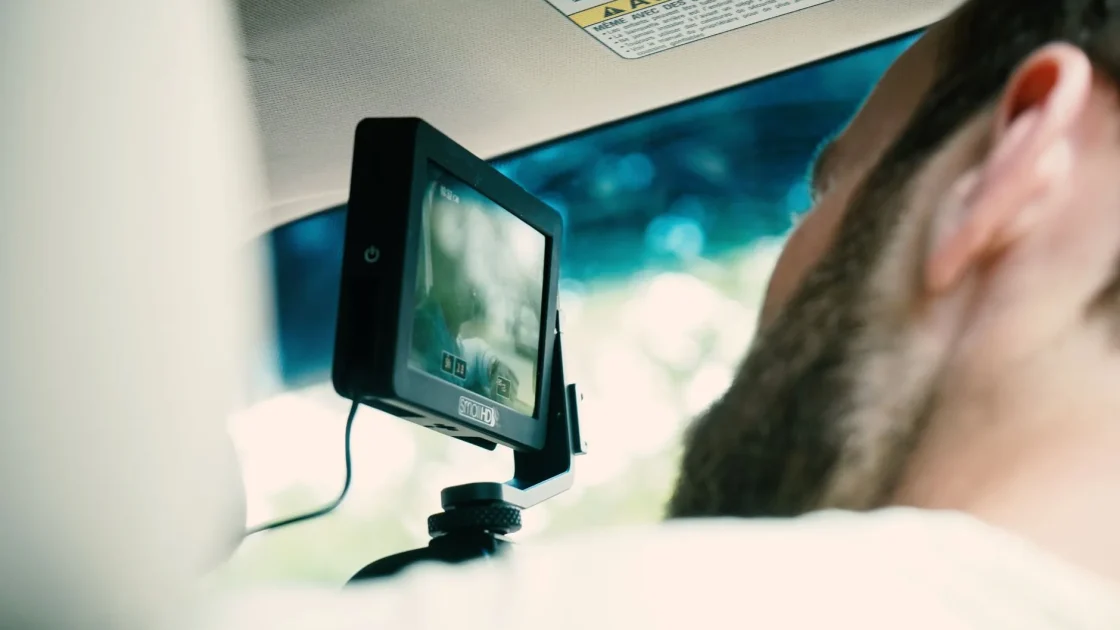
The realistic add-ons fall into a short, useful list. These are the features that do not need deep access to your car’s steering and braking to work.
- A dash cam with built-in forward collision and lane departure warnings, camera-based and warning-only.
- Aftermarket blind spot monitoring kits that mount radar sensors near the rear bumper and light up your mirrors.
- Front and rear parking sensors, retrofitted into or onto the bumpers with a beeping display.
- A backup camera, one of the easier and more worthwhile upgrades on an older car.
- Tire pressure monitoring and basic proximity alerts, depending on the kit.
Notice the pattern: these systems watch and warn, but they do not take over the driving. That is the key to what retrofits well. A warning-only system can be added because it does not need to reach into the car’s controls. To understand why that matters, it helps to know how modern driver-assist systems work and how tightly the factory versions are woven into the car.
Tip
If your older car lacks a backup camera, start there. It is one of the cheapest, most useful, and easiest retrofits, and it addresses the blind zone directly behind you that causes real low-speed accidents.
What you basically cannot retrofit
Here is where I have to be the friend who tells you the hard truth. The headline features, the ones that actively drive, are extremely difficult to add to an older car in any safe, reliable way.
Automatic emergency braking needs to command your brakes electronically, which means tapping into the braking system and having the car trust an aftermarket brain to slam the pedal. Lane centering needs to steer the car, which means controlling the electric power steering. Adaptive cruise needs radar tied into the throttle and brakes. These are so integrated at the factory that recreating them aftermarket is either impossible or wildly expensive and risky.
I would flatly steer you away from any product claiming to add true automatic braking to a car that never had it. The liability and safety risk of a system commanding your brakes without factory-grade integration is not worth it. If you want those active features, the honest path is a different car, not a bolt-on. The look at what year cars got ADAS shows how far back affordable factory systems go, which is often further than people expect.
Watch out
Be very skeptical of any cheap kit promising to add automatic braking or full lane keeping to an old car. A system that grabs your brakes or steering without proper integration can cause the exact accident it claims to prevent.
How much does the realistic stuff cost?
Prices vary widely by kit and installation, but here is the honest shape of it from what I have seen.
A quality dash cam with collision and lane warnings runs modestly, often a couple hundred dollars, and many people install it themselves. Aftermarket blind spot kits with real radar sensors cost more once you factor professional installation, since the sensors have to be mounted and aimed correctly. Parking sensors and backup cameras sit in the affordable middle, especially if you are comfortable running wiring.
The cost climbs fast the moment a feature needs to interact with the car’s systems, and that is usually the point where I tell people to stop and reconsider. If you are stacking up several add-ons, add the totals honestly and compare them against the cost of stepping into a newer used car. Sometimes the math clearly favors the car swap. The guide on ADAS features to check on a used car helps you judge what a newer car already brings for the money.
The catch nobody mentions: aiming and calibration
This is the part I care about most, because I saw it go wrong constantly. An aftermarket safety sensor is only as good as its installation, and a poorly aimed sensor is worse than none at all.
A blind spot radar mounted a few degrees off will warn you about cars that are not there, or worse, stay silent about ones that are. A forward warning camera pointed wrong will misjudge distances. Unlike factory systems that get precisely calibrated on target boards, many aftermarket kits rely on careful physical installation, and a sloppy job produces false alerts that teach you to ignore the system entirely.
If you go aftermarket, pay for professional installation from someone who understands sensor aiming. A cheap kit installed carelessly gives you a false sense of safety, which is the most dangerous outcome of all. The principle is the same reason factory sensors need proper ADAS calibration: a sensor that is even slightly off tells you lies.
Simpler upgrades that punch above their weight
Not every safety improvement on an older car has to be electronic. Some of the best returns come from basics that people overlook while chasing gadgets.
Good tires transform braking and grip more than any warning system. Fresh wiper blades and clean, properly aimed headlights improve the one sensor that matters most, your own eyes. A clean windshield and well-adjusted mirrors cut your blind zones for free. These are unglamorous, but they prevent accidents that no aftermarket beeper would have caught.
I am not saying skip the tech. I am saying that on an older car, a set of quality tires and clear headlights often buys more real safety per dollar than a mid-tier sensor kit. Spend on the foundation first, then add the electronics that genuinely fit.
The honest bottom-line decision
So, can you add ADAS to an older car? You can add the watch-and-warn features, and some of them are genuinely worth it, especially a backup camera and a good warning dash cam. You cannot faithfully recreate the active, driving features, and you should be wary of anything that claims you can.
My real advice, after all those installs and calibrations: decide what you actually want. If it is parking help and blind spot alerts, retrofit them and enjoy them. If it is automatic braking and lane centering, put that money toward a newer used car that has them from the factory, properly integrated and calibrated. The National Highway Traffic Safety Administration keeps a clear overview of these technologies that is worth reading before you spend a dime: NHTSA driver assistance technologies. And if you are still weighing whether any of it is worth the outlay, the take on whether driver-assist systems are worth it will help you decide where your money does the most good.
Frequently asked questions
Not in any safe, reliable aftermarket way. Automatic braking needs to command your car's brakes electronically, which requires factory-grade integration with the braking system. Kits that claim to add it to a car that never had it are risky, because a system grabbing your brakes without proper integration can cause the crash it promises to prevent. For real automatic braking, a newer car is the honest path.
The watch-and-warn features retrofit well because they do not need to control the car. A dash cam with forward collision and lane departure warnings, aftermarket blind spot monitoring, front and rear parking sensors, and a backup camera are all realistic add-ons. They alert you rather than take over, which is why they can be installed without deep access to your steering and brakes.
They need careful aiming, and often calibration, or they warn you wrongly. A blind spot radar mounted even a few degrees off can miss real cars or alert you to ones that are not there. Unlike factory systems calibrated on target boards, many kits rely on precise physical installation, so pay a professional who understands sensor aiming rather than risking false alerts that train you to ignore the system.
It depends on how much you want. A single add-on like a backup camera is cheap and worthwhile. But once you stack several kits with professional installation, the total can rival the price gap to a newer used car that already has factory ADAS. If you want the active features like automatic braking or lane centering, a newer car is almost always the better value.
Keep reading
Related guides
Do You Still Need to Pay Attention?
Driver-assist systems help, but they were never built to drive for you, and the fine print explains exactly why your eyes still belong on the road.
Read guide
How ADAS Affects Car Resale Value
Driver-assist tech can help or hurt what your car is worth later, and the difference often comes down to paperwork.
Read guide
ADAS Levels 0 to 5, Explained Simply
The six levels of driving automation, decoded in plain English with a table, by a former calibration tech.
Read guide