What Happens If You Skip Calibration
A former calibration tech on why an uncalibrated sensor is not neutral, it is actively wrong.


Key takeaways
- A skipped calibration leaves a safety sensor aiming at the wrong spot, which is more dangerous than the system being off.
- Automatic braking and lane assist can fire late, fire wrongly, or miss a hazard entirely when a sensor is misaimed.
- A car can drive normally for weeks with an uncalibrated sensor, so the absence of warning lights is not proof it is fine.
- Skipping calibration after a claim can create liability and insurance problems if the system fails in a crash.
Calibration costs money and takes time, so the temptation to skip it is real. The car drives fine without it. No light is flashing. The windshield is in, the bumper looks new, and everything feels normal. Why pay a few hundred dollars to aim a sensor that seems to be working?
I understand the logic, and I want to take it apart, because it rests on a dangerous assumption. The assumption is that an uncalibrated sensor is neutral, that skipping calibration just means the system is a little less accurate. That is not what happens. A sensor that has not been calibrated after being disturbed is not neutral. It is confidently wrong, measuring the world from the wrong position and feeding that bad data straight into your brakes and steering.
I spent years re-aiming these sensors, and I have seen exactly what an uncalibrated system does. Let me walk through what actually goes wrong when you skip it, why the lack of a warning light fools people, and why a misaimed safety system is worse than one that is simply switched off.
An uncalibrated sensor is not off, it is wrong
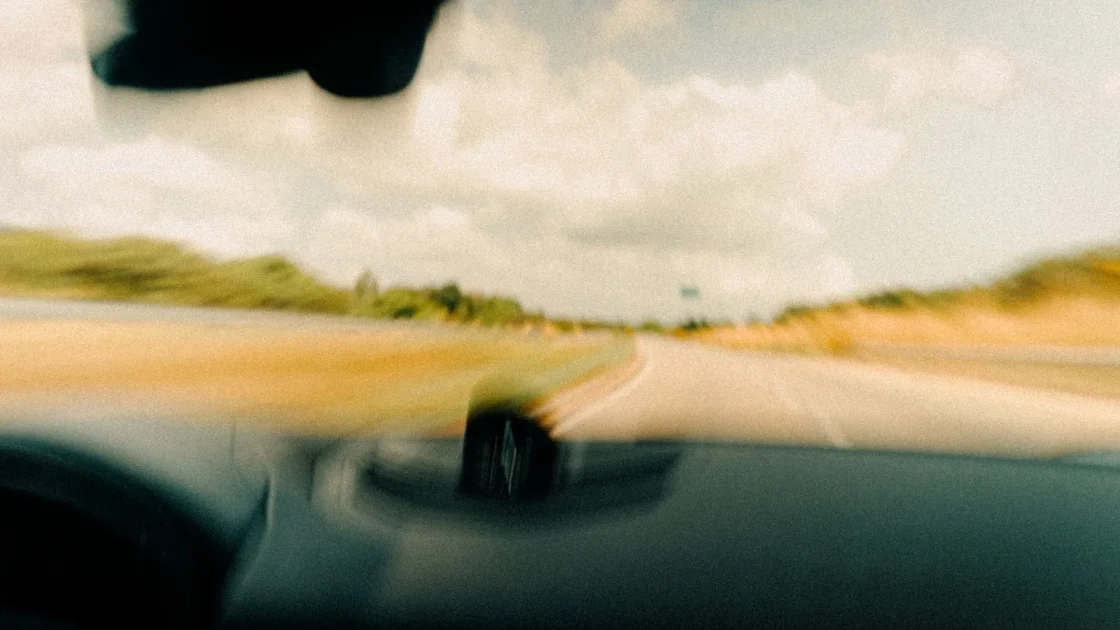
This is the core of it, and it is the part people miss. There is a big difference between a system that knows it is not working and a system that thinks it is working but is aimed wrong.
When a sensor is truly offline, the car usually knows. It throws a warning light, disables the feature, and you drive without it, aware that the safety net is gone. That is honest. You compensate because you know.
An uncalibrated sensor is worse because it often stays active. The forward camera or radar still runs, still feeds the automatic braking, still tries to steer you in your lane, but it is measuring from a position that shifted when the windshield came out or the bumper came off. It believes straight ahead is a degree to the left. It acts on that belief. The pillar guide to ADAS calibration lays out how exact the aim has to be, and a degree of error is enough to matter.
The real danger
A switched-off system is a known gap you drive around. A misaimed system is a hidden fault that acts with confidence on wrong information. The second one is far more dangerous, because it can brake when it should not or fail to brake when it should.
What a misaimed sensor actually does
Here is what that error looks like out on the road, in the systems you rely on.
Automatic emergency braking depends on the forward radar and camera judging the distance and closing speed to the car ahead. Aim that sensor wrong and it can misjudge where the car ahead actually is. It might brake hard for a vehicle in the next lane, or worse, fail to see the car directly in front until too late. The guide on how automatic emergency braking works explains just how much it leans on accurate aim.
Lane keeping and lane centering steer the car based on where the camera thinks the lane lines are. A miscalibrated camera can nudge you toward the edge of your lane instead of the center, fighting you subtly the whole drive. Adaptive cruise can hold the wrong following distance, either tailgating or braking for phantoms. Every one of these is the system doing exactly what it was told, based on a view of the world that is off.
Why no warning light fools you
The most dangerous thing about skipping calibration is that the car often does not complain.
A sensor that is physically connected and powered but aimed wrong frequently passes its own self-checks. The electronics are fine. The wiring is fine. The sensor reports that it is present and functioning, so no light comes on. The only thing wrong is the direction it points, and the car has no way to know its own aim drifted unless it is formally recalibrated.
That is why so many people drive for weeks after a windshield or bumper job convinced everything is fine. The absence of a warning light feels like proof. It is not. The overview of signs your ADAS needs recalibration covers the subtler symptoms, but the truth is many uncalibrated systems show no obvious sign at all until the moment they are needed.
Do not trust the dash alone
No warning light does not mean no problem. An uncalibrated sensor can pass every electronic self-check while aiming at the wrong spot. Calibration is the only way to confirm the aim, and the dash cannot tell you the aim is right.
The events that make skipping a real risk
Not every situation is equal. Calibration matters most after the events that physically move a sensor.
- A windshield replacement, which almost always shifts the forward camera and demands recalibration.
- A bumper repair or replacement, which disturbs the front radar and parking sensors.
- A suspension change or new tires that alter the car’s ride height and centerline.
- An alignment, which changes the reference the sensors depend on.
- Any collision, even a minor one, that could have jolted a sensor bracket.
New tires and suspension work catch people off guard, because it seems unrelated to cameras. But the sensors reference the car’s geometry, and changing ride height changes that reference. The guide on calibration after new tires or suspension explains the connection.
The liability nobody thinks about
There is a consequence past the safety risk, and it is worth knowing. Skipping calibration after a documented repair can create a paper trail problem.
If your car was in a collision, the repair was on record, and calibration was recommended but skipped, and then an ADAS-related incident happens, questions get asked. Was the safety system working? Was the manufacturer procedure followed? A skipped calibration on a system that failed can complicate an insurance claim or shift liability in ways you do not want. This is part of why insurers increasingly expect calibration on claims, as the overview of insurance and ADAS calibration costs describes.
For the independent case on why these systems reduce crashes enough to keep working, the Insurance Institute for Highway Safety publishes solid research: IIHS advanced driver assistance.
The math that should settle it
Weigh it honestly. On one side, a calibration costs a few hundred dollars and an hour or two of your time. On the other, a misaimed sensor that brakes wrong or misses a hazard at highway speed. That is not a close call.
The whole reason you have automatic braking and lane assist is for the one moment you need them, the split second you did not see the stopped car or drifted while reaching for the phone. An uncalibrated sensor is at its most dangerous in exactly that moment, because it acts, and it acts on a wrong picture of the road. Do not save two hundred dollars by leaving a safety system pointed at the wrong spot. Calibrate it, confirm it with a scan, and drive knowing the system is actually looking where you think it is.
Frequently asked questions
The car is mechanically safe to drive, but the driver-assist systems may be actively unreliable, which is the real concern. A sensor disturbed by glass or collision work can stay powered and aimed wrong, feeding bad data to automatic braking and lane assist. That is more dangerous than the system being off, because it can brake wrongly or miss a hazard while appearing to work normally.
A sensor that is connected and powered but aimed wrong usually passes its own self-checks, so no light appears even though the aim is off. The electronics report as present and functioning, and the car has no way to know its own aim drifted unless it is formally recalibrated. The absence of a warning light is not proof the calibration is correct.
A misaimed forward sensor can cause automatic braking to fire for cars in the next lane, brake late, or miss the vehicle directly ahead. Lane keeping can nudge you toward the lane edge instead of the center, and adaptive cruise can hold the wrong distance. Each system acts confidently on a view of the road that is off by the amount the sensor moved.
It can. If a repair was documented, calibration was recommended but skipped, and an ADAS-related incident later occurs, questions arise about whether the safety system was working and whether the manufacturer procedure was followed. A skipped calibration on a system that failed can complicate a claim or shift liability, which is part of why insurers increasingly expect calibration on covered repairs.
Keep reading
Related guides
Static vs Dynamic ADAS Calibration
Static calibration uses targets in a bay, dynamic uses a road drive, and your car's design decides which one it needs.
Read guide
Why a Windshield Swap Needs Recalibration
Your forward camera rides on the windshield, so swapping the glass means the camera has to be recalibrated before you drive away.
Read guide
ADAS Calibration: The Complete Guide
A former calibration technician maps out when ADAS calibration is needed, how it is done, and what a proper job should cost you.
Read guide