Static vs Dynamic ADAS Calibration
Static calibration uses targets in a bay, dynamic uses a road drive, and your car's design decides which one it needs.

Key takeaways
- Static calibration aims sensors using precise target boards in a controlled bay with no driving.
- Dynamic calibration relearns sensor aim on a measured drive using real lane lines and traffic.
- The right method depends on your car and sensor, and many vehicles need both in sequence.
- Using a road drive on a car that needs targets is a shortcut that leaves the aim wrong.
People book a calibration expecting one thing and get another. Some picture a quick spin around the block. Others picture a car parked in front of strange cardboard panels while a laser blinks. Both pictures are right, because there are two different methods, and which one your car needs is not up to the shop. It is baked into how the manufacturer designed the sensors.
The two methods are static and dynamic calibration. They reach the same goal, a sensor aimed exactly where it should be, by opposite routes. One does it standing still with targets, the other does it moving on real roads. Knowing which is which helps you read your quote, plan your day, and spot a shop that is cutting corners.
I have done thousands of both. This is the side-by-side I give people so they walk into the appointment knowing what should happen and why.
The short version of each method

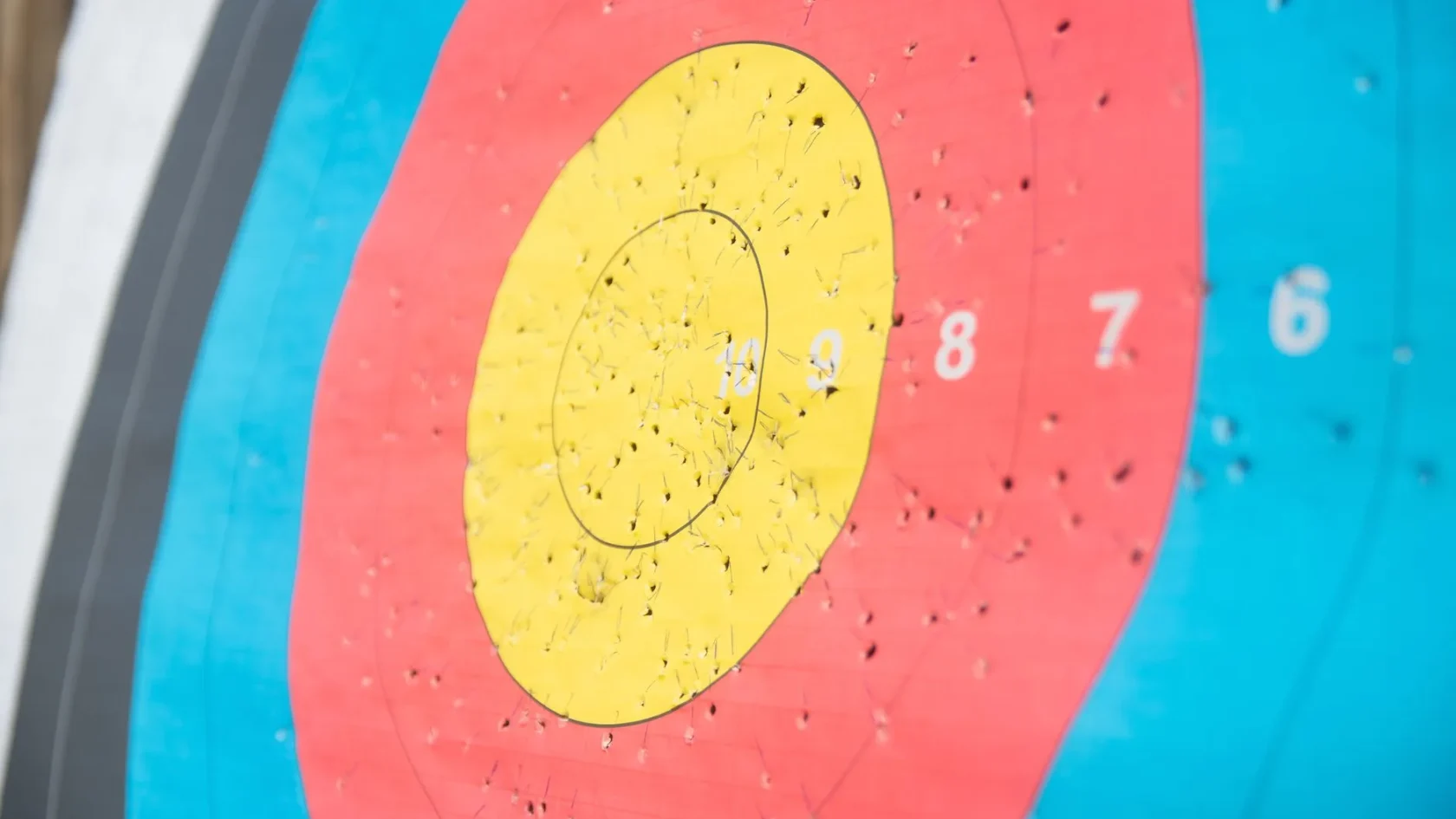
Static calibration happens with the car parked and switched into a learning mode. The technician sets up printed target boards, patterns the camera or radar is trained to recognize, at exact measured distances and heights in front of the car. The sensor studies those targets and locks in its aim. It all happens in a bay, no driving involved. The boards themselves are explained in what a calibration target board does.
Dynamic calibration happens on the road. A scan tool puts the car into a learning mode, then the technician drives it at a steady speed on clearly marked roads while the camera relearns from actual lane lines and traffic. The car calibrates itself from the real world instead of from targets in a room.
Both rely on the same idea, giving the sensor a known reference so it can correct its aim. Static uses a controlled reference indoors. Dynamic uses the real road as the reference. Neither is a shortcut for the other.
The static side is fussier than it looks. The floor has to be genuinely level, the lighting controlled, and the target boards positioned to the centimeter at the exact distance and height the manufacturer specifies. A tape measure off by an inch or a board tilted a couple of degrees produces a calibration that reads as passed but aims the sensor wrong. That precision is the whole point, and it is why static work belongs in a proper bay rather than a corner of a parking lot.
The dynamic side has its own demands. The car often has to hold a steady speed for a stretch, sometimes several miles, on roads with clear lane markings and a reasonable amount of surrounding traffic for the camera to study. Stop-and-go city driving usually will not cut it. A technician who knows the local roads that satisfy the procedure gets it done in one pass instead of circling back for a second attempt.
Side by side
Here is how the two stack up on the things that actually affect your appointment.
| Factor | Static calibration | Dynamic calibration |
|---|---|---|
| Where it happens | Indoor bay, level floor | On public roads |
| What it uses | Printed target boards | Real lane lines and traffic |
| Space and setup | Large, controlled area | Well-marked test route |
| Weather | Does not matter | Needs clear, dry roads |
| Typical time | 1 to 2 hours | 30 to 60 minutes driving |
| Main weak point | Needs precise measurement and floor space | Fails with bad weather or worn paint |
Easy way to keep them straight
Static is stationary, targets in a bay. Dynamic is driving, learning from the road. If your quote mentions target boards, that is the static half. If it mentions a road test as part of the procedure, that is the dynamic half.
Which one does your car need
This is the question everyone asks, and the answer is that it depends on the make, model, and which sensor is being calibrated. The manufacturer sets the procedure, and the shop follows it.
As a rough pattern, many European brands lean heavily on static calibration with targets, while a number of Japanese and Korean brands use dynamic road procedures for their front cameras. But there is no clean rule, and the same car can need static for one sensor and dynamic for another. Plenty of vehicles require a static setup first and then a dynamic drive to confirm it, which is why some appointments include both.
What matters is that the shop uses the correct method for your specific car, taken from the factory procedure, not whichever one is easier for them. The overview in the complete guide to ADAS calibration puts this in the context of the whole process, and the questions to ask before ADAS calibration include exactly how to confirm they are doing the right one.
Why the difference matters to you
You might wonder why you should care about the method as long as the light goes off. Two practical reasons.
First, planning. A dynamic calibration can be derailed by snow, heavy rain, or faded lane markings, so booking one during a storm is asking for a repeat visit. A static calibration does not care about the weather but does need a shop with the floor space and targets to do it right. Knowing which you need helps you pick the right shop and the right day.
Second, cost and honesty. Some shops charge static and dynamic separately, and a job that legitimately needs both will cost more than one that needs a single drive. The breakdown is in how much ADAS calibration costs. It also tells you something about a shop if they claim a target-based car can be finished with a quick drive around the block. That is a shortcut, and shortcuts leave sensors aimed wrong.
Watch out
If your car needs a static calibration and a shop offers only a road drive because they lack the targets, walk away. The methods are not interchangeable. Using the wrong one can hand you a green check on a sensor that is still aimed off.
For a deeper look at the systems that depend on getting this right, the Insurance Institute for Highway Safety keeps solid research on how much these features cut crashes when they work as intended: IIHS on advanced driver assistance.
So the two methods are not competitors, and neither is better in the abstract. Static and dynamic are simply the right tools for different cars and different sensors. The job you want is the one that matches your vehicle’s factory procedure, done with the correct targets or the correct drive, and finished with a scan report that proves the sensor passed. Ask which method your car needs, make sure the shop can actually do it, and you have already avoided the most common way these jobs go wrong.
Frequently asked questions
Neither is better in general, because they suit different cars and sensors. The correct method is whichever one the manufacturer specifies for your vehicle and the sensor being calibrated. What matters is that the shop uses the right procedure rather than the one that is most convenient for them, and confirms the result with a scan.
No. If your car requires a static calibration with target boards, a road drive cannot substitute for it, and vice versa. They give the sensor different kinds of reference, and swapping them can produce a false pass on a sensor that is still aimed incorrectly. A shop that offers only a drive because it lacks targets is not equipped for that car.
Many vehicles are designed so that the sensor is first set up statically against targets and then confirmed dynamically on a road drive. That two-step procedure is normal and comes straight from the factory instructions. It usually means a longer appointment and can mean a higher bill if the shop charges the steps separately.
Yes. A dynamic calibration relies on the camera reading clear lane lines and traffic, so snow, heavy rain, fog, or badly worn road paint can prevent it from completing. If the drive fails, you may need to return on a better day. Static calibration, done indoors, is unaffected by weather, which is one of its advantages.
Keep reading
Related guides
Calibration After Windshield Chip Repair
Whether a resin chip repair touches your forward camera, and when calibration is actually required.
Read guide
ADAS Calibration for Lifted Trucks
What a suspension lift does to your truck's cameras and radar, and how to keep the safety systems honest.
Read guide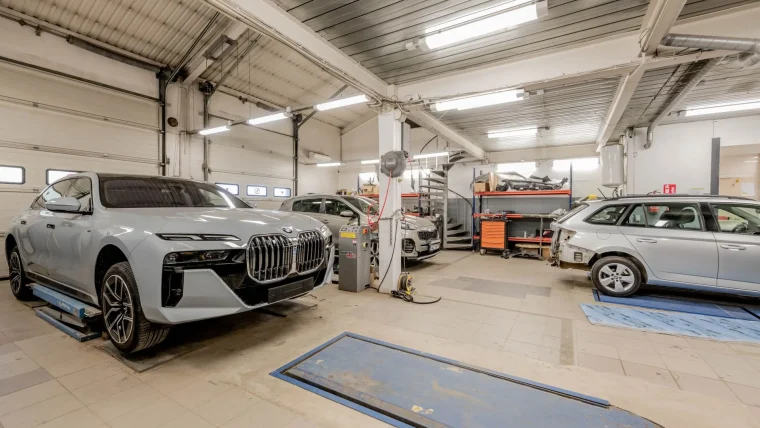
ADAS Calibration: The Complete Guide
A former calibration technician maps out when ADAS calibration is needed, how it is done, and what a proper job should cost you.
Read guide