What a Calibration Target Board Does
The patterned board in the calibration bay is a precision instrument, and its placement is where the accuracy lives.

Key takeaways
- A calibration target is a known reference pattern the car's camera measures against to correct its own aim.
- The high-contrast pattern gives the camera sharp features to lock onto, so a damaged board ruins the result.
- Placement to within millimeters and fractions of a degree is where a calibration's accuracy actually comes from.
- Static calibrations depend on the board in a controlled bay; dynamic ones may not use a physical target at all.
Walk into a calibration bay and the first thing you notice is the board. It stands on a frame in front of the car, printed with a pattern that looks like a cross between a checkerboard and an eye chart. Drivers see it and assume it is a screen the car looks at, or some kind of test image. It is neither. That board is a precision reference, and it is the quiet hero of a static ADAS calibration.
I set up thousands of these, and the part that surprised customers most was how much rode on getting the board placed exactly right. The pattern gets the attention, but the placement is where the accuracy actually lives. Let me explain what the target board is, why it looks the way it does, and why a shop that is fussy about a few millimeters is doing you a favor.
What the target board actually is
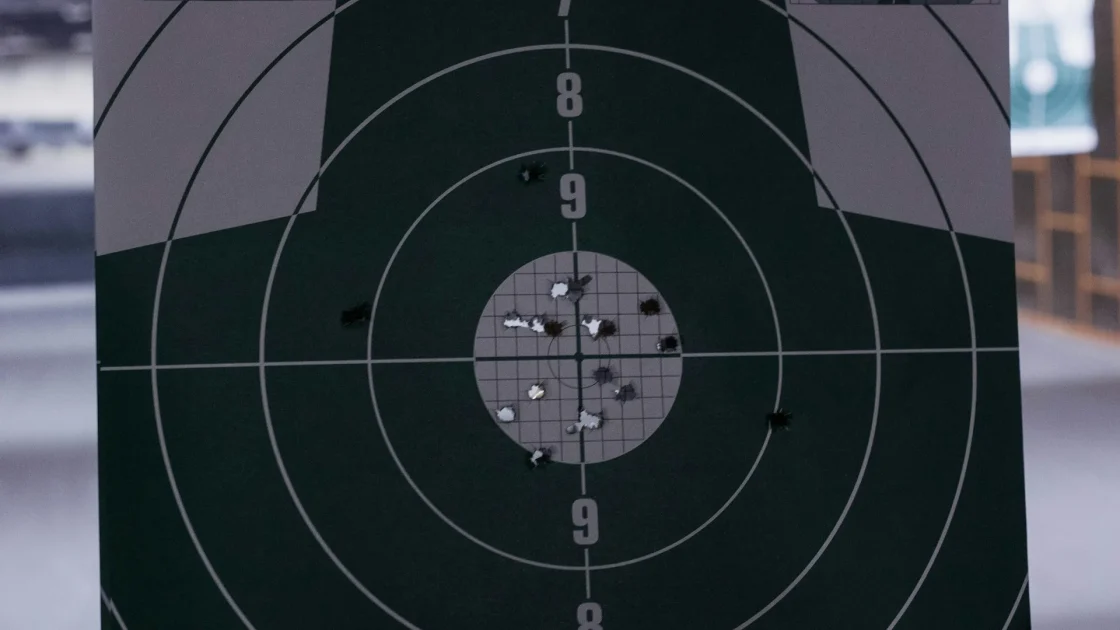
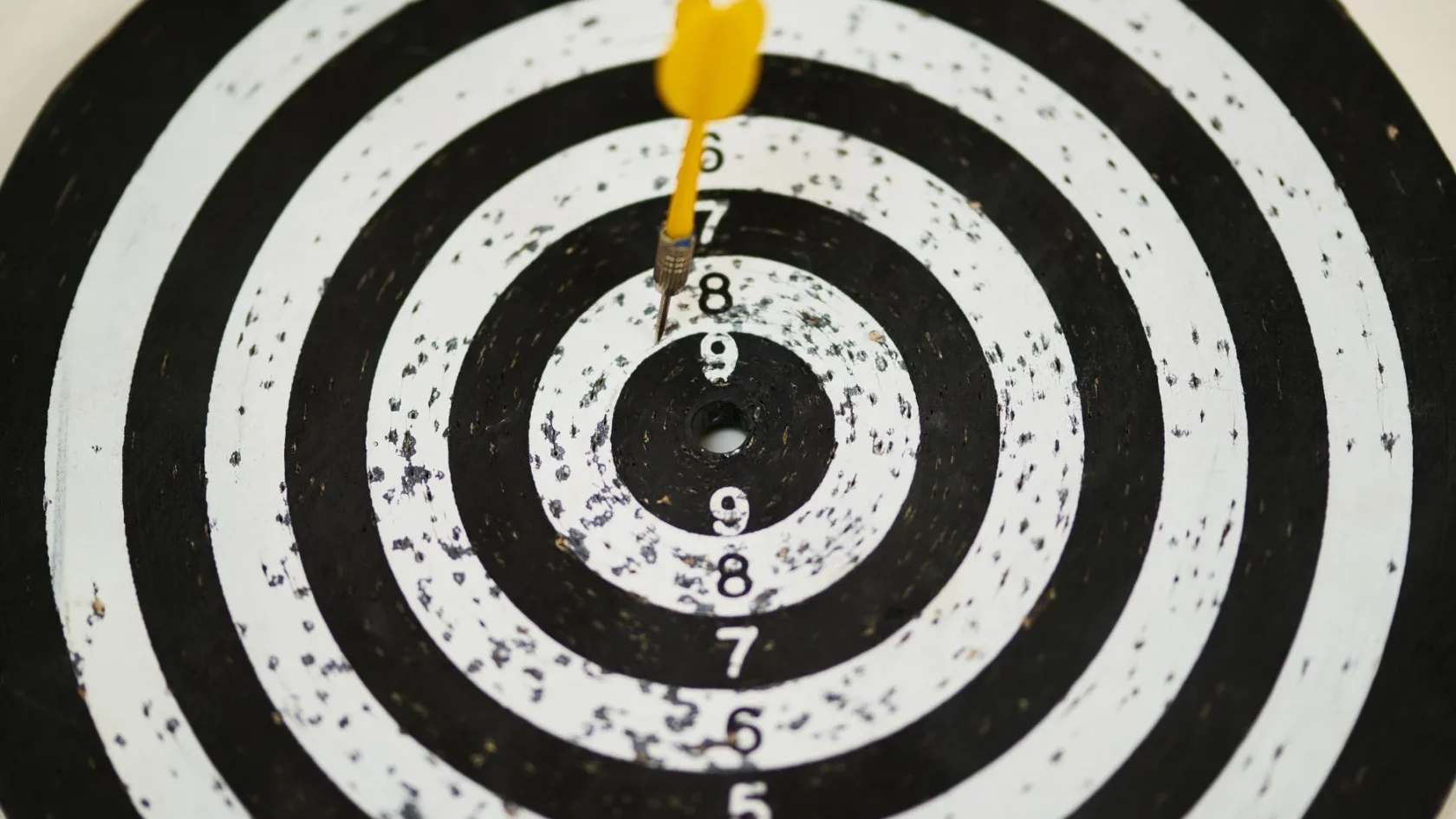
A calibration target is a known reference. The board carries a specific pattern, printed at exact sizes and spacing, that the car’s forward camera can measure against. Because the car knows precisely what that pattern should look like, and precisely where the board is placed, it can compare what its camera sees to what a perfectly aimed camera should see.
The difference between those two views is the camera’s aiming error. The calibration process measures that error and corrects for it in software, so the camera reports the road accurately from then on. That is the whole idea in one sentence: the board gives the camera a truth to check itself against.
It helps to picture where that camera sits while it does this. It lives up behind the rearview mirror, looking forward through the windshield, which I cover in where the forward ADAS camera lives. The target board sits squarely in that camera’s view during calibration.
Why the pattern looks the way it does
The checkerboard-and-symbols look is not decoration. High-contrast shapes with sharp edges give the camera clean, unambiguous features to lock onto. A camera measures corners and edges far more precisely than soft gradients, so the pattern is built from exactly the kind of crisp geometry a lens can pin down to fine tolerances.
Different manufacturers use different designs. Some are classic checkerboards, some are arrangements of geometric symbols, some combine both. Toyota, Honda, VW, and Subaru each have their own target artwork, and a technician has to use the correct board for the car in front of them. The wrong pattern does not calibrate the car, it confuses it.
Watch out
A creased, faded, or dirty target board is a broken instrument. If the pattern is not crisp, the camera cannot read it accurately, and the calibration inherits that error. Reputable shops retire damaged boards and store them flat for a reason. A cheap or worn target is not a place to save money.
Placement is where the accuracy lives
Here is the part people underestimate. The pattern only works if the car knows exactly where the board sits in space. The manufacturer specifies the target’s distance from the car, its height, its centering on the vehicle’s centerline, and its angle, often to within millimeters and fractions of a degree.
That is why a proper setup involves lasers, measured floor markings, and careful alignment to the car’s thrust line rather than just eyeballing it. The technician is not being fussy for show. If the board sits a centimeter too far left, or the floor slopes slightly, the camera calibrates to a position it only thinks is correct, and it bakes that error into every reading afterward.
This is also why the surface matters so much. Level ground is a requirement, not a nicety, and it is a big reason static calibration is harder to do well outside a controlled bay. I get into that trade-off in static vs dynamic ADAS calibration and in the practical question of whether mobile calibration is reliable.
How the camera and the board work together
During a static calibration the car is put into a service mode with a scan tool, the correct board is placed at its specified position, and the camera studies the pattern. The software walks through its routine, reads the target, calculates the aiming offset, and writes the correction.
When it finishes, the tool reports a pass and, on a good job, prints a before-and-after record. The board did not move the camera or adjust any hardware. It simply gave the camera a known scene so the camera could re-learn where straight ahead really is. The forward camera is one of several sensors a modern car relies on, and the full cast is laid out in the cameras and radar behind ADAS.
What happens if the board is wrong or damaged
It is worth spelling out the failure modes, because they explain why shops treat these boards with such care. A board that is faded loses the sharp contrast the camera needs, so the camera reads the pattern imprecisely and calibrates to a soft, uncertain reference. A creased or warped board distorts the geometry, so the spacing the camera measures no longer matches the spacing the software expects.
The genuinely dangerous case is the one that still passes. If the board is the right pattern but placed a little off, or the floor slopes slightly, the software can complete its routine and report success while the camera quietly learns a wrong idea of straight ahead. Nothing on the screen warns you. That is why placement and board condition are not details, they are the calibration.
The same logic is why lighting matters in the bay. Even a perfect board is hard to read under harsh, shifting, or dappled light, so a controlled environment is part of getting an honest measurement.
Not every car uses a target the same way
Static calibration with a physical board is one method, not the only one. Some cars calibrate their forward camera dynamically, by driving marked roads while the system learns, and those may not need a target board at all. Many cars use a mix, a static board for one sensor and a dynamic drive for another.
So the presence or absence of a board tells you which method your car uses, not whether the calibration is being done properly. Both approaches are legitimate when they follow the manufacturer’s procedure. What stays constant is the need for a precise reference, whether that reference is a board on a stand or a well-marked road at a set speed.
Tip
If you ever watch your calibration, notice how much time the technician spends measuring and positioning before the software even runs. That setup is the calibration. The scan tool is just the last few minutes of a job that is mostly careful placement.
Why this matters for your calibration
Understanding the target board changes how you judge a calibration. A good result is not the scan tool saying pass. It is the scan tool saying pass after the correct, undamaged board was placed with precision on level ground. Everything upstream of that pass is where the quality is decided.
That is worth knowing whenever you need a calibration, whether after a windshield swap or a bumper repair, and it gives you a smart thing to ask about. The questions I would raise are collected in questions to ask before ADAS calibration. For a plain-language overview of why the underlying technologies exist at all, the National Highway Traffic Safety Administration keeps a useful primer.
The board looks simple, almost low-tech, next to a car full of computers. That simplicity is the point. A stable, precisely printed, precisely placed reference is exactly what a camera needs to tell the truth about the road, and getting that reference right is the difference between a calibration that protects you and one that only looks finished.
Frequently asked questions
It gives your car's forward camera a known reference to aim against. The board carries a precise pattern at known sizes and spacing, so the camera can compare what it sees to what a perfect view should look like and calculate any error in its aim. That measurement is the calibration.
The high-contrast shapes and repeating geometry give the camera sharp, unambiguous features to lock onto and measure precisely. Different brands use different designs, but all are built to be read to fine tolerances. A faded or creased pattern defeats that, which is why damaged boards are retired.
No. Cars that use static calibration rely on the board in a controlled bay. Cars that calibrate dynamically learn by driving marked roads and may not need a physical target, and many cars use a combination of both methods depending on the sensor.
The car must know exactly where the target sits in space to interpret the camera's view. Distance, height, centering, and angle are specified to within millimeters and fractions of a degree. If the board is off, the camera calibrates to a position it only thinks is correct, baking an error into every reading.
Keep reading
Related guides
Ride Height and ADAS Calibration
Why the height your car sits at is the hidden reference behind every camera and radar calibration.
Read guide
How Long Does ADAS Calibration Take?
Real timeframes from a former calibration tech, from a quick radar aim to a full static-plus-dynamic job.
Read guide
ADAS Calibration After a Bumper Repair
A former calibration tech explains why front and rear radar almost always need re-aiming after bumper work.
Read guide