Mobile ADAS Calibration: Is It Reliable?
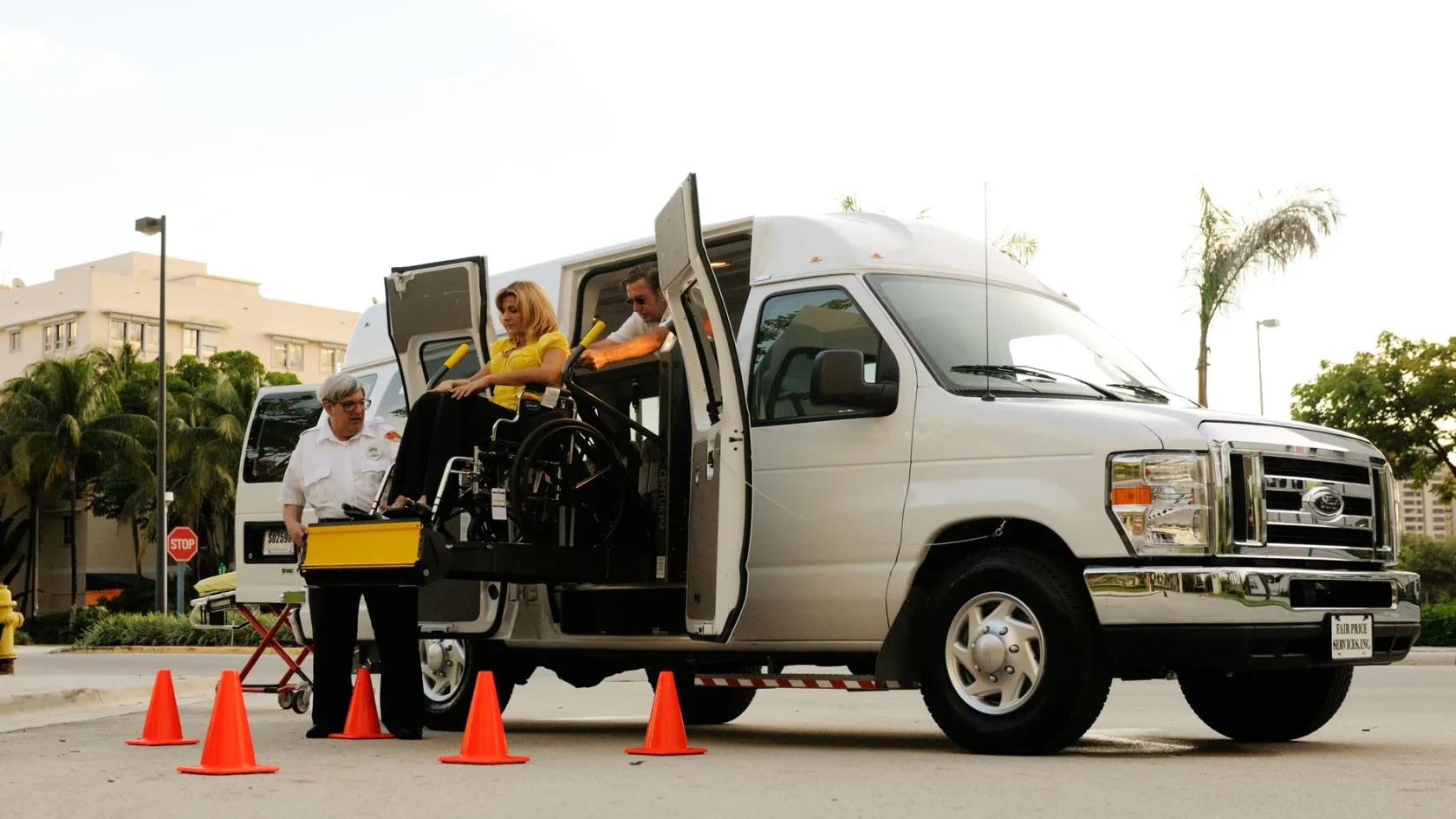
When a technician in your driveway is every bit as accurate as a shop, and when the physics say otherwise.

Key takeaways
- Mobile ADAS calibration is reliable when the calibration type and the location conditions actually match.
- Dynamic calibration travels well; static calibration needs level ground, clearance, and controlled light.
- A static calibration on a sloped driveway can pass on screen while leaving the sensor aimed wrong.
- Vet a mobile service on space requirements and insist on a printed report showing it passed.
Mobile ADAS calibration sounds almost too convenient. A technician drives to your house, sets up in the driveway, and aims your car’s cameras and radar without you ever sitting in a waiting room. The obvious question is the one drivers ask me most: can a calibration done in a driveway really be as good as one done in a proper bay?
The honest answer is that it depends, and the thing it depends on is not the technician’s skill or the tools in the van. It is physics and conditions. Let me answer the questions I get asked most, in the order people usually ask them, so you can decide whether mobile is right for your car and your situation.
Is mobile ADAS calibration reliable at all?
Yes, it can be genuinely reliable, and I want to say that plainly before the caveats. The equipment a good mobile technician carries is the same category of scan tool and target gear a shop uses. The procedure written by the manufacturer is the same procedure whether it happens in a bay or a driveway.
What changes is the environment. A calibration is only as accurate as the conditions it is done in, and a driveway can either meet the requirements or fail them depending on the car and the day. So mobile is not automatically worse. It is conditional, and knowing the condition is the whole game.
What is the catch with static versus dynamic calibration?
This is the fork in the road, so it is worth understanding. There are two broad ways to calibrate, and they demand very different things from the location.
Dynamic calibration is done by driving the car on marked roads at set speeds while the system learns and corrects itself. It travels beautifully. A mobile technician can plug in, drive a prescribed route, and complete it anywhere the roads cooperate.
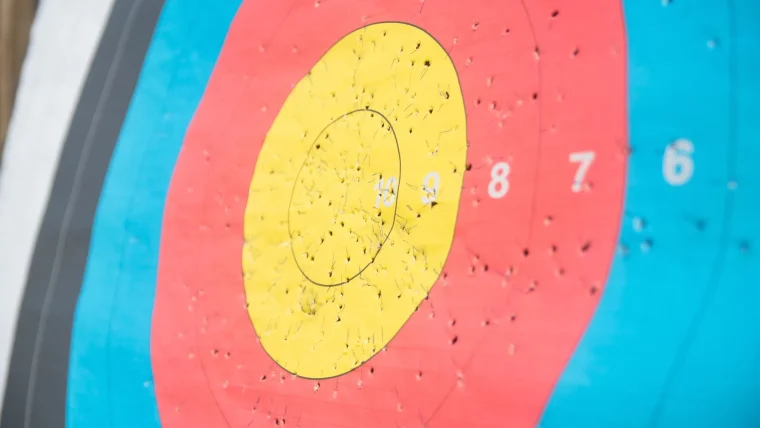
Static calibration uses a physical target board set at a precise distance, height, and angle in front of the car. That board and that geometry need level ground, room to place the target correctly, and controlled lighting. A driveway that provides those things is fine. One that does not is a problem. I break the two methods down fully in static vs dynamic ADAS calibration, and the target itself gets its own explainer in what a calibration target board does.
Note
Many cars need both types for different sensors, and some need one or the other depending on the model year. Ask the mobile service which method your specific car requires before you book. That single question tells you most of what you need to know about whether your driveway will work.
What can actually go wrong in a driveway?
For dynamic calibrations, very little, as long as the roads nearby are suitable. For static calibrations, three things can quietly ruin the result, and the scary part is that they can ruin it without failing on screen.
The first is slope. A driveway that tilts, even slightly, throws off the target geometry the camera measures against. The second is space. A cramped driveway or a shallow garage may not let the target sit at the correct distance from the car. The third is light. Harsh, uneven, or shifting sunlight can confuse a camera trying to read a target.
Watch out
A static calibration done on a sloped or cramped driveway can show a pass on the scan tool while leaving the sensor aimed wrong. The tool confirms the software finished the routine, not that the physical setup was correct. That is the real risk of mobile done in the wrong spot, and it is invisible unless you know to ask about conditions.
What actually happens when the technician arrives
Knowing the sequence helps you judge whether a mobile job is being done right. A good technician does not simply plug in and click start. They walk your space first, checking for slope and clearance, and often put a level on the ground where the car and target will sit.
Then the car goes into a service mode with a scan tool, tire pressures and ride height get a look because both affect sensor aim, and for a static job the target is measured into its exact position. Only after all of that does the software routine run. If your car needs a dynamic calibration instead, the technician drives a prescribed route at set speeds while the system learns.
The whole visit commonly takes anywhere from thirty minutes to a couple of hours depending on how many sensors are involved. If someone shows up, plugs in, and finishes a static calibration in ten minutes without measuring the target, that is a reason to ask questions.
Is mobile calibration cheaper or more expensive?
It varies, and it is not always the bargain people expect. Some mobile services price close to a shop and fold the travel into the labor. Others add a call-out fee for coming to you. What you are often buying is convenience and time saved, not a lower sticker.
Calibration is generally billed per system too, so a car that needs several sensors aimed can add up whether the work happens in your driveway or a bay. If cost is your main concern, it is worth comparing quotes and reading how the pricing is built, which I cover in how much ADAS calibration costs.
How do I vet a mobile calibration service?
Treat a mobile technician exactly as you would a shop, then add a few questions about your space. A reputable operator will happily answer all of these, and hesitation on any of them is a flag.
- Ask which calibration type your car needs, static, dynamic, or both
- Ask what space they require: level ground, clearance in front, and lighting
- Tell them about your driveway slope and whether you have a flat garage or lot
- Confirm they will assess the spot first and relocate or reschedule if it will not work
- Insist on a printed before and after report showing the calibration passed
That last point matters as much for mobile as for a shop. Documentation is your protection, and it is the same paperwork you would want if the calibration ever came up on an insurance claim, which I get into in insurance and ADAS calibration costs.
Is mobile as good as a dealer or independent shop?
When the conditions match the calibration type, yes. A dynamic calibration done well in your driveway is not inferior to the same procedure done from a shop parking lot. The distinction that actually matters is not mobile versus fixed, it is whether the setup met the requirements. If you are weighing where to go in general, the trade-offs live in dealer vs independent ADAS calibration.
So, should you book mobile?
Book mobile with confidence if your car calibrates dynamically, or if it needs a static calibration and you can offer a level garage or flat driveway with room and even light. In those cases you get shop-grade accuracy without leaving home, and that is a real win.
Be more cautious if your car needs a static calibration and your only option is a sloped, tight, or brightly dappled driveway. In that situation a proper bay is the safer bet, because the geometry is controlled by design rather than by luck. For the bigger picture on how the whole process works, the pillar on ADAS calibration ties it together.
If you want an outside reference on why these systems are worth calibrating correctly in the first place, the plain-language explainers at MyCarDoesWhat, a public education effort on driver-assist technology, are a good place to start. Mobile calibration is a genuinely good option. Just make sure the driveway is doing the sensor a favor, not a disservice.
Frequently asked questions
It can be, when the calibration type suits the setting and the location meets the requirements. The mobile tools are the same category the shop uses. Accuracy depends on level ground, enough clearance, and proper lighting, which a good driveway can provide but a cramped or sloped one cannot.
Cars that use dynamic calibration, done by driving a set route, are ideal because no fixed target bay is needed. Cars that require static target boards are harder, since the target must sit at a precise distance and angle on level ground. Ask the technician which type your car needs before booking.
Yes, for static calibrations. A sloped surface throws off the geometry, a shallow garage may not give the target enough distance, and harsh or uneven light can confuse the camera. A reputable technician will assess your space first and reschedule or relocate if it will not work.
Absolutely. Insist on a printed before and after report showing the calibration passed, exactly as you would at a shop. A pass on the screen under poor conditions can still be wrong, so documented conditions and results are your protection, especially if it ever touches an insurance claim.
Keep reading
Related guides
Static vs Dynamic ADAS Calibration
Static calibration uses targets in a bay, dynamic uses a road drive, and your car's design decides which one it needs.
Read guide
Why a Windshield Swap Needs Recalibration
Your forward camera rides on the windshield, so swapping the glass means the camera has to be recalibrated before you drive away.
Read guide
Ride Height and ADAS Calibration
Why the height your car sits at is the hidden reference behind every camera and radar calibration.
Read guide