How ADAS Sensors Fail Over Time
Cameras and radar rarely die overnight; they degrade in specific, predictable ways you can learn to spot.

Key takeaways
- Most ADAS sensor failures are gradual degradation, not sudden death.
- Corrosion, vibration, heat, and repeated minor impacts are the slow killers.
- Intermittent warning lights are often the first sign something is drifting out of spec.
- Recalibration fixes many aging issues, but some sensors do eventually need replacement.
People expect ADAS sensors to work like a light switch: on until the day they abruptly fail. In my experience it almost never happens that way. Cameras and radar units age like brakes and tires do, degrading a little at a time until one day the car throws a warning and you realize the decline has been underway for months.
That slow fade is actually good news, because it means there are warning signs. If you know what aging sensors look and feel like, you can catch problems while they are cheap to fix instead of after a safety feature has quietly stopped protecting you. I have pulled apart plenty of failing units, and the causes are remarkably consistent across brands.
Here are the ways ADAS sensors fail over time, roughly in the order I see them.
1. Connector corrosion, the silent killer
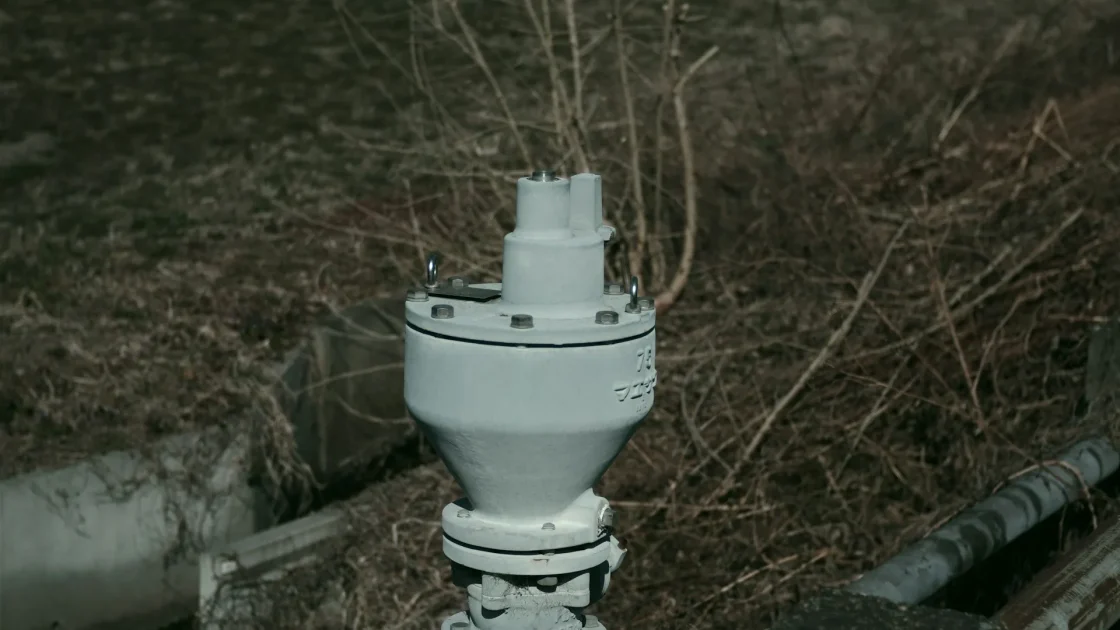
The single most common cause of aging sensor trouble is not the sensor at all. It is the connector feeding it. Radar and cameras live in exposed places, behind bumpers and against windshields, and moisture eventually finds its way into the plugs.
Corrosion builds slowly on the pins, adding electrical resistance until the signal gets flaky. The result is an intermittent fault: a warning light that comes and goes with no obvious pattern, often worse in wet weather. Before condemning an expensive radar, a good technician checks the connector, and so should you if you are chasing a ghost. Our guide to how car radar sensors work explains why these units are so exposed in the first place.
2. Repeated minor impacts
Radar sensors behind bumpers take a beating you never see. Curb taps, parking nudges, a shopping cart, a low bollard. None of these leave a mark on the paint, but each one can shift the sensor’s aim by a hair or crack an internal mount over time.
The car may not fault immediately. Instead the detection zone drifts, and features start behaving oddly: braking that triggers late, blind spot alerts that miss a car, adaptive cruise that hunts. This slow misalignment is exactly why our article on the radar sensor behind the bumper stresses getting a check after any low-speed bump.
Watch out
A parking-lot tap that leaves zero visible damage can still knock a radar out of calibration. If a feature starts acting strange after a minor bump, do not assume no dent means no problem.
3. Heat and vibration wear
Sensors mounted near the engine bay or low on the car endure years of heat cycling and constant vibration. Solder joints fatigue, internal components age, and lens housings can cloud or yellow. This is ordinary wear, the automotive equivalent of a phone battery slowly losing capacity.
You rarely notice a single day of decline. Over five or ten years, though, an older camera may struggle in conditions it once handled fine, faulting in light rain or low sun that never used to bother it. Owners of high-mileage vehicles tend to see these age-related quirks first, simply because their sensors have logged the most hours.
4. Windshield haze and camera clouding
The forward camera looks through your windshield, and both the glass and the lens degrade with age. Fine pitting from years of highway grit scatters light. A hazy film builds on the inside of the glass. Wiper arcs etch faint scratches right in the camera’s sightline.
The camera itself may be fine, but its view is not. If you have a persistent complaint here, our walkthrough on what blocks your ADAS camera covers the fixable causes, many of which are just accumulated grime rather than a failing part.
5. Water intrusion inside the unit
Seals do not last forever. A radar or camera housing that was watertight when new can develop a hairline breach after a decade of expansion and contraction. Once moisture gets inside the sealed unit, the failure is usually terminal, and this is one of the few cases where replacement, not recalibration, is the answer.
Note
Internal water damage often shows up as a hard fault that will not clear no matter how many times you reset it. A code that refuses to go away after cleaning and recalibration is a strong hint the sensor itself has failed.
How to tell aging from a simple block
The tricky part is separating a genuinely failing sensor from a temporary blockage. A dirty sensor faults consistently in the same conditions and clears when you clean it. An aging sensor faults unpredictably, worsens over months, and does not fully recover after cleaning.
- Clears after cleaning: probably just dirt or ice, not failure
- Comes and goes with weather: suspect a corroded connector
- Feature drifts or misjudges: suspect misalignment from an impact
- Fault that never clears: suspect internal damage, plan for replacement
When a reset simply will not hold, our guide on when a reset will not work lays out the next steps rather than leaving you stuck in a loop.
What actually fixes an aging sensor
Many age-related problems are fixed by recalibration, not replacement. A sensor that has drifted out of alignment can often be brought back into spec on a calibration rig, which is far cheaper than a new unit. Our complete guide to ADAS calibration explains what that process involves and when it is required.
Some failures, though, are genuinely terminal: water inside the housing, a cracked lens, a corroded circuit board. For an honest read on how these systems hold up in service, the Consumer Reports car safety coverage tracks real-world reliability across brands.
Aging gracefully
The best thing you can do for aging sensors is pay attention to the small stuff. Take intermittent warnings seriously the first time, not the fifth. Get a check after any bump, however minor. Keep connectors and mounting points clear of grime, and address windshield haze before it settles into the camera’s view.
ADAS sensors do not usually betray you overnight. They send up flares for months first. Learn to read those flares and you will replace a corroded connector for pocket change instead of discovering, too late, that a safety feature stopped watching the road a long time ago.
Frequently asked questions
Many last the life of the vehicle, especially cameras that live in the protected cabin behind the windshield. Radar units in exposed bumper locations tend to age faster due to moisture, vibration, and minor impacts, but there is no fixed expiration date. Care and environment matter more than years.
It depends on the failure. Misalignment and drift are often corrected with recalibration, and a corroded connector can sometimes be cleaned or replaced on its own. Internal water damage, a cracked lens, or a failed circuit board usually means the whole sensor has to be replaced.
It can be an early sign. Warnings that come and go, especially in wet weather, often point to a corroded connector or a sensor drifting out of spec. Do not ignore an intermittent fault just because it disappears; it usually gets worse over time.
Cleaning prevents the most common temporary faults from dirt, ice, and grime, and it keeps camera views clear. It cannot stop internal aging like corrosion inside a housing or fatigued solder joints, but it does eliminate a huge share of the everyday problems people mistake for failure.
Keep reading
Related guides
Corner Radar Sensors: What They Do
The sensors tucked in your rear bumper corners are the reason your mirror lights up when a car sneaks up beside you.
Read guide
The Cameras and Radar Behind ADAS
The cameras, radar, and ultrasonic sensors behind every driver-assist feature, mapped out in plain English.
Read guide
Front Grille Emblem and Hidden Radar
That shiny badge on your grille might be the one part of your car you must never replace with chrome.
Read guide