Radar Sensor Behind the Bumper Guide
Your forward radar hides low behind the bumper skin, and knowing why explains half the warnings it throws.

Key takeaways
- The forward radar mounts low and central behind the bumper cover, not up in the engine bay.
- It reads distance and closing speed for adaptive cruise, collision warning, and automatic braking.
- Ice, mud, salt, and aftermarket emblems are the usual reasons it reports blocked or unavailable.
- Any bumper hit or removal can knock its aim off, which is why a calibration is often required afterward.
Pop the hood on a modern car and you will not find the radar that runs your adaptive cruise and automatic braking. It is not up top with the engine. It is bolted low behind the front bumper cover, usually dead center, staring straight down the road through a plastic skin you can knock on with your knuckles. Most owners have no idea it is there until a warning message tells them it cannot see.
I spent years pulling bumpers to reach these units and re-aiming them after a fender bender or a windshield job. The front radar is one of the most misunderstood parts on the car, mostly because it hides in a spot nobody thinks to look. This guide explains where the radar sensor behind the bumper actually lives, why it sits there, what it does, and what throws it off.
If you have ever seen a message about a blocked or unavailable front system, this is the part it is talking about, ninety percent of the time.
Where the radar hides and why it is down low
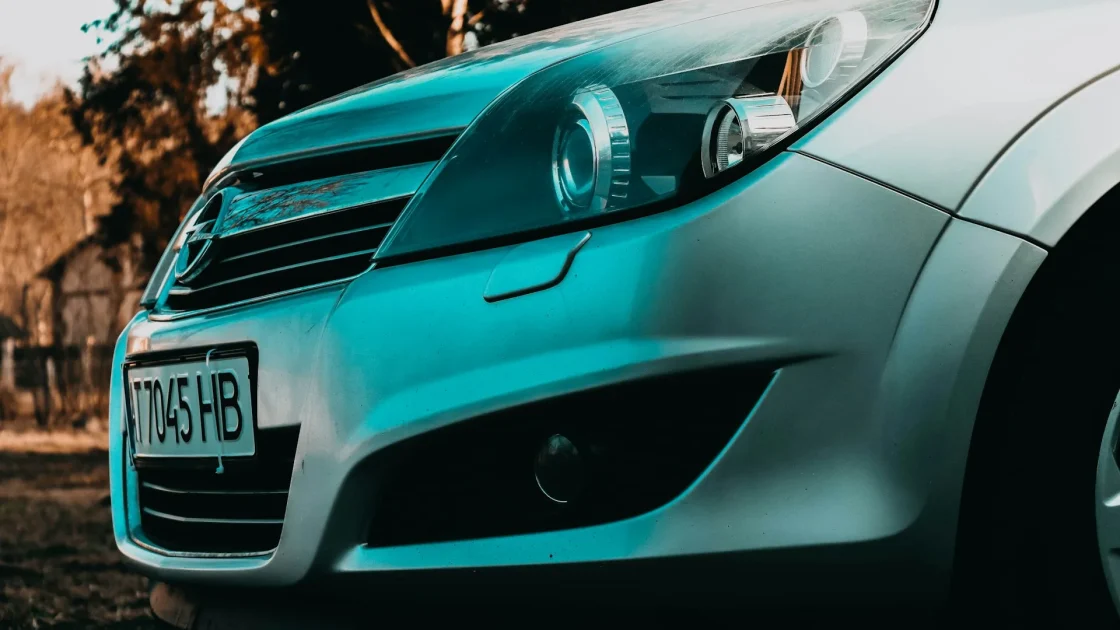
The forward radar almost always mounts behind the front bumper cover, low and central, roughly at knee height. On a lot of cars it tucks directly behind the emblem or a section of the grille. On others it sits behind a solid panel of the bumper skin that looks like nothing special from outside.
The low, central position is deliberate. Radar for adaptive cruise and forward collision braking needs a clean, flat view straight ahead to measure the distance and closing speed of the car in front. Down at bumper height, it looks at the mass of vehicles ahead without the hood or wipers getting in the way. Mount it too high and it would ping overpasses and overhead signs. Down low, it reads traffic.
This is a different part from the camera that watches lane markings. That camera lives up behind your rearview mirror, looking through the windshield. People mix the two up constantly. If you want the full picture of the camera side, the guide to the forward ADAS camera location walks through where it sits and what it sees. The overview of the cameras and radar behind ADAS lays out how the two work together as a team.
What this radar actually does
The front radar sends out radio waves and listens for the echo. From the timing and frequency shift of that echo, it calculates how far away the car ahead is and how fast the gap is closing. That single measurement feeds several of the systems you use every day.
- Adaptive cruise control uses it to hold a set gap and slow down when traffic slows.
- Forward collision warning uses it to sound the alarm when you are closing too fast.
- Automatic emergency braking uses it to pre-charge and apply the brakes if you do not react.
Radar is the workhorse here because it does not care about darkness. Unlike a camera, it sees at night and reads distance directly. That is why so much of your forward safety net leans on this one sensor. If you want the deeper mechanics, the explainer on how car radar sensors work gets into the physics without the jargon, and shows how that raw signal becomes a brake application.
Good to know
The radar reads through the plastic bumper cover just fine when it is stock. Trouble starts when something metallic, thick, or wet sits between the radar and the road: aftermarket emblems, thick body filler, a mud pack, or a sheet of ice.
Why a bumper hit is such a big deal
Because the radar bolts to a bracket behind the bumper, anything that moves the bumper can move the radar. A parking tap that cracks the cover might also nudge the sensor a degree or two off center. You will not see it, but the car will feel it. A radar aimed a couple of degrees off will misjudge which lane a car ahead is in.
This is why a bumper repair so often triggers a calibration requirement. The shop is not upselling you. Once that bumper comes off or takes a hit, the radar has to be re-aimed to a target so it points exactly where the factory intended. I cover the whole process in the guide to ADAS calibration after a bumper repair, and skipping it means driving on a sensor that is quietly pointing the wrong way.
A Mazda came in after a low-speed parking hit that barely scuffed the paint. The radar bracket had shifted three degrees. The car had been braking phantom-style at highway speed for a week because it thought cars in the next lane were in its path.
What blocks the radar and throws a warning
The most common reason people go looking for this sensor is a dashboard message telling them the front radar is blocked or the system is unavailable. The fix is usually simpler than the panic suggests.
Ice is the number one culprit in winter. A thin glaze of ice or packed snow across the bumper skin is enough to bounce the radar signal back and blind it. Mud, slush, and a thick film of road salt do the same. So does a plastic license plate frame that overlaps the sensor area, or an aftermarket emblem with a metal backing.
Start by clearing the front bumper and grille area, then drive a short cycle. If the message clears, you found it. If it does not, the guide to a front radar blocked fix walks through the next steps. For the winter-specific version of this problem, snow and ice on ADAS sensors is the one to read.
Watch out
Do not scrape the bumper skin over the radar with a metal ice scraper or a pressure washer held inches away. Use warm water and a soft cloth. Gouging or cracking the cover changes how the radar sees through it, and that can mean a new bumper skin, not just a clean.
Can you clean or service it yourself
Cleaning, yes. Servicing, mostly no. Wiping ice, mud, and grime off the bumper is a driveway job anyone can do, and it fixes the vast majority of blocked-radar messages. Keep the front of the car clean in winter and you will rarely see the warning at all.
Removing the sensor, replacing it, or re-aiming it is a shop job. The radar has to be calibrated to a physical target board at a measured distance, on level ground, with the tire pressures and ride height correct. That is not something you eyeball. The National Highway Traffic Safety Administration keeps a plain overview of these forward systems and why they matter: NHTSA driver assistance technologies.
How to spot the radar on your own car
Curious where yours is? Stand in front of the car and look low and central, around the grille or the emblem. On many models you will see a small squared-off panel, a smooth rectangular patch that looks different from the mesh around it, or an emblem that feels like it covers something. That flat patch is usually the radar window.
Do not go prying at it. The point is just to know what part the car means when it says the front system cannot see. Once you can picture that little unit behind the bumper, low and central, staring down the road, the warning messages stop feeling like a mystery. You will know to check the bumper for ice or mud first, and to think about calibration after any front-end knock. That single mental picture saves people a lot of needless worry, and often an unnecessary trip to the shop.
Frequently asked questions
It sits low and central behind the front bumper cover, usually around knee height, often directly behind the emblem or a smooth section of the grille. It is not in the engine bay. From outside you can sometimes spot it as a flat, squared-off panel that looks different from the mesh around it.
Yes. Because the radar bolts to a bracket behind the bumper, a crack or a hit can shift its aim by a degree or two. Even a small change in angle makes the radar misjudge which lane a car ahead is in. That is why a calibration is usually required after a bumper repair.
Something is sitting between the radar and the road. In winter it is almost always ice or packed snow on the bumper skin, and the rest of the year it is mud, road salt film, or an aftermarket emblem with a metal backing. Clear the front bumper and grille, then drive a short cycle to see if it clears.
Cleaning the bumper area over the radar is an easy driveway job that fixes most blocked messages. Use warm water and a soft cloth, never a metal scraper or a close-range pressure washer. Replacing or re-aiming the sensor, however, is a shop job that needs a calibration target and level ground.
Keep reading
Related guides
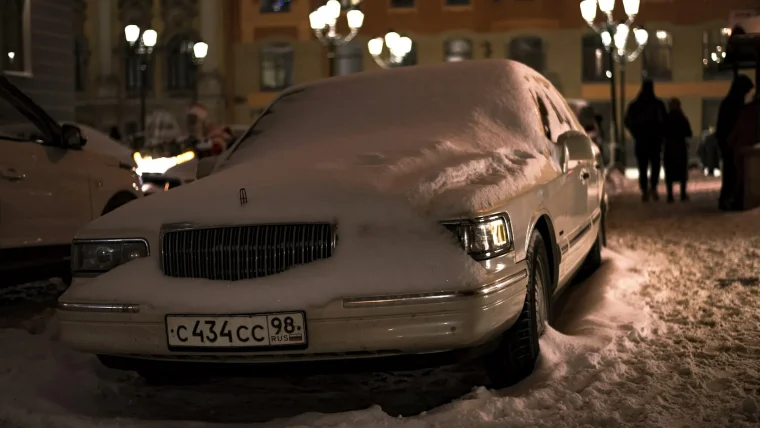
Snow and Ice on ADAS Sensors
Winter warnings usually mean snow or ice is sitting on a sensor, not that anything expensive has broken.
Read guide
Ultrasonic Parking Sensors Explained
How the little round sensors in your bumpers judge distance with sound, and why they beep when nothing is there.
Read guide
Front Grille Emblem and Hidden Radar
That shiny badge on your grille might be the one part of your car you must never replace with chrome.
Read guide