Snow and Ice on ADAS Sensors
Winter warnings usually mean snow or ice is sitting on a sensor, not that anything expensive has broken.

Key takeaways
- Packed snow and ice block the camera and radar, so the car switches assist features off on purpose.
- The most-missed spots are the front bumper radar, the rear corners, the camera strip, and the roof edge above the windshield.
- Never use a metal scraper or boiling water on a sensor; use lukewarm water and the defroster.
- Cold alone rarely disables sensors; the snow, slush, and salt sitting on them is what does it.
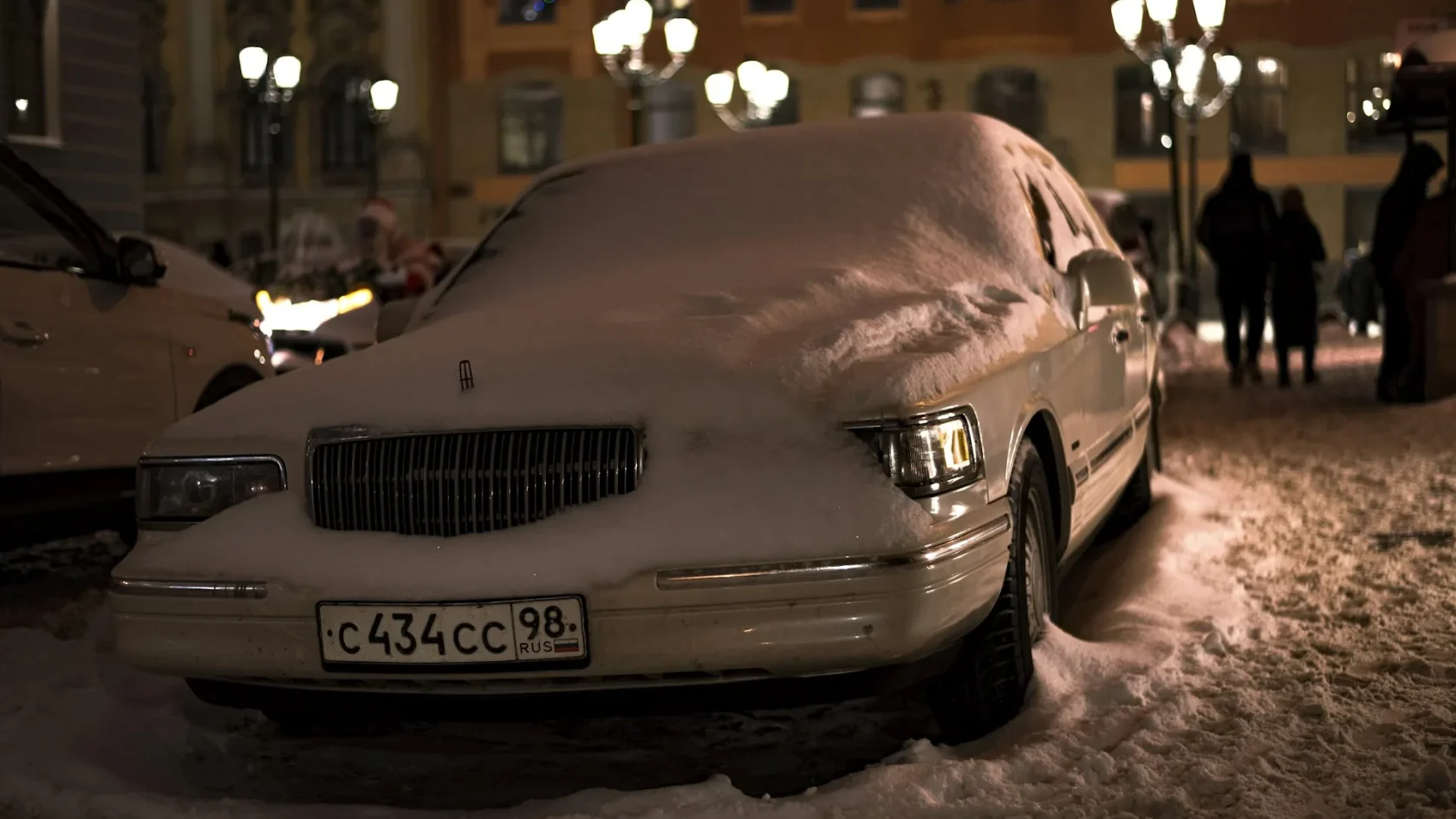
The first hard snow of the season is when my phone used to start ringing. Someone brushes off their windshield, hops in, and half the dashboard is lit up: front assist not available, radar blocked, lane keeping off. They think the cold killed something expensive. It almost never did. Snow and ice are simply sitting on the sensors, and the car will not work blind.
After years of pulling ice off radar units and scraping frost from camera housings, I can tell you winter is the season that confuses drivers most about their ADAS. The systems that behaved perfectly all summer suddenly nag and quit. This guide explains exactly what snow and ice do to your driver-assist sensors, which sensors are most vulnerable, and how to keep them working when the weather turns.
None of it is complicated. Most of it comes down to keeping a few small patches of the car clear.
What snow and ice actually do to the sensors
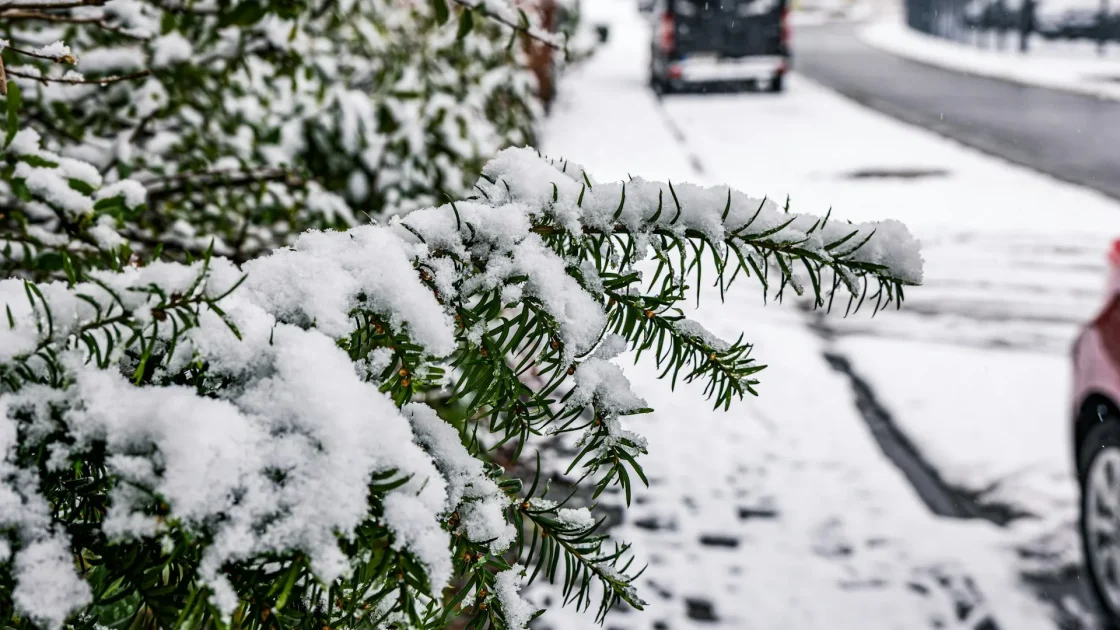
Your driver-assist systems run on cameras and radar, and both need an unobstructed view. Snow and ice block that view in the most literal way possible. A layer of packed snow or a glaze of ice over a sensor is a solid wall to it.
The front radar behind the bumper is the classic winter casualty. It reads through the plastic bumper skin fine, but pack snow or ice across that skin and the signal bounces back blind. That kills adaptive cruise and forward collision braking until it is cleared. The guide to the radar sensor behind the bumper shows exactly where that unit hides, and the front radar blocked fix walks the cleanup.
The windshield camera is next. Frost, a snow cap left above the wiper line, or an ice sheet on the glass blinds the camera that runs lane keeping. The corner radars in the rear bumper, which handle blind spot and cross-traffic, get buried under the same slush and salt. The overview of the cameras and radar behind ADAS maps out every sensor that winter can take down.
Why the car quits
A blocked sensor gives the car bad or missing data. Rather than act on it, the car switches the feature off and warns you. A snow-blinded system that kept running would be far more dangerous than one that steps back.
The spots most people forget to clear
Everyone clears the windshield and the mirrors. The sensor spots that get missed are the ones that leave the warnings on.
- The front bumper and grille, low and central, where the forward radar sits.
- The strip of windshield right in front of the camera, up behind the rearview mirror.
- The rear corners of the bumper, where blind spot and cross-traffic radars live.
- Any front emblem the radar hides behind, which loves to hold a plug of ice.
- The snow cap above the windshield that slides down over the camera as you drive.
That last one catches people constantly. You clear the glass, but the mound of snow on the roof edge slumps down over the camera a mile down the road, and the warning returns. Clear the roof edge above the windshield too.
Watch out
Do not attack an iced-over radar or camera with a metal scraper or boiling water. Scraping can gouge the bumper skin or scratch the camera housing, and boiling water on frozen glass risks a crack. Use lukewarm water and a soft brush, and let the defroster do the slow work.
Why the lights sometimes come back mid-drive
A frustrating winter pattern is clearing everything, driving off happy, then watching the warnings return after a few miles. There are two usual reasons, and both are fixable.
The first is that snow cap sliding down from the roof onto the camera, which I just mentioned. The second is fresh slush and salt spray thrown up onto the front radar and rear corner sensors as you drive on wet, treated roads. The road itself re-coats the sensors. On a bad day you may need to wipe the front and rear corners of the bumper more than once. For the whole seasonal picture, the ADAS and winter driving guide pulls it together.
A Subaru owner was sure his eyesight system had failed. Every drive it quit after ten minutes. The culprit was a wedge of ice packed behind the front emblem that the cabin heat slowly melted and refroze, blinding the radar on and off. Cleared the emblem, problem gone.
Cold versus blocked: an important difference
People blame the cold itself, but temperature alone rarely disables a modern ADAS sensor. These units are built to operate through hard winters. What disables them is the stuff the cold brings: snow, ice, slush, and road salt sitting on the sensor face.
That distinction matters because the fix is cleaning, not warming. If your systems are down on a cold but clear, dry day with clean sensors, that points to something other than weather, maybe a calibration issue or a genuine fault. The rundown on signs your ADAS needs recalibration helps you tell them apart. But if it is snowing or the roads are slush, check the sensor faces first, every time.
Keeping ADAS alive all winter
The whole game in winter is keeping a handful of small patches clear. Do that and your systems mostly behave like they do in July.
-
Clear the sensor zones, not just the glass
Front bumper, rear corners, the camera strip of windshield, and the roof edge above it. Add these to your normal brush-off routine.
-
Rinse the salt off regularly
A film of dried road salt over the bumper deadens radar. A wash, or even a rinse, keeps the front and rear sensors reading.
-
Let the defroster help
Warm the glass and cabin so frost over the camera clears gently, rather than forcing it with a scraper right over the sensor.
The National Highway Traffic Safety Administration has a plain overview of how these systems are meant to work and their limits in bad conditions: NHTSA driver assistance technologies.
What winter driving with ADAS really asks of you
Snow and ice on the sensors mean your safety net is off exactly when the roads are worst. That is the part worth sitting with. On a slick winter morning with the radar buried under slush, you have no automatic braking and no lane assist, so your own attention is the only system running.
Keep the sensor patches clear, expect the odd dropout when the road throws slush back onto the bumper, and drive the winter roads as if you have no assist at all, because some days you will not. Do those three things and the warnings stop being a mystery. They become a simple reminder to brush a few more spots before you pull away.
Frequently asked questions
Snow and ice sitting on the sensors block their view. The front radar behind the bumper, the windshield camera, and the rear corner radars all need a clear line of sight. When they are buried, the car switches the features off and warns you rather than act on missing data.
Clear the front bumper and grille where the radar sits, the strip of windshield in front of the camera, the rear corners of the bumper, and the roof edge above the windshield. Use lukewarm water and a soft brush, never a metal scraper or boiling water, and let the defroster do the slow work on frost.
Two usual reasons. A snow cap left on the roof edge can slide down over the camera as you drive, and fresh slush and salt spray from wet roads re-coats the front radar and rear corner sensors. On a bad day you may need to wipe the bumper areas more than once.
Rarely. The sensors are built to operate through hard winters, so temperature alone does not usually disable them. What disables them is the snow, ice, slush, and road salt the cold brings, sitting on the sensor face. If systems are down on a clear, dry, cold day with clean sensors, suspect calibration or a fault instead.
Keep reading
Related guides
Do Aftermarket Bumpers Affect Radar?
A former calibration tech explains when a replacement bumper quietly kills your forward radar, and how to keep it working.
Read guide
Front Grille Emblem and Hidden Radar
That shiny badge on your grille might be the one part of your car you must never replace with chrome.
Read guide
How Many Sensors Does a Car Have?
A former calibration tech counts the sensors packed into a modern car, group by group, from engine to airbags.
Read guide