ADAS and Winter Driving: What to Know
Cold weather changes how your driver-assist systems behave, and knowing the quirks keeps you calmer when a warning pops up on an icy morning.

Key takeaways
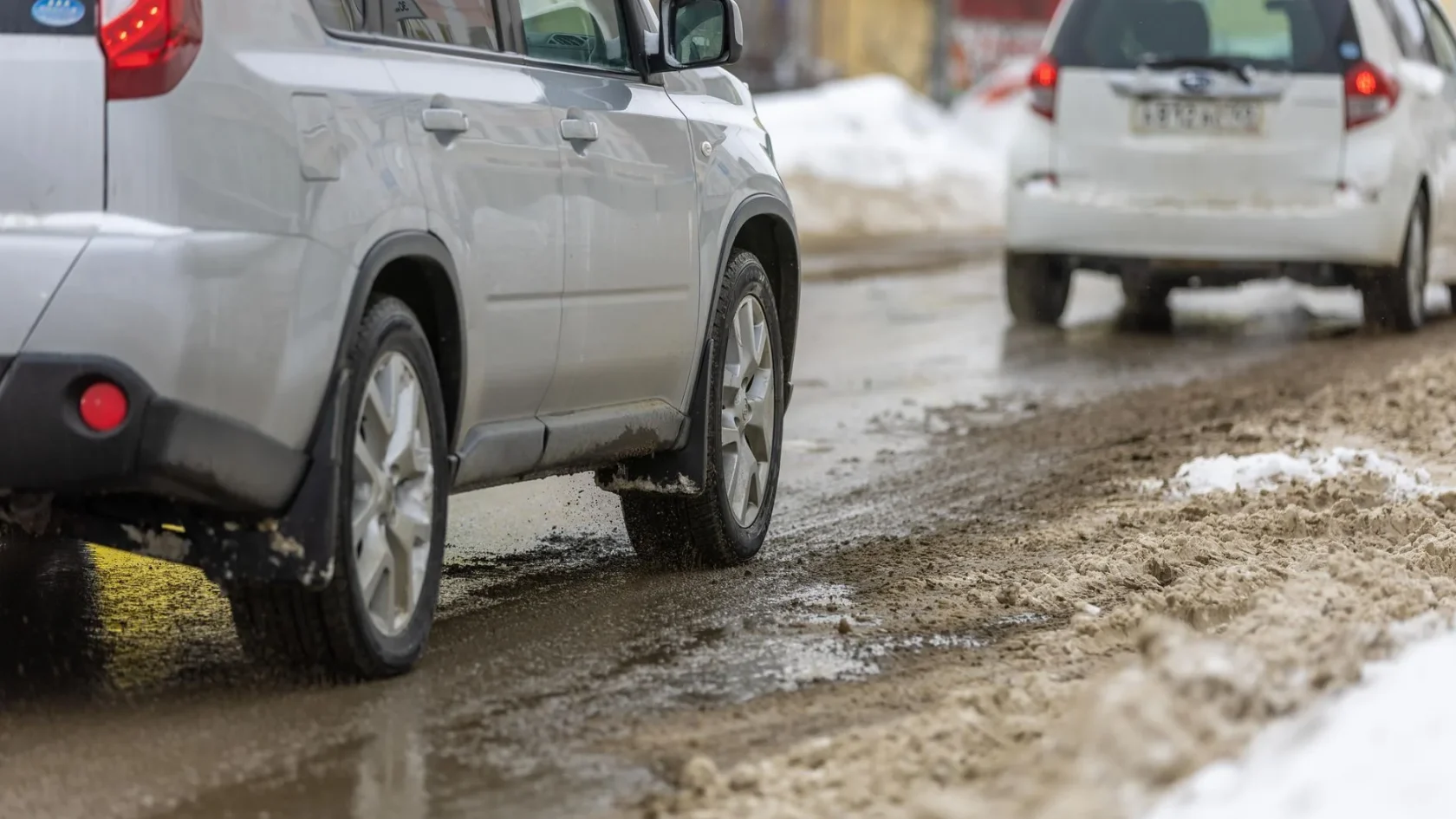
- Snow, ice, and road salt are the top three things that blind ADAS sensors in winter.
- Most systems degrade gracefully and warn you before they quit, so a lit symbol is usually a request to clean a sensor.
- Automatic emergency braking and lane centering can behave differently on snow-covered lanes, so keep your hands and attention ready.
- A soft cloth and a few seconds of clearing snow off the camera and radar prevents most cold-weather faults.
The first hard freeze of the year is when my phone used to light up. Every November, drivers would call the shop asking why their car suddenly forgot how to keep itself in a lane, or why a yellow warning appeared the moment the temperature dropped below freezing. Nine times out of ten, nothing was broken. The car was just doing exactly what it was designed to do when its eyes get covered in snow.
I spent years calibrating these systems, and winter is where the gap between what people expect and what the hardware can actually do gets widest. Radar and cameras are precise, but they are not magic. Pack them with slush, coat them in road salt, or point them at a lane line buried under two inches of powder, and they lose confidence fast.
This guide walks through what actually changes when it gets cold, what still works, and the small habits that keep your driver-assist features helping instead of nagging. If you drive somewhere with real winters, a little understanding here saves you a lot of dashboard anxiety.
Why cold weather confuses driver-assist systems
Your car sees the road through a small camera near the rearview mirror and one or more radar units behind the grille or bumper. Both need a clear view. Cold weather attacks that clear view in three predictable ways.
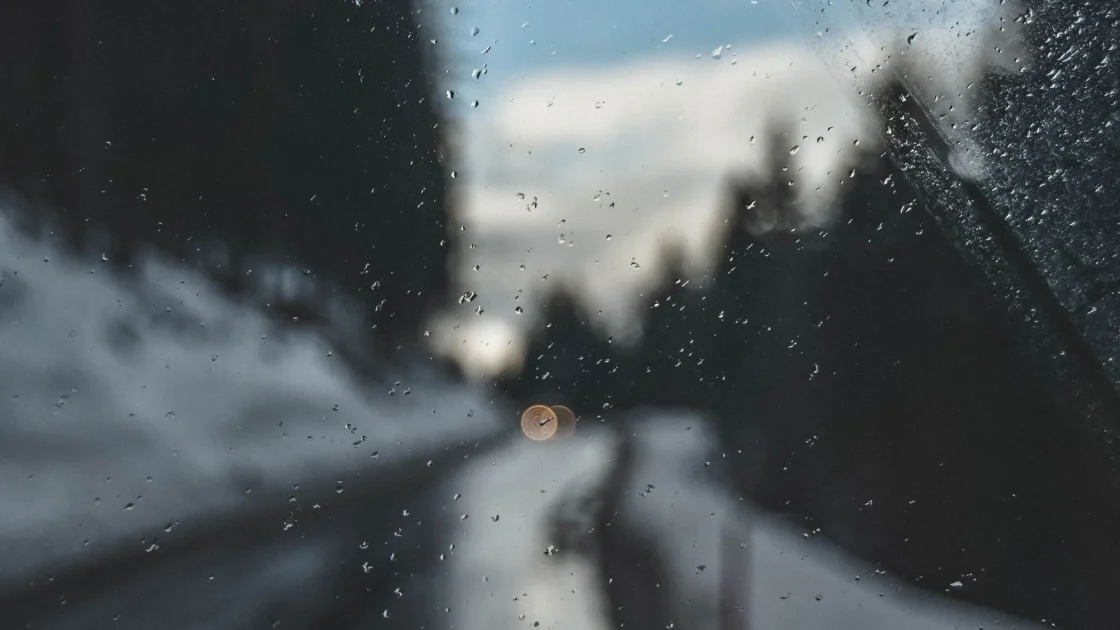
First, physical blockage. Snow packs into the grille and sits on the camera glass. When the sensor cannot see, the system shuts off and tells you so. This is the same idea covered in our guide to snow and ice on ADAS sensors, and it is by far the most common winter complaint.
Second, condensation and fogging. A cold camera lens in a warm cabin fogs up just like your glasses do when you walk indoors. For a minute or two after you start the car, the camera may see nothing but haze.
Third, weak or shifting reference points. Lane centering needs painted lines to follow. Fresh snow hides those lines, and the salt-and-sand mess left behind can confuse the camera into reading a plow line as a lane edge.
Note
A warning light in winter is almost always a request, not a repair bill. The car is asking you to clear a sensor or wait for it to warm up, not telling you a part has failed.
What still works, and what quietly steps back
Not everything fails in the cold, and knowing the difference helps you plan. Radar-based features like adaptive cruise control and forward collision warning tend to hold up better than camera-based ones, because radar can see through light snow that would blind a camera. Even so, a thick crust of ice over the radar behind your emblem will knock it out, which we cover in the piece on the front grille emblem and hidden radar.
Camera-dependent features are the first to bow out. Lane keeping, lane centering, traffic sign recognition, and automatic high beams all lean heavily on that windshield camera. When it cannot see clean lines or clear signs, it stops rather than guess.
How systems tell you they are stepping back
Good news: these systems almost always warn you before they quit. You might see a message like front assist not available, or a small symbol with a car and waves. If you want to decode the exact icon on your dash, our overview of what your ADAS warning lights actually mean lines the common ones up side by side.
- Adaptive cruise: usually works in light snow, drops out in heavy snow or ice buildup.
- Automatic emergency braking: stays active longer but may reduce sensitivity.
- Lane centering and lane keeping: often the first to disable when lines vanish.
- Blind spot and rear cross-traffic: reliable unless the corner radar is packed with slush.
The road-salt problem nobody warns you about
Snow you can brush off. Salt is sneakier. Road salt and the grimy film it leaves behind coats sensors in a thin, hard-to-see layer that scatters radar signals and clouds camera lenses. I have pulled bumpers off cars in February and found the radar face caked in a gray crust the owner never noticed.
This is why a car that ran perfectly in fresh snow can start throwing faults a week later once the roads dry to that salty haze. The fix is simple but easy to forget: wipe the sensors down. Our guide to cleaning ADAS sensors the right way covers what to use and what to avoid, but the short version is a soft damp cloth and gentle pressure, never a scraper on the camera glass.
Watch out
Do not blast a frozen camera or radar with hot water to melt ice fast. The sudden temperature swing can crack a lens or damage a sensor housing. Let the defroster do the work, or use lukewarm water and patience.
How driving actually feels different in winter
Even when everything is working, the systems behave differently on winter roads, and that surprises people. On a snow-packed surface, lane centering may tug the wheel more hesitantly because the lines are faint. Adaptive cruise might brake earlier and gentler to avoid a slide. Automatic emergency braking has to weigh the fact that hard braking on ice can cause a skid, so its calibration accounts for reduced traction where it can.
None of this replaces winter driving fundamentals. The systems assist; they do not take over. If you are new to how these features cooperate, our explainer on how modern driver-assist systems work gives you the mental model, and it makes the winter quirks far less mysterious.
The National Highway Traffic Safety Administration keeps a plain-language rundown of these features and their limits at NHTSA, and it is worth a read before your first snowy commute of the season.
A five-minute winter routine that prevents most faults
Here is the habit I recommend to anyone who parks outside. Before you pull away on a cold morning, take a few seconds to clear the spots that matter.
-
Clear the windshield camera zone
Brush snow off the glass in front of the interior camera, roughly behind the rearview mirror, and let the defroster clear any interior fog.
-
Wipe the front grille and emblem
The forward radar usually hides here. Knock off snow and, if there is a salty film, give it a quick wipe.
-
Check the corners and rear bumper
Corner and rear radar units handle blind spot and cross-traffic alerts. A quick brush keeps them honest.
-
Give it a minute to warm up
Let condensation clear before you rely on any camera feature. A short warm-up beats a mile of no lane centering.
That is it. Once you make it a reflex, the winter warnings mostly disappear, and the ones that do show up make sense. Your car is not fragile. It just wants to see the road, and on a frozen morning that takes thirty seconds of help from you before it can help you back.
Frequently asked questions
Lane keeping relies on the windshield camera reading painted lane lines. When snow covers those lines, the camera cannot find a reliable reference, so the system disables itself rather than guess. It usually comes back once the lines are visible again.
Cold on its own rarely damages a healthy sensor. The bigger risks are cracking a lens by pouring hot water on frozen glass, or letting road salt build up and corrode connectors over time. Gentle cleaning and letting the defroster melt ice avoids both.
You can drive, but treat the light as a heads-up that a feature is offline. Your assist systems may not intervene, so drive as though they are not there and clear the affected sensor when you can. If the warning stays on after cleaning, have the system checked.
Usually in light snow, yes, because it uses radar that sees through mild precipitation. In heavy snow or once ice packs over the radar, it will drop out and warn you. Leave extra following distance and be ready to take over on slick roads regardless.
Keep reading
Related guides
Buying a Car With ADAS: A Checklist
The exact things I check on the lot before I trust a car's driver-assist tech, in the order I check them.
Read guide
ADAS Levels 0 to 5, Explained Simply
The six levels of driving automation, decoded in plain English with a table, by a former calibration tech.
Read guide
The Future of Driver-Assist Tech
Where driver-assist technology is actually heading, minus the hype, from someone who has calibrated the sensors it all depends on.
Read guide