Front Grille Emblem and Hidden Radar
That shiny badge on your grille might be the one part of your car you must never replace with chrome.

Key takeaways
- Many cars hide the front radar directly behind the grille emblem or badge.
- The emblem is made of radar-transparent plastic, not the metal it appears to be.
- A chrome aftermarket badge can block the radar and disable adaptive cruise or braking.
- Snow, ice, and mud packed on the grille are common causes of front radar faults.
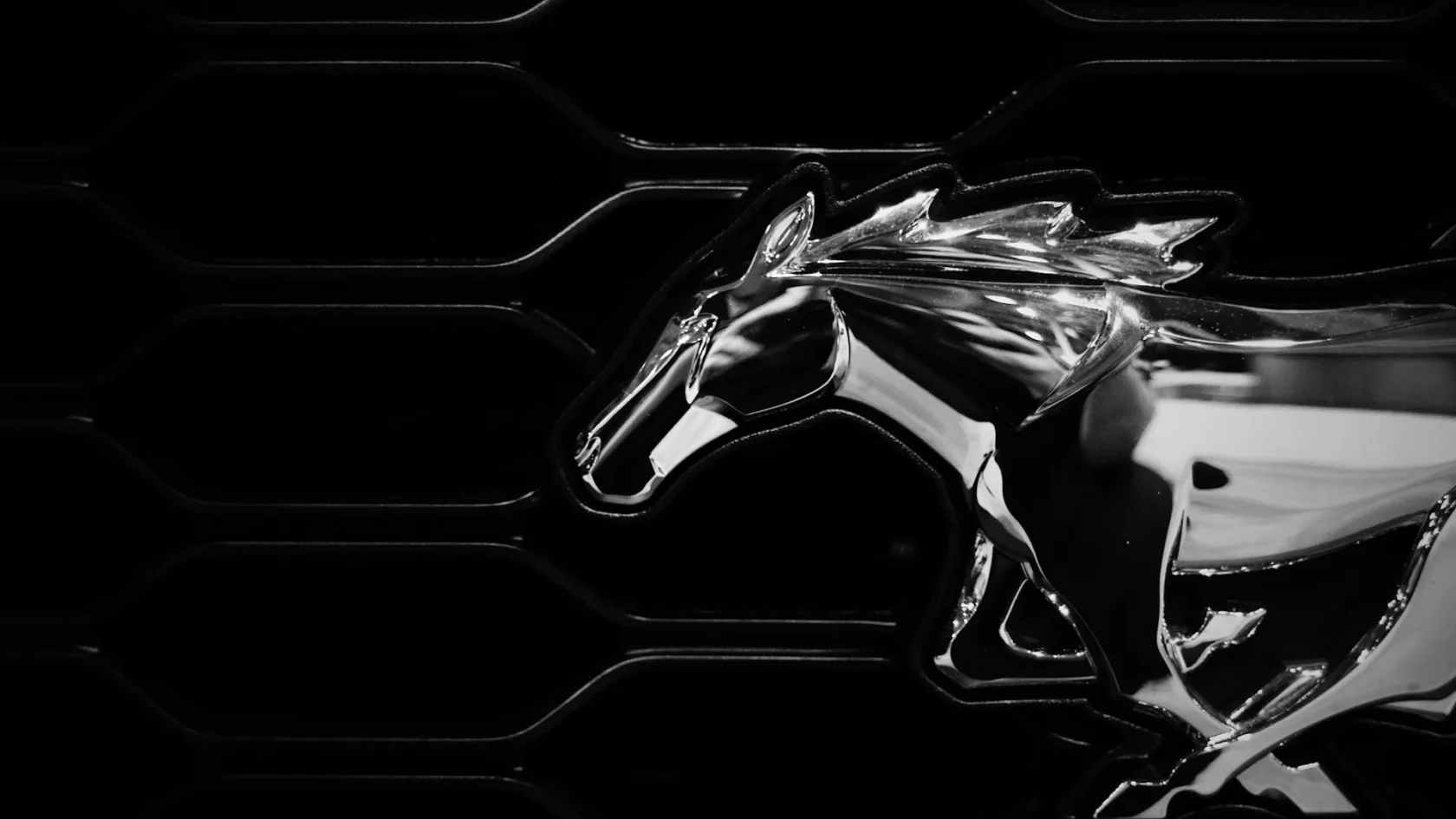
Look at the badge in the center of your front grille. It probably looks like polished metal, catching the light like chrome. On a growing number of cars, that badge is lying to you, and for a very good reason. It is not metal at all. It is a carefully engineered piece of plastic, painted to look metallic, hiding the front radar sensor directly behind it.
This is one of my favorite bits of automotive design because it is so sneaky and so clever. The manufacturer needed a clear spot dead center on the front of the car for the radar to see through, and the most convenient real estate was already occupied by the brand emblem. So they made the emblem do double duty: still a badge, but now a radar window too.
Understanding this saves people from an expensive and genuinely dangerous mistake, so let me explain how it works.
Why radar hides behind the badge
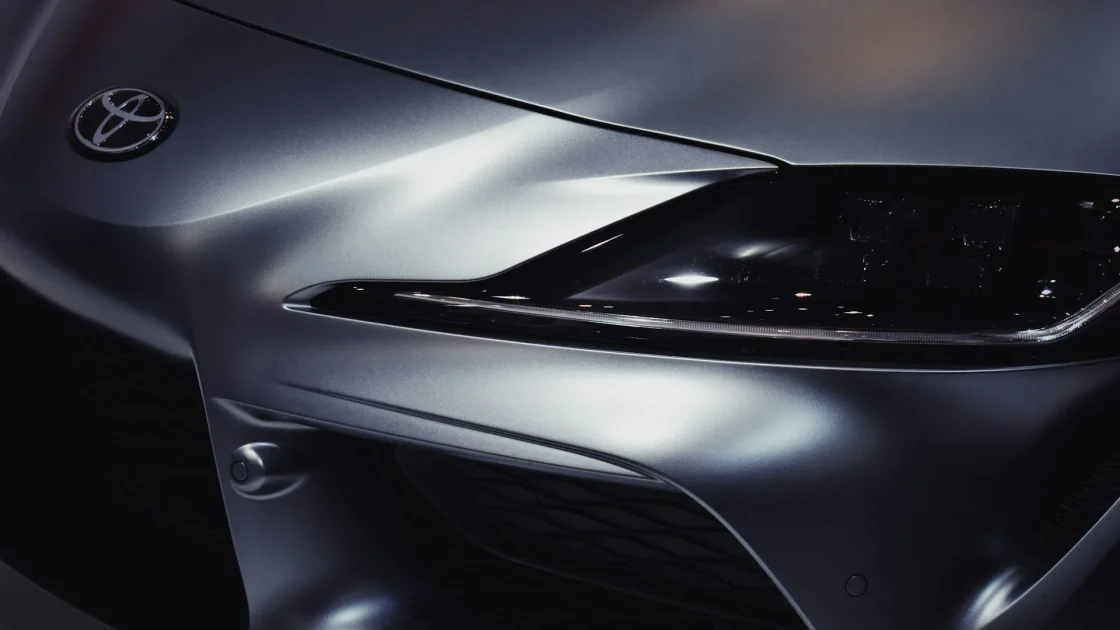
Front-facing radar needs an unobstructed view straight ahead to run adaptive cruise control and forward automatic braking. Metal reflects radar, which means the sensor cannot fire through a normal metal grille slat or a real chrome badge. It needs a radar-transparent path.
The center of the grille is ideal: it is high enough to see over low obstacles, centered for a symmetrical view, and structurally protected. The emblem already sits there, so engineers redesigned it in radar-friendly plastic. This is the same forward-looking system I describe in our guide to the radar sensor behind the bumper, just relocated up into the badge on many models.
If you want the underlying science of how the sensor turns radio waves into distance and speed data, our explainer on how car radar sensors work covers it in plain terms. The short version is that the radar times how long its signal takes to bounce back, and anything reflective sitting in the way, like metal, ruins that measurement before it starts.
The chrome badge trap
Here is where people get burned. Owners love to dress up a grille with a shiny aftermarket emblem, a chrome overlay, or a blacked-out metal badge. On a car with radar behind the emblem, doing that can partially or completely block the sensor.
Watch out
Never replace a factory grille emblem with a metal or chrome aftermarket badge on a car with front radar behind it. Metal reflects the radar signal and can disable your adaptive cruise control and forward emergency braking without any obvious warning at first.
I have seen a driver install a gorgeous chrome badge, then spend weeks baffled by an adaptive cruise fault that would not clear. The fix was a two dollar realization: put the plastic factory emblem back. The radar had been staring into a mirror the whole time. The same warning applies to those decorative badge surrounds and grille meshes people add, if they cross in front of the sensor, they can cause the same trouble.
How to tell if your radar lives there
Not every car hides radar behind the emblem. Some put it lower in the bumper behind a separate plastic panel. A few clues help you tell:
- The badge feels like plastic, not cold metal, when you touch it
- There is a visible seam or slightly recessed panel around the emblem
- Your car has adaptive cruise control or forward collision braking
- The owner’s manual warns against aftermarket badges or grille accessories
When in doubt, the owner’s manual is the authority. Manufacturers specifically call out the radar location because they know how easily it gets blocked. Our overview of the cameras and radar behind ADAS can help you map out where each sensor on your car is likely to be, so you know which panels and badges to leave alone.
The everyday blockers
Even with the factory emblem in place, the front radar sits at the very front of the car, right where weather and road debris pile up. A thick coat of snow, a plug of ice, or caked mud across the badge will block the signal just as effectively as a chrome overlay.
This is why so many drivers get a front radar warning in winter. The clean front radar message is the car telling you it cannot see, and the fix is often nothing more than clearing the badge. Our guide to snow and ice on ADAS sensors goes deeper on the cold-weather version of this problem. In summer the culprit changes but the effect is the same: a windshield-height splatter of bugs or a film of road grime over the badge can be enough to interrupt the beam.
Note
A bug-splattered grille after a long summer drive can also mute the radar. When you clean the front of the car, give the emblem a deliberate wipe rather than blasting past it.
Repairs and recalibration
Because the radar sits behind the emblem, any front-end work near the grille can disturb it. Replace the grille, repair a front bumper, or even swap the emblem, and the sensor may need to be checked and recalibrated so its aim is true. A radar that ends up pointing slightly off center can misjudge the car ahead, braking too early or too late for comfort.
This ties directly into why a proper ADAS calibration after a bumper repair matters. A body shop that reassembles the front of your car without verifying the radar has skipped a real safety step. For an authoritative view of how these front-facing systems are meant to perform, the Insurance Institute for Highway Safety is a reliable reference.
Respect the badge
The takeaway is refreshingly simple. On a car with radar behind the emblem, treat that badge as a functional part of the safety system, not just a logo. Leave the factory plastic emblem in place, keep it clear of snow and mud, and think twice before any shiny aftermarket upgrade.
It looks like a decoration. It is actually a window. Keep that window clear and made of the right material, and the radar behind it will keep watching the road ahead exactly as designed.
Frequently asked questions
Touch the badge; a radar cover feels like plastic rather than cold metal, and there is often a faint seam around it. If your car has adaptive cruise control or forward collision braking, and the manual warns against aftermarket emblems, the radar is very likely behind it.
Not if the radar sits behind the emblem. Metal reflects radar and can disable adaptive cruise control and automatic braking. Stick with the factory plastic emblem, which is engineered to let the radar signal pass through unobstructed.
Snow, ice, and slush pack onto the grille and badge, blocking the radar's view straight ahead. The car detects that it cannot see and disables the affected features. Clearing the emblem and grille usually resolves the warning once the buildup is gone.
It can, because disturbing the grille or the area around the emblem may shift the radar's aim. After grille or front bumper work on a car with radar behind the badge, the sensor should be checked and recalibrated to make sure it is pointing correctly.
Keep reading
Related guides
Why Rain Disables Driver-Assist Sensors
Rain switches your driver-assist systems off on purpose, and knowing why keeps a stormy dashboard from rattling you.
Read guide
How Car Radar Sensors Work
A clear, hands-on explanation of the radar units that power adaptive cruise, automatic braking, and blind spot alerts.
Read guide
Cleaning ADAS Sensors the Right Way
A microfiber cloth and two minutes can fix more driver-assist complaints than most drivers realize.
Read guide