ADAS Calibration After a Bumper Repair
A former calibration tech explains why front and rear radar almost always need re-aiming after bumper work.

Key takeaways
- A front bumper hides radar and often parking sensors, so removing it disturbs the aim of safety systems you cannot see.
- Even a cosmetic bumper repair can shift a radar bracket by a degree, which is enough to throw warnings for weeks.
- Ask whether calibration is included in the repair quote, because many body shops leave it out and sublet it later.
- A car that drives fine after a bumper repair can still have radar that is quietly aiming at the wrong spot.
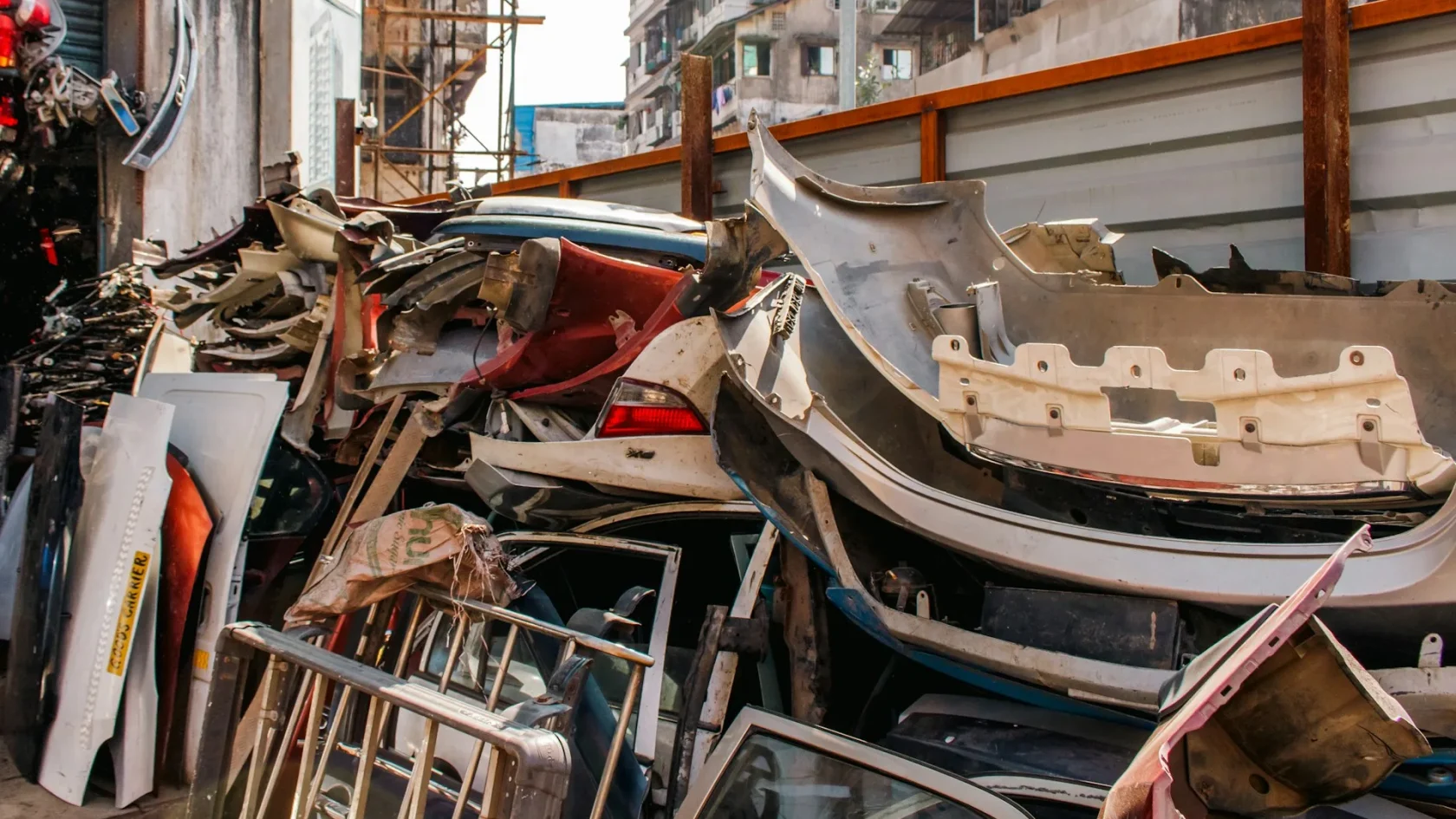
A bumper looks like the least technical part of a car. It is a painted plastic cover, the thing that scuffs in parking lots and cracks in a fender bender. So when someone gets a bumper repaired and I tell them the radar behind it needs calibrating, the reaction is usually a blank stare. What does a paint-and-plastic job have to do with the sensors?
Everything, as it turns out. I spent years re-aiming radar and cameras after collision work, and the front bumper is one of the most sensor-dense panels on the whole car. Behind that innocent cover sits the forward radar that runs your adaptive cruise and automatic braking, and often the parking sensors and a corner radar or two. Take the bumper off, and you have almost certainly moved something that needs to point in an exact direction.
This is the guide I wish every body shop handed to customers. I will explain what actually lives behind your bumper, why repairs knock it out of true, and what a proper calibration after a bumper repair should look like so you are not driving around with a safety system aiming at the guardrail.
What is actually hiding behind your bumper
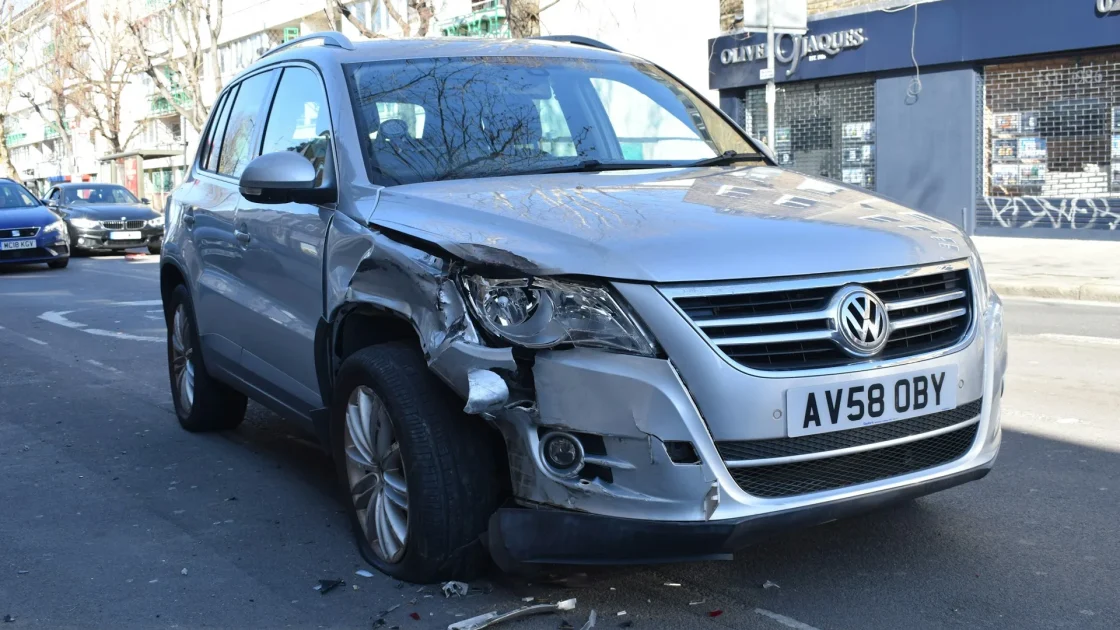
The front bumper cover is a mask. Behind it, bolted to a reinforcement bar or a bracket, is a surprising amount of hardware.
The star of the show is the forward radar. On most cars it sits low and center, sometimes behind the grille emblem, sometimes tucked in the bumper itself. That radar feeds your adaptive cruise control and your automatic emergency braking, and it has to aim dead straight ahead within a fraction of a degree. If you want the full picture of where it lives, the guide on the radar sensor behind the bumper walks through the exact mounting.
Then there are the ultrasonic parking sensors, those little round buttons across the face of the bumper. When a bumper is repaired or replaced, they come out and go back in, and a sensor seated at the wrong angle beeps at ghosts. Many cars also carry corner radar units at the outer edges for blind spot and cross-traffic alerts, and those hide behind the bumper corners too.
The short version
Your front bumper can conceal forward radar, corner radar, and a row of parking sensors. A repair that touches any of them can change where they point, and pointing is everything for radar.
Why a repair knocks the aim out
People assume that if the bumper goes back on straight, the sensors behind it are fine. That is not how radar works.
Radar does not care whether the bumper looks perfect. It cares about its own bracket. During a repair, the bracket that holds the forward radar can get bumped, bent, or unbolted and reseated a hair off from where it was. A single degree of error at the sensor translates into aiming several feet wide by the time the beam reaches a car a hundred feet ahead.
The impact that caused the damage matters too. Even a low-speed hit that only cracked the cover can jolt the radar bracket behind it. I have pulled bumpers that looked barely scuffed and found the radar mount visibly tweaked. The car drove fine, the owner had no idea, and the automatic braking was quietly measuring the world from a crooked vantage point.
This is why a bumper repair sits in the same bucket as a windshield swap or an alignment when it comes to calibration. Any event that disturbs a sensor’s position is a calibration trigger. The overview on signs your ADAS needs recalibration covers the other events that land you in the same place.
Cosmetic repair versus full replacement
Not every bumper job is equal, and the level of work tells you how likely calibration is.
A pure cosmetic repair, where a scuff is sanded and repainted without removing the cover, may leave the sensors untouched. May. If the bumper never came off and nothing behind it was disturbed, you might be fine. But even then, the impact that caused the scuff could have jostled a bracket, so a quick verification scan is cheap insurance.
A repair that removes the bumper cover, or a full bumper replacement, is a near-certain calibration. Once that cover is off, sensors are unplugged, brackets are exposed, and parking sensors are transferred to a new cover. Everything that comes out has to go back in the exact same orientation, and radar simply cannot be trusted to land back on target by eye.
| Repair type | Sensors disturbed | Calibration likely? |
|---|---|---|
| Paint touch-up, bumper stays on | Possibly none | Verify with a scan |
| Bumper removed and refitted | Radar, parking sensors | Yes |
| Full bumper replacement | Radar, corner radar, parking sensors | Yes, always |
| Repair after a front impact | Radar bracket may be bent | Yes |
What a proper post-repair calibration includes
Here is what should happen after the bumper is back on, in the order a good shop follows.
-
A full pre-scan
Before anything, the technician plugs in a scan tool and pulls every stored code. This shows which systems the repair affected and whether the car is already flagging a fault.
-
Radar aiming
The forward radar is calibrated to point exactly straight ahead, usually against a target board or reflector set at a measured distance. This is the step that decides whether your automatic braking sees the right car.
-
Parking sensor check
Each ultrasonic sensor is confirmed to be seated and reading correctly, so you do not get phantom beeps or dead zones.
-
A post-scan and road verification
A final scan confirms the codes are cleared, and a short drive verifies adaptive cruise and braking behave. The difference between static and dynamic calibration decides whether that drive is part of the procedure or just a sanity check.
Watch out
Plenty of body shops quote the repair and never mention calibration, then sublet it to a third party or skip it entirely. Ask up front whether ADAS calibration is included in writing. A bumper repair that ignores the radar is not a finished repair.
The cost conversation nobody starts
Calibration is not free, and it surprises people at the counter. A radar calibration after bumper work typically runs $150 to $400 on top of the body repair, depending on the car and whether it needs a static setup with targets or a dynamic road procedure. The full breakdown lives in the guide on how much ADAS calibration costs.
The good news is that if the bumper damage came from a collision, your insurance claim usually covers the calibration as part of the repair, the same way it covers paint and parts. It is worth confirming this with your adjuster so the cost does not land on you by surprise. For the regulator’s take on why these systems matter enough to get right, the National Highway Traffic Safety Administration keeps a clear overview: NHTSA driver assistance technologies.
My parting advice after all those collision calibrations is simple. Treat a bumper repair as a sensor job, not just a body job. The plastic is the least important thing behind that panel. Ask the shop about calibration before they start, get it in the estimate, and do not accept the car back until you have seen a post-scan that shows the radar is aiming where it should. Your automatic braking is only as good as the direction it is pointed.
Frequently asked questions
If the bumper cover was removed or replaced, yes, because the forward radar and parking sensors behind it are disturbed and must be re-aimed. A pure paint touch-up that never removed the cover may not need it, but a verification scan is still smart since the original impact could have shifted a bracket. When in doubt, ask the shop to scan before and after the repair.
Sometimes, but not reliably. Obvious signs include adaptive cruise braking for cars in the next lane, automatic braking firing late or not at all, or a warning light on the dash. The trouble is that a radar aimed a degree off can feel normal in everyday driving while still misjudging distance, which is exactly why a proper calibration and scan is the only sure check.
When the bumper damage comes from a collision covered by a claim, calibration is usually included as part of the repair, just like paint and replacement parts. It helps to confirm this with your adjuster and make sure the body shop lists the calibration on the estimate. If the repair is out of pocket, the calibration cost is on you, typically $150 to $400 on top of the body work.
They need to be reseated correctly rather than fully calibrated like radar, but the check matters. When a bumper is repaired or replaced, the ultrasonic parking sensors are removed and refitted, and a sensor seated at the wrong angle causes false beeps or blind spots. A good shop confirms every sensor is seated and reading properly as part of the post-repair process.
Keep reading
Related guides
Can You Calibrate ADAS at Home?
The honest answer on home ADAS calibration, from someone who did it professionally for years.
Read guide
Ride Height and ADAS Calibration
Why the height your car sits at is the hidden reference behind every camera and radar calibration.
Read guide
Insurance and ADAS Calibration Costs
What calibration costs on a claim, when insurance pays, and how to avoid getting stuck in the middle.
Read guide