Ride Height and ADAS Calibration
Why the height your car sits at is the hidden reference behind every camera and radar calibration.


Key takeaways
- ADAS sensors are calibrated at the factory ride height, so anything that changes how the car sits changes their aim.
- Worn springs, sagging suspension, and a heavy load in the back all tilt the sensors without you touching a bolt.
- Even correct-looking work can fail calibration if the car is not sitting at its proper reference height.
- Check tire pressure and suspension condition before assuming a warning is a sensor fault.
Ride height sounds like something only a suspension nerd would care about, the sort of detail that lives on a spec sheet and never touches daily life. But it turns out to be one of the most quietly important numbers for your driver-assist systems, and almost nobody thinks about it until a warning light forces the issue. I learned to check it early, because a surprising number of the calibration headaches I dealt with came down to a car that was not sitting where it was supposed to.
Here is the core idea. Every ADAS sensor on your car was aimed at the factory with the vehicle at a specific ride height. That height is the reference point the whole calibration is built on. When the car sits lower or higher or lopsided, the sensors are still aimed the way they were set, but the road is now at a different angle beneath them. The systems start reading the world from a stance the factory never intended.
Let me explain why ride height matters so much to these sensors, the everyday things that change it without any modification at all, and how to keep it from quietly breaking your safety systems.
Ride height is the reference everything trusts
Think of your forward camera and radar as instruments pointed at a precise angle toward the road. The camera looks forward and slightly down to find lane markings. The radar sweeps a calculated path down the pavement to track the car ahead. Both of those angles were set assuming the car sits at its designed height.
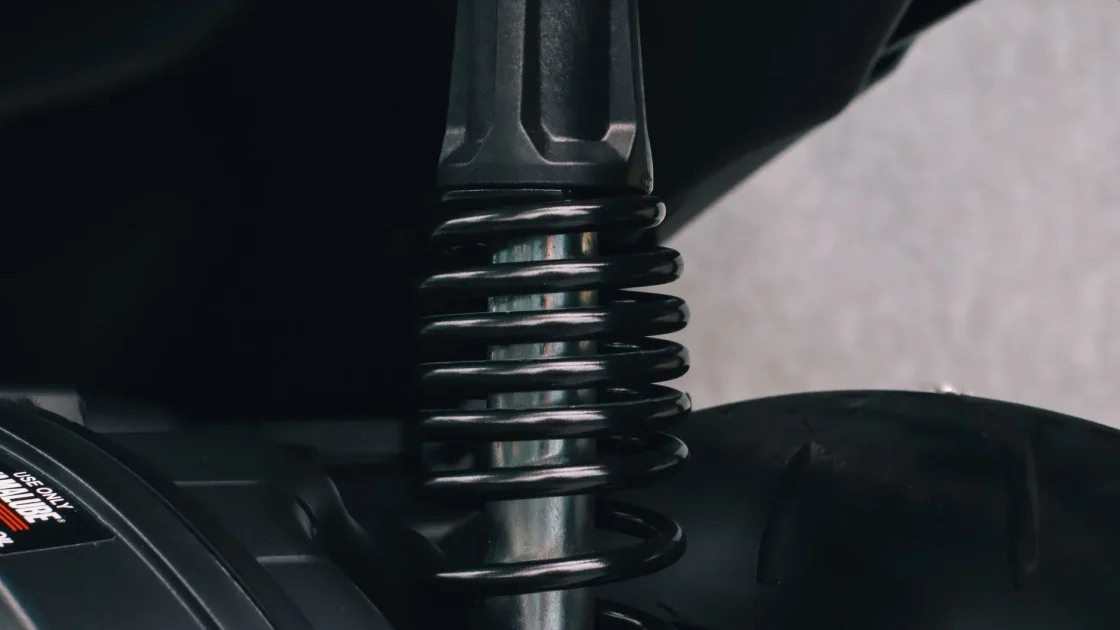
Ride height is simply how high the body sits above the road, set by the springs and suspension. When it is correct, the sensors point exactly where their calibration expects. Drop the front an inch because the springs are tired, and the whole front of the car noses down, tilting the camera and radar to aim differently than they were calibrated to.
This is why the guidance on calibration after new tires or suspension exists, and why the topic keeps surfacing whenever suspension work is done. The relationship is direct: change the ride height, change the sensor aim. For the full context of where calibration fits overall, the complete guide to ADAS calibration lays out the whole process.
Tip
Before you blame the camera for a stubborn warning, look at how the car is sitting. A visibly low corner, a sagging rear, or a nose-down stance is often the real reason the sensors are unhappy.
The everyday things that change ride height
What surprises people is how many ordinary situations alter ride height without any lift kit or lowering springs involved. You do not have to modify anything to knock the sensors off their reference.
Worn or sagging springs are the slow one. Over years, springs settle and lose a little height, especially at the rear on a car that regularly hauls weight. It happens gradually enough that you never notice the stance change, but the sensors do, and one day a lane or collision warning starts appearing for no obvious reason.
A heavy load is the sudden one. Fill the trunk with tools, load the bed, or hitch a loaded trailer, and the back squats while the front lifts. That see-saw tilts the forward sensors up, which is exactly the wrong direction for a radar trying to read the road ahead. The rundown of signs your ADAS needs recalibration covers the behavior this produces.
And the simplest one of all is tire pressure. Soft tires lower the car, and uneven pressure lowers it unevenly. It is the most common overlooked cause I ran into, and correcting it sometimes made a warning disappear on its own. The steps on resetting the tire size for ADAS accuracy are worth knowing too, since tire dimension changes ride height in the same way.
- Springs that have settled and lowered the car over time.
- A heavy load in the trunk, bed, or a loaded trailer that squats the rear.
- Soft or unevenly inflated tires dropping one or more corners.
- Worn shocks or struts letting the car sag or sit unevenly.
- Aftermarket suspension that changed the height on purpose.
Why a good repair can still fail calibration
Here is a scenario that frustrates people. A shop does everything right, sets up the calibration correctly, and the routine still fails or the systems still misbehave afterward. Often the missing piece is ride height. If the car is sitting wrong during the calibration, the sensors get aimed to a reference that does not match how the car sits the rest of the time.
This is why a careful calibration starts by confirming the car is at its proper ride height, tires correctly inflated, no unusual load on board. Calibrate a car that happens to have a trunk full of gear, and you have taught the sensors to trust a stance that vanishes the moment the trunk is emptied. When a calibration will not complete at all, the troubleshooting in why calibration fails and what to do often traces straight back to a ride-height problem.
The lesson I took from the bay is that ride height is not a detail you check at the end. It is a precondition you confirm at the start, before the targets ever go up.
Watch out
Do not calibrate a car that is carrying an unusual load or sitting on soft tires. The sensors will be aimed to a temporary stance, and the systems will misread the road once the car returns to normal. Fix the ride height first, then calibrate.
How to keep ride height from breaking your ADAS
The good news is that ride height is largely within your control, and keeping it right is mostly ordinary maintenance. Here is the routine I would follow.
-
Keep tire pressure correct
Set all four tires to the door-jamb specification and check them regularly. This alone prevents a large share of ride-height-related warnings.
-
Watch for a sagging stance
Glance at how the car sits from a distance now and then. A dropped corner or a squatting rear is a sign the suspension has settled and the sensors may be affected.
-
Unload before you calibrate or worry
Empty heavy cargo from the trunk or bed before assuming a warning is a fault, and certainly before any calibration appointment.
-
Address worn suspension
If springs or shocks are tired enough to change the ride height, fixing them is part of keeping the ADAS honest, and a recalibration should follow the repair.
This connection between how a car sits and how its safety systems perform is one reason regulators emphasize proper vehicle condition. The Insurance Institute for Highway Safety keeps useful background on how much these systems reduce crashes when they are working as intended, which is a fair reminder of why the reference height matters: IIHS advanced driver assistance.
So the next time a driver-assist warning appears and you are tempted to blame the camera, take a step back and look at the whole car. Is it sitting level? Are the tires up to pressure? Is the trunk loaded? Ride height is the quiet variable underneath every calibration, and more often than people expect, getting the car back to its proper stance is what puts the sensors back on their mark.
Frequently asked questions
ADAS sensors are aimed at the factory ride height, so that height is the reference their calibration is built on. When the car sits lower, higher, or lopsided, the sensors still point the way they were set, but the road is now at a different angle beneath them. That mismatch makes the camera and radar misread the road and can trigger driver-assist warnings.
Yes. Loading the trunk, bed, or a trailer squats the rear and lifts the front, tilting the forward camera and radar up and away from where they were calibrated. That can cause lane and collision systems to misbehave or throw warnings. Unloading the extra weight often restores normal behavior, which is why you should never calibrate a car carrying an unusual load.
They can, and it happens gradually enough that you may not notice. As springs settle over years they lower the car, usually at the rear, which tilts the sensors off their calibrated aim. One day a lane or collision warning starts appearing for no obvious reason. Restoring the correct ride height with fresh suspension and a recalibration fixes it.
A common reason is ride height. If the car is sitting wrong during calibration, from soft tires or a loaded trunk, the sensors get aimed to a stance that does not match how the car normally sits. A careful calibration confirms the correct ride height first, with tires inflated and no unusual load, before the targets go up.
Keep reading
Related guides
Why a Windshield Swap Needs Recalibration
Your forward camera rides on the windshield, so swapping the glass means the camera has to be recalibrated before you drive away.
Read guide
Static vs Dynamic ADAS Calibration
Static calibration uses targets in a bay, dynamic uses a road drive, and your car's design decides which one it needs.
Read guide
How Much Does ADAS Calibration Cost?
A former tech breaks down real ADAS calibration prices, from a simple road drive to a multi-sensor job on a luxury car.
Read guide