ADAS Light On After Tire Rotation
When a rotation is harmless, when a hidden alignment is the real cause, and how to tell the difference.


Key takeaways
- A plain tire rotation does not touch cameras or radar, so a light after one is often coincidence.
- The real triggers are wrong pressures, a bundled alignment, a tire size change, or a lost steering zero.
- A reset and a clean drive cycle clears an unrelated light and confirms the tires were not to blame.
- If the shop also aligned the car or fitted a new size, treat the light as a real recalibration need.
You get your tires rotated, drive off feeling responsible about vehicle maintenance, and an ADAS light pops up on the dash. Naturally you connect the two. The tires were just touched, now there is a warning, so the tire shop must have caused it. Sometimes that is exactly right, and sometimes it is pure coincidence. Let me untangle which is which, because the answer changes what you should do about it.
I will handle this as a straight question and answer, since that is how it lands in real life: a driver, a fresh set of rotated tires, and a light that was not there this morning.
Can a tire rotation actually trigger an ADAS light?
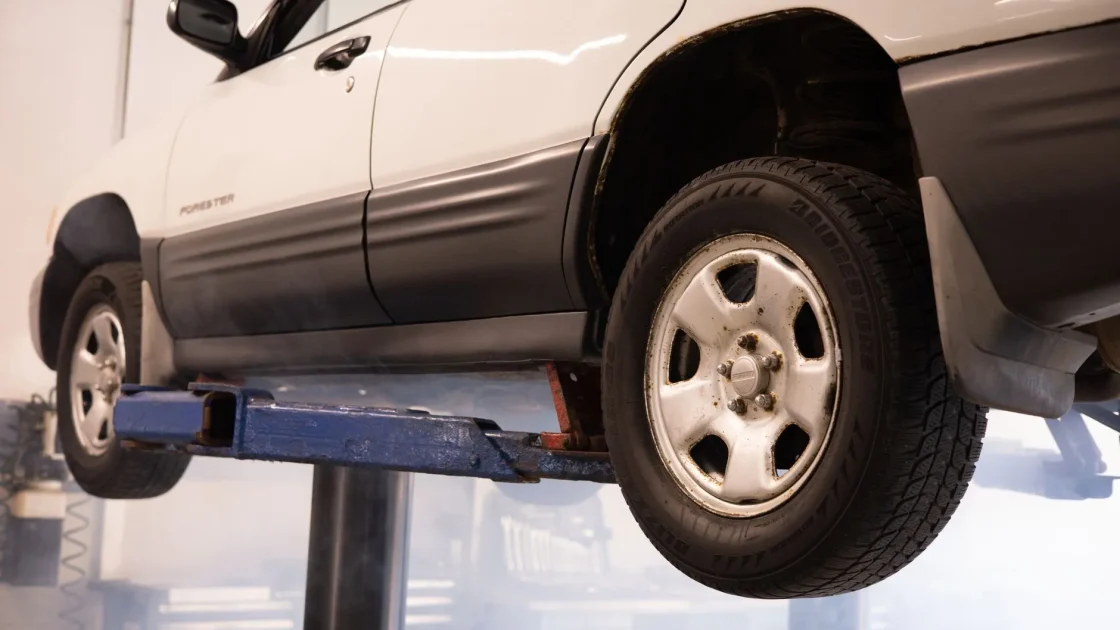
Yes, but usually indirectly. A plain rotation, moving each tire to a different corner, does not touch your cameras or radar. What it can disturb is the data those systems rely on, and there are a few real mechanisms.
The most common is tire pressure. If the shop set your pressures differently, or the change in weather and handling nudges the car’s ride height and rolling behavior, some ADAS systems get fussy. A steering angle relearn can also drop out if the car was on a lift and the wheels were turned. And if the rotation was bundled with an alignment, that genuinely can require recalibration.
So the honest answer is: a rotation by itself rarely causes a real ADAS fault, but the things that often happen alongside it can. The trick is figuring out which one you are dealing with.
Quick distinction
A tire rotation moves your existing tires around. An alignment adjusts the suspension angles. A new tire fit changes rolling diameter. These are different jobs with very different effects on ADAS, and shops sometimes do more than one in a single visit.
Is it just a coincidence?
Very often, yes. ADAS lights come on for their own reasons all the time: a dirty windshield camera, low sun, a bit of rain, a passing electrical glitch. The tire shop visit can line up with one of those by pure chance, and the timing tricks you into blaming the rotation.
The quickest way to test the coincidence theory is a reset and a drive. Clean your windshield and sensors, then drive a normal cycle on a clear road. If the light clears and stays gone, it was almost certainly unrelated to the tires. The order to follow is in how to clear an ADAS warning light, and completing a proper drive cycle is often all it takes.
I had a customer bring in a Mazda convinced the tire shop had wrecked her lane keep. The rotation was genuinely rotation only. The real problem was a smear of bug residue right over the forward camera that had nothing to do with the tires and everything to do with a long highway trip the week before. Two minutes with a cloth and a short drive, and the light was gone. Timing had simply fooled her.
That is the pattern more often than not. The tire visit is the last thing you did to the car, so it gets the blame, but the actual cause is something small and unrelated that happened to surface on the same day. Rule out the free, coincidental causes before you assume the shop did anything wrong.
When the tires really are the cause
There are specific cases where the rotation, or what came with it, is the genuine culprit. Here is how to spot them.
| What happened | ADAS effect | What to do |
|---|---|---|
| Pressures set uneven or wrong | TPMS or handling-based warning | Reset pressures, TPMS relearn |
| Alignment done with rotation | Steering or camera recalibration | Relearn or recalibrate |
| New tires, different size | Speed and distance data off | Update tire size in system |
| Wheels turned on the lift | Steering angle reference lost | Steering angle relearn |
The tire size case is the sneaky one. If you did not just rotate but actually fitted different tires, the car’s speed and distance calculations can drift, and ADAS features that depend on accurate speed start to complain. That is a real, specific fix, covered in resetting the tire size for ADAS accuracy. And if new tires came with fresh suspension or alignment work, the broader picture is in calibration after new tires or suspension.
Watch out
Ask the shop exactly what they did. Rotation only is low risk. If they say they also aligned the car or fitted a different tire size, that changes everything, and the light is probably a real recalibration need, not a glitch to clear.
What about the alignment angle?
This is where a rotation visit most often turns into a real ADAS job. Many shops upsell an alignment alongside a rotation, and an alignment moves the car’s thrust and steering geometry. That can shift the forward camera’s sense of straight ahead and require recalibration, and it commonly resets the steering angle zero.
If your paperwork shows an alignment, the light is likely legitimate. Whether it needs a full camera recalibration or just a steering relearn depends on the car, and that distinction is laid out in whether you need calibration after alignment. Do not just clear this kind of light and forget it, because a miscalibrated camera can misjudge lane position.
How I would work through it
Put together, here is the checklist I would run if an ADAS light appeared right after a tire visit.
- Ask the shop precisely what they did: rotation only, alignment, or new tires. This one answer usually solves the mystery.
- Check and correct tire pressures to the door-jamb spec, then let TPMS relearn on a drive.
- Clean the windshield and sensors, then complete a normal drive cycle to rule out coincidence.
- If an alignment or tire size change was involved, treat the light as a real recalibration or relearn, not a glitch.
- If the light returns after all that, look at the broader signs your ADAS needs recalibration and book a proper check.
For a neutral reference on how these systems depend on accurate vehicle data, Consumer Reports keeps an accessible overview of driver-assist features: Consumer Reports on ADAS.
So, should you worry?
An ADAS light after a tire rotation is usually harmless if the work was truly rotation only. Reset it, drive a clean cycle, and it typically clears. The moment an alignment or a tire size change enters the story, take it seriously, because then the light is telling you a sensor or the car’s speed data needs to be brought back into agreement. Ask what the shop actually did, and the right response almost always follows from that single answer.
Frequently asked questions
A plain rotation rarely does on its own, since it does not touch cameras or radar. What causes lights are the things that often come with it: wrong tire pressures, a bundled alignment, a different tire size, or the steering angle zero dropping out when wheels are turned on the lift. Ask the shop exactly what they did.
First correct the tire pressures to the door-jamb spec and let TPMS relearn. Then clean the windshield and sensors and drive a normal cycle. If the light clears and stays gone, it was unrelated to the tires. If an alignment or tire size change was involved, treat it as a real recalibration rather than something to simply clear.
Often, at least a steering angle relearn, and sometimes a full forward camera recalibration. An alignment moves the car's steering geometry, which can shift the camera's sense of straight ahead. If your tire visit included an alignment and a light appeared, the warning is likely legitimate and should not just be cleared and ignored.
If you fitted a different tire size, the car's speed and distance calculations can drift, and features that rely on accurate speed may disable themselves. This needs the tire size updated in the system, not just a code clear. If new tires came with suspension or alignment work, a recalibration is likely needed too.
Keep reading
Related guides
Does Disconnecting the Battery Reset ADAS?
The battery-pull myth, answered straight: what it clears, what it cannot, and when it is worth trying.
Read guide
When a Reset Won’t Work: Next Steps
When the light keeps returning no matter what you try, here is what is actually going on.
Read guide
Parking Sensors Beeping for No Reason
Track down phantom beeps in order: clean the pucks, check the bumper, then rule out a failed sensor.
Read guide