When a Reset Won’t Work: Next Steps
When the light keeps returning no matter what you try, here is what is actually going on.

Key takeaways
- A reset that will not hold means the underlying fault is still present, not that the reset failed.
- The most common reason is a sensor that needs recalibration, which no reset can fix.
- Blocked sensors, low battery voltage, and stored hardware faults all defeat a simple reset.
- When a reset fails repeatedly, a proper scan and calibration is the honest next step.
You did everything right. You cleaned the sensors, you cleared the code, maybe you disconnected the battery for good measure, and the light went off. Then you drove down the street and it came right back, staring at you like nothing had happened. It is one of the most frustrating things a car can do, and it makes people feel like they are doing something wrong.
You probably are not. After years of calibrating these systems, I can tell you that a reset which refuses to hold is almost never a failed reset. It is a reset working perfectly on a problem that a reset cannot fix. The light is not stubborn, it is honest. Something is still wrong, and the car keeps telling you.
So let me walk through why an ADAS reset does not stick, in the order I would actually check, and what your genuine next steps are when clearing the code is not enough.
A reset does not repair anything
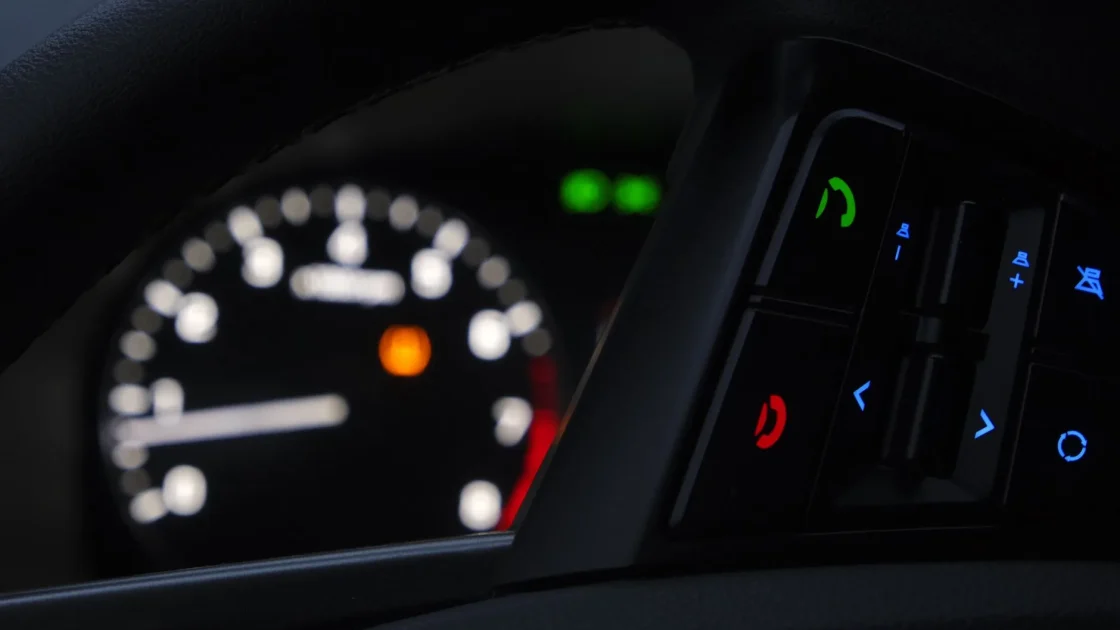
This is the misunderstanding at the heart of it. Clearing a code erases the record of a fault. It does not touch the condition that created the fault. If that condition is still there when the system runs its next self-check, it writes the code again and relights the dash.
Picture a warning light as a note the car leaves itself. You can tear up the note, but if the reason for the note has not changed, the car writes a new one the moment it looks. That is exactly what happens when a reset does not hold. The reset succeeded. The problem outlived it.
So when the light returns, stop thinking “the reset failed” and start thinking “what is still broken that the reset cannot reach.” That shift in framing is what actually gets these solved. The general methods live in the guide on how to clear an ADAS warning light, but clearing is only step one.
Reframe it
A reset that will not hold is not a broken reset. It is proof the underlying fault is still active. The car re-checks, finds the same problem, and relights on purpose.
Reason one: the sensor needs recalibration
This is the big one, the cause behind most resets that will not stick. If a camera or radar is physically aimed wrong, the module knows its data cannot be trusted, and it will flag that every single time regardless of how many times you clear it.
Recalibration is needed after a windshield replacement, a bumper repair, an alignment, a suspension change, or new tires that shifted things. The sensor itself is fine. It is just pointed a degree or two off, and that is enough to make the system reject its own readings. No reset on earth re-aims a sensor. Only a calibration does that, with targets and a scan tool.
If your light started after any of those events, you have almost certainly found your answer, and no amount of resetting will change it. The complete guide to ADAS calibration lays out what the process involves, and the piece on why a windshield swap needs recalibration covers the most common trigger of all.
Reason two: a sensor is still blocked
Sometimes the reset does not hold for the simplest possible reason. The thing blinding the sensor is still there. You cleared the code, but the mud on the radar, the film on the windshield camera, or the ice over the emblem never actually came off.
The system re-checks, still cannot see, and relights immediately. This is the easiest cause to rule out and the one people skip because they assume they already cleaned everything. Go back and clean the exact spot each sensor sits, then drive a cycle. The guides on what blocks your ADAS camera and fixing a front radar blocked message show precisely where to look.
Watch out
Do not keep resetting a light that keeps returning and then drive as if the feature works. If a reset will not hold, that safety system is almost certainly not functioning correctly. Treat the feature as off until the real cause is found and fixed.
Reason three: battery voltage and power
ADAS modules are fussy about voltage. A weak 12-volt battery, a bad ground, or low voltage during the reset itself can cause a clear to fail or a fault to reappear. I have seen resets that would not hold purely because the battery was on its last legs and the modules kept browning out.
If your battery is old or the car has been sitting, test the voltage before you chase anything more exotic. And if you reset by disconnecting the battery, know that this can create as many quirks as it solves, which the guide on whether disconnecting the battery resets ADAS explains in detail. Sometimes the fix is simply a healthy battery and a proper relearn drive.
Reason four: it needs a real drive cycle, not just a clear
Some systems will not fully clear and confirm themselves until they complete a specific pattern of driving. If you clear the code and immediately look for the light to be gone forever, you may be judging too early. The module needs to run its self-checks over a proper cycle first.
Doing a correct drive cycle gives the system the conditions it needs to verify itself and drop the light for good. The walkthrough on what a drive cycle is and how to do it shows how to trigger that so a borderline light finally settles.
What to do when nothing holds
If you have ruled out blocked sensors, confirmed the battery is healthy, done a proper drive cycle, and the light still will not stay off, it is time to stop resetting and start diagnosing. Here is the order I would follow.
- Re-clean the exact sensor spots and drive a full cycle to rule out a lingering block.
- Test the 12-volt battery and charging system for weak voltage.
- Recall any recent windshield, bumper, alignment, suspension, or tire work, which points straight to calibration.
- Get a proper scan that reads manufacturer-specific codes, not just generic ones.
- Have the sensor recalibrated if the codes point to aim or calibration status.
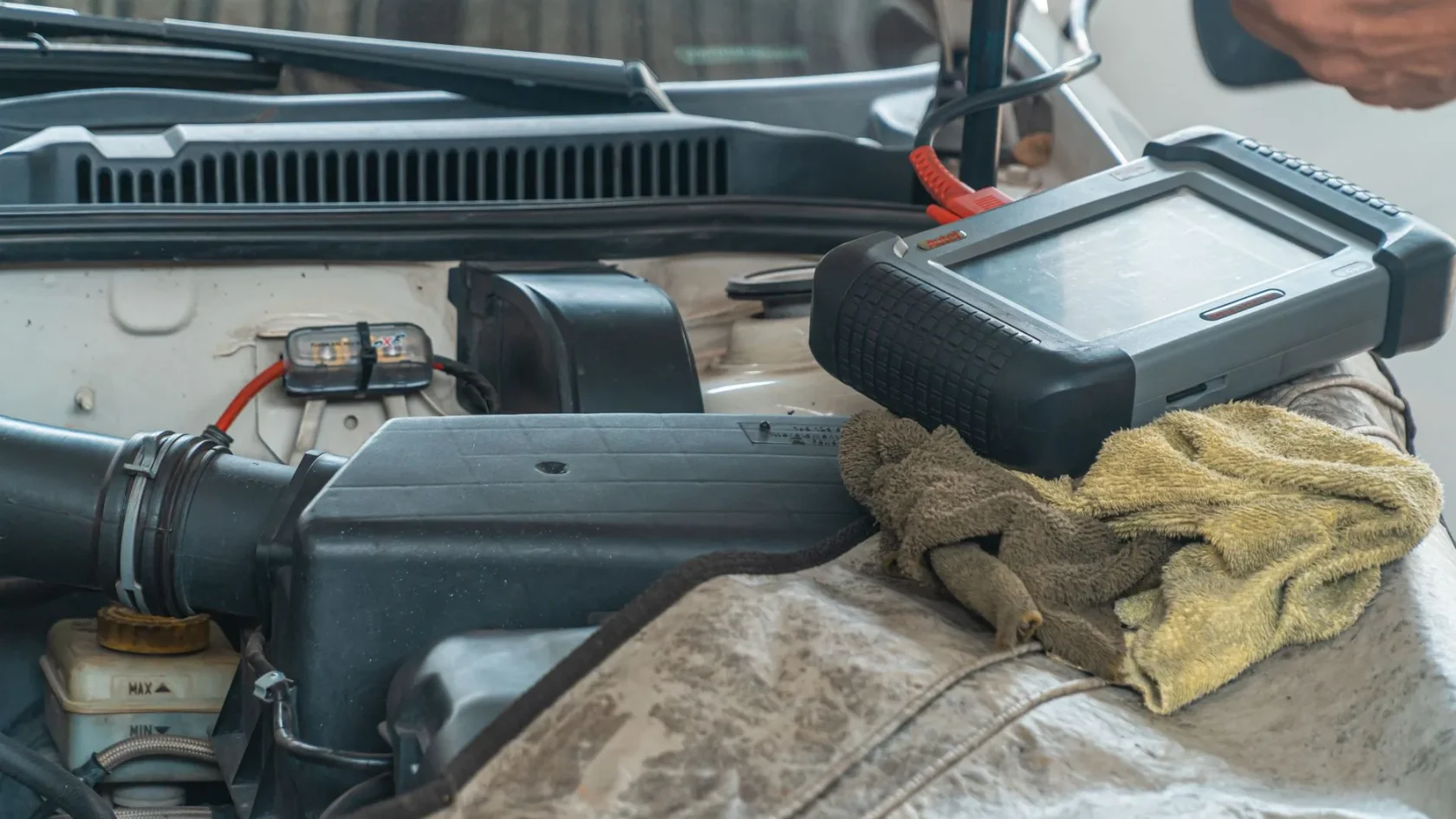
A shop-grade scan tool reads the specific fault stored in the module, which tells you whether you are dealing with a calibration status code, a blocked-sensor code, or a genuine hardware failure. That single piece of information ends the guessing. If it turns out to be a failed sensor, the overview on how ADAS sensors fail over time explains what replacement involves.
For context on why these systems are worth keeping fully functional rather than living with a light, the Insurance Institute for Highway Safety keeps clear data on how much they cut crashes: IIHS advanced driver assistance.
The takeaway I want you to carry away is simple. A reset that will not work is not a mystery and it is not your mistake. It is the car refusing to pretend a real problem is solved. Find what the reset cannot reach, usually a calibration or a stubborn block, fix that, and the light will finally stay off the way it should.
Frequently asked questions
Because the reset erased the code but did not fix the cause. The system runs a self-check, finds the same problem still present, and writes the code again. The most common reason is a sensor that needs recalibration after a windshield, bumper, or alignment job, though a still-blocked sensor or weak battery can also defeat a reset.
No. A reset only clears the stored code. If a camera or radar is physically aimed wrong, the module knows its data cannot be trusted and will flag it every time regardless of how often you clear it. Only a proper recalibration with targets and a scan tool re-aims the sensor and lets the light stay off.
Yes. ADAS modules are sensitive to voltage, and a weak 12-volt battery or a bad ground can cause a reset to fail or a fault to reappear. If your battery is old or the car has been sitting, test the voltage before chasing anything else. Sometimes a healthy battery and a proper relearn drive is all it takes.
Once you have re-cleaned the sensors, confirmed the battery is healthy, completed a proper drive cycle, and the light still will not stay off, stop resetting and get a proper scan. A shop-grade tool reads the manufacturer-specific code that tells you whether it is a calibration issue, a block, or a hardware failure, which ends the guessing.
Keep reading
Related guides
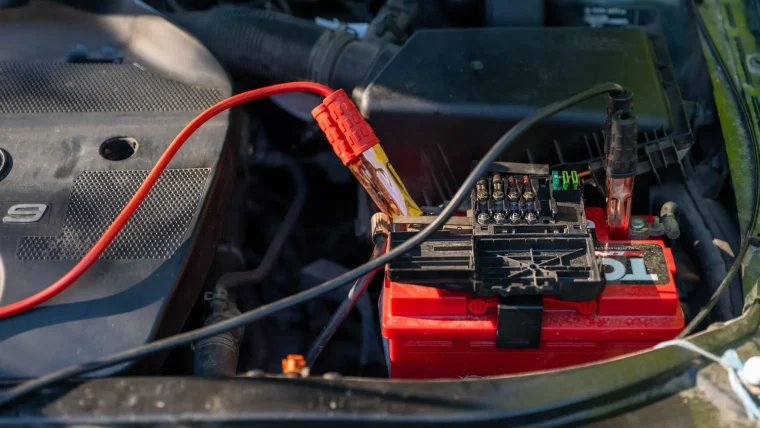
Fix ADAS Errors After a Dead Battery
Why a jump start lights up half your dash, and the driveway steps that bring the systems back.
Read guide
Fix Clean Front Camera on Your Car
Find the camera, wipe the right patch of glass on both sides, and clear the warning yourself.
Read guide
Adaptive Cruise Not Working: What to Check
Check the conditions, clean the front radar, drive a cycle, then reach for a scan or calibration.
Read guide