Why a Windshield Swap Needs Recalibration
Your forward camera rides on the windshield, so swapping the glass means the camera has to be recalibrated before you drive away.

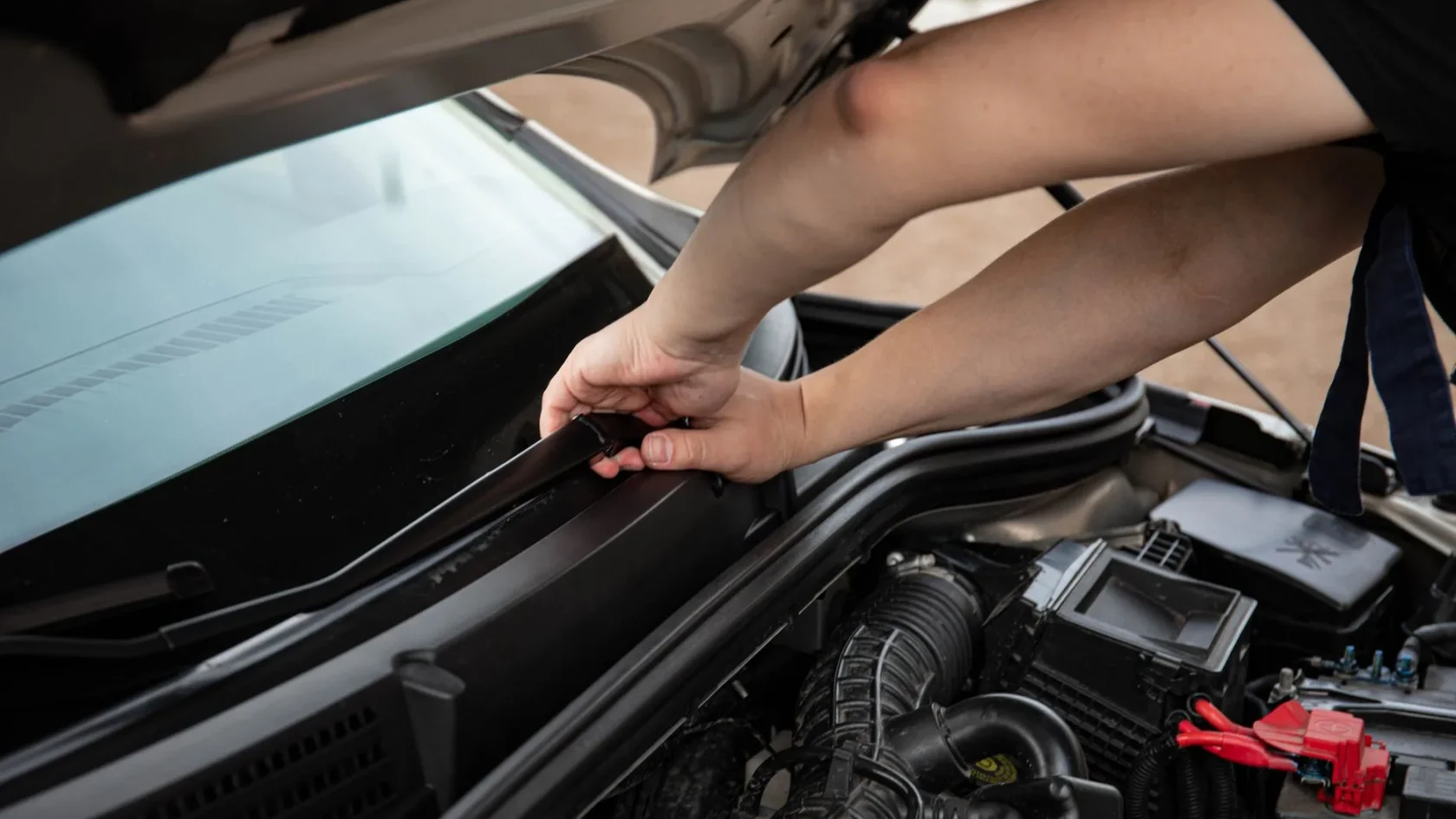
Key takeaways
- The forward ADAS camera is mounted to the windshield, so replacing the glass changes its exact aim.
- A miscalibrated camera keeps working but misjudges lanes and distances in the moments that matter most.
- Your car may need static calibration, dynamic calibration on the road, or both after glass work.
- Confirm the calibration is included and ask for a scan report proving the camera passed.
Here is a scene I watched play out dozens of times. A driver gets a chipped windshield replaced, drives away happy, and a day later the dash lights up with a lane-departure warning that will not clear. They assume the glass shop broke something. Nothing is broken. The car simply lost track of where its eye is pointing.
Most people have no idea their forward camera lives on the windshield. It sits up behind the rearview mirror, staring through a small clean patch of glass, reading lane lines and the traffic ahead. Swap the glass, and that camera is now looking through a slightly different window at a slightly different angle. Until someone recalibrates it, the car is guessing.
I calibrated a lot of cars after glass work, and this is the explainer I give friends before they book a windshield job. I will show you why the camera cares about the glass, what happens if you skip the step, and how to make sure the calibration actually gets done rather than quietly forgotten.
Why the camera lives on the glass
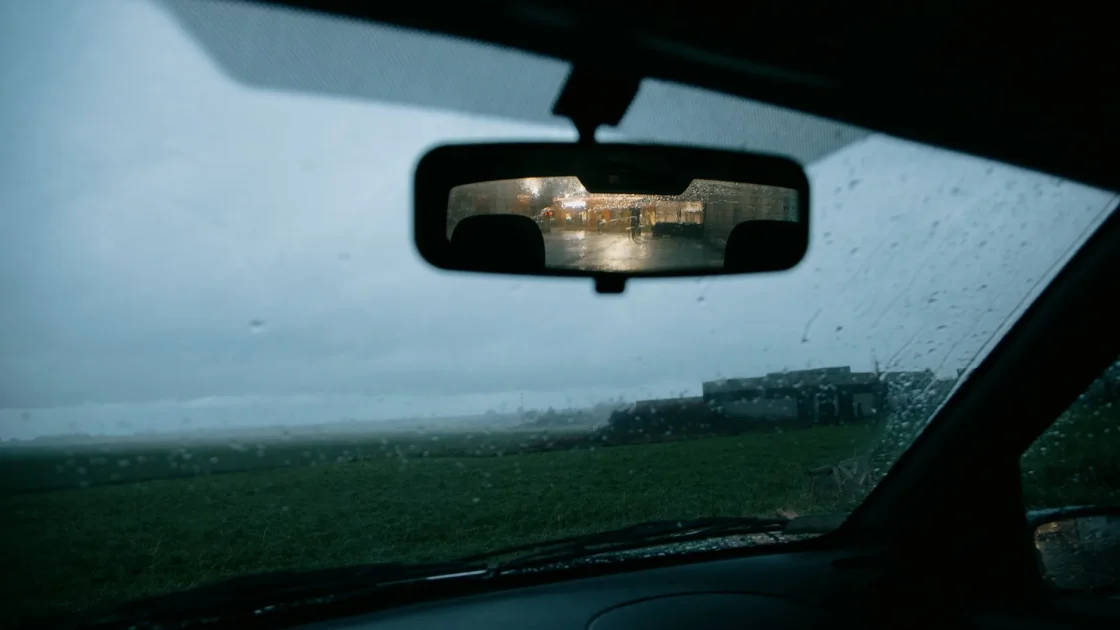
The forward-facing ADAS camera is mounted to a bracket bonded to the inside of the windshield, tucked behind the mirror so it stays out of your view. From there it watches the road through the glass and feeds lane keeping, automatic emergency braking, traffic sign recognition, and often adaptive cruise. If you have ever wondered about that little housing, the guide on the camera behind your rearview mirror shows exactly what is up there.
That camera is aimed with real precision at the factory. It expects a specific thickness of glass, a specific curve, and a specific angle to the road. It was calibrated once for the exact windshield it started life with.
When the glass is replaced, three things change at once. The new windshield may differ slightly in thickness or optical properties. The camera bracket comes off and goes back on, never landing in the identical spot down to the degree. And the fresh bond can seat the camera at a hair of a different angle. Any one of those is enough to throw the aim off. All three together make recalibration a near certainty.
There is one more wrinkle worth knowing. The camera looks through a small area of glass that has to stay optically clean and distortion free. A cheaper replacement windshield can carry tiny ripples in exactly that zone, and even the wrong shade or thickness of the bonding material can bend the camera’s view a touch. A good glass shop uses a windshield that meets the camera’s spec, not just any pane that fits the opening, because the camera is fussier about what it sees through than your eyes ever are.
What goes wrong if you skip it
A miscalibrated camera does not fail loudly. That is the danger. It keeps running, but it measures the road from a slightly wrong vantage point, and the systems that trust it inherit the error.
Lane keeping might nudge you toward the shoulder because the camera thinks the lane sits a few inches from where it really is. Automatic emergency braking might read distances wrong and brake late, or brake at a shadow. Traffic sign recognition might miss signs entirely. None of it announces itself as broken, which is exactly why it is worth taking seriously. The full picture is in what happens if you skip calibration.
Watch out
A car that drives normally after a windshield swap is not proof the camera is aimed right. The error only shows up in edge cases, exactly when you need the system most. Do not treat the absence of a warning light as a passing grade.
Sometimes the car does flag it. If a lane departure light appears and stays on after glass work, that is the camera telling you it no longer trusts its own aim. The guide on resetting a lane departure warning light explains why a simple reset will not fix a calibration problem.
Static, dynamic, or both
After a windshield replacement, your car needs one of two calibration methods, and sometimes both. Which one depends on the make.
Static calibration puts the car in front of precise target boards in a controlled bay and teaches the camera its aim from those targets. Dynamic calibration sends the car out on a measured drive so the camera relearns from real lane lines. Some vehicles need the static setup first and then a confirming drive. The differences, and which cars lean which way, are covered in static versus dynamic ADAS calibration.
This matters for your appointment because a dynamic calibration needs decent weather and clearly marked roads. If it is snowing or the lane paint is worn, the drive can fail and you may have to come back. Ask the shop which method your car uses so you know what to expect.
Making sure it actually happens
The biggest mistake I see is the calibration getting lost in the shuffle. Some glass shops calibrate in-house, some sublet it to a partner, and some hand you the keys and say nothing at all. That last group is the problem.
- Before booking, ask whether calibration is included in the windshield quote or billed separately.
- Confirm whether they calibrate on site or send the car elsewhere.
- Ask for a post-calibration scan report showing the camera passed.
- If they cannot explain how they will recalibrate the camera, book somewhere that can.
The cost is real and worth budgeting for. A camera calibration after glass work typically adds $150 to $300 to the windshield bill, more on some brands. The breakdown by scenario is in how much ADAS calibration costs, and if the chip came from a covered event, your insurer may pick up both the glass and the calibration.
For the safety context behind all this, the National Highway Traffic Safety Administration keeps a plain overview of what these camera-based systems do and why their accuracy matters: NHTSA driver assistance technologies.
My advice is simple. Treat a windshield replacement as a two-part job, glass and camera, not just glass. The new windshield is the easy half. The camera behind it is the half that keeps your lane keeping honest and your automatic braking pointed at the right car. Book the calibration in the same breath as the glass, and drive away with a scan report in hand rather than a hope that it will sort itself out.
Frequently asked questions
If your car has a forward-facing camera mounted on the windshield, which most vehicles built in the last several years do, then yes. Removing and refitting the glass changes the camera's exact aim, so it must be recalibrated. A rare older car without a windshield camera would not need it, but any vehicle with lane keeping or camera-based automatic braking does.
You can drive the car, but the affected systems may be disabled or unreliable, so you are effectively driving without them. More importantly, the systems could behave incorrectly rather than simply switching off. Get the calibration done promptly, and in the meantime treat lane keeping and automatic braking as if they are not there.
Often yes. When the glass replacement is covered by a comprehensive claim, many insurers also cover the required calibration as part of restoring the vehicle. Confirm it with your adjuster and make sure the glass shop lists the calibration on the invoice, since a camera calibration typically adds $150 to $300 to the job.
A dynamic calibration usually means 30 to 60 minutes of driving on well-marked roads, while a static calibration with targets can take an hour or more in the bay. If your car needs both, plan for the shop to have it for a couple of hours. Bad weather or worn lane paint can force a dynamic calibration to be repeated.
Keep reading
Related guides
Mobile ADAS Calibration: Is It Reliable?
When a technician in your driveway is every bit as accurate as a shop, and when the physics say otherwise.
Read guide
Ride Height and ADAS Calibration
Why the height your car sits at is the hidden reference behind every camera and radar calibration.
Read guide
Calibration After New Tires or Suspension
A former calibration tech explains the surprising link between your tires, your springs, and your cameras.
Read guide