Calibration After New Tires or Suspension
A former calibration tech explains the surprising link between your tires, your springs, and your cameras.

Key takeaways
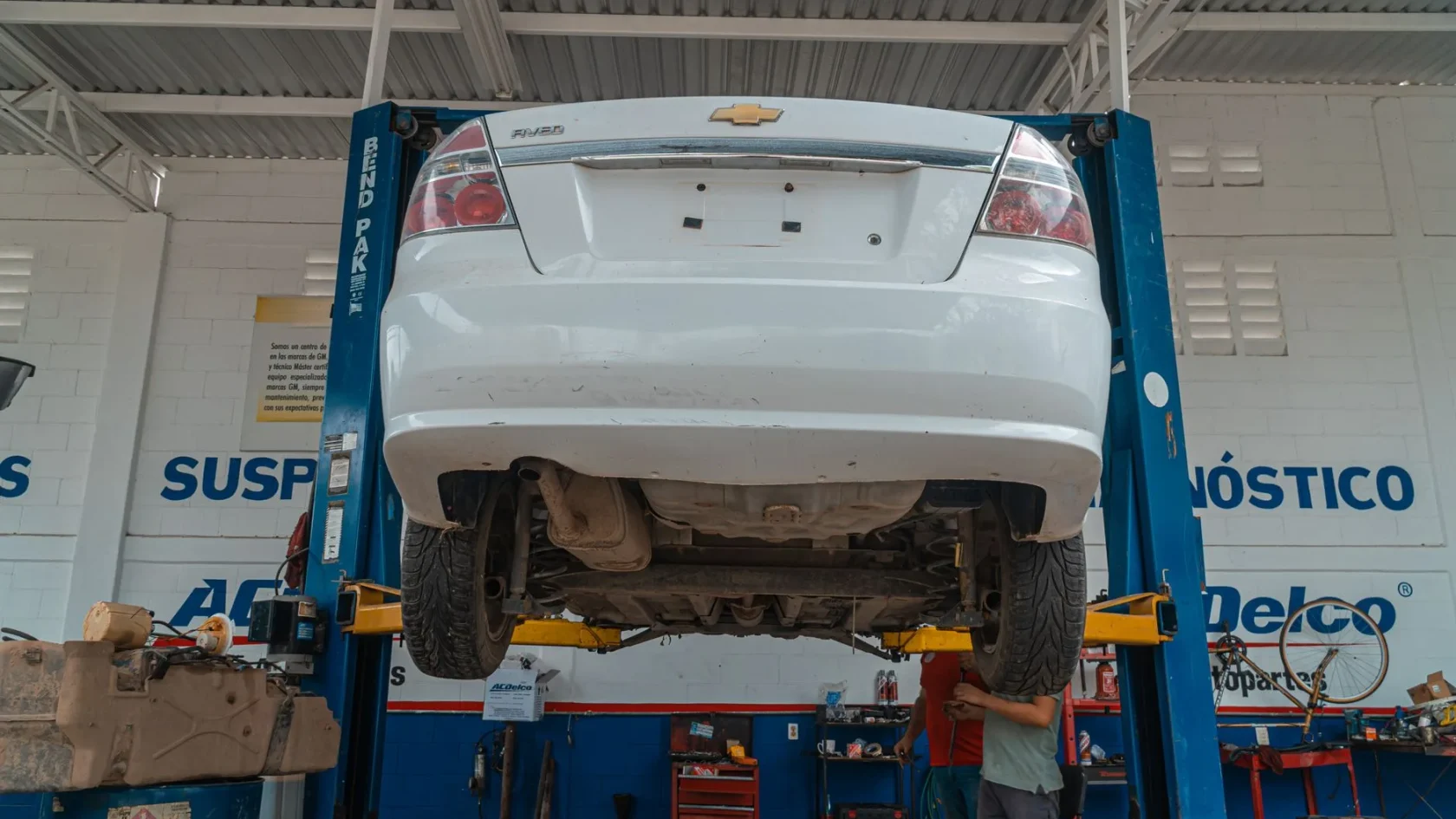
- ADAS sensors reference the car's ride height and centerline, so changing tires or suspension can throw them off.
- A lift, a lowering kit, or even worn-out springs can tilt the forward camera enough to misjudge the road.
- New tires of the wrong size change the car's geometry and the speed data the sensors rely on.
- Suspension work usually needs an alignment first, and the alignment change is itself a calibration trigger.
Tires and shocks feel like a different world from cameras and radar. You change tires because the old ones wore out. You replace suspension parts because the ride got bouncy or a spring broke. None of that seems to have anything to do with the driver-assist systems watching the road. So when I tell people a set of new tires or a suspension job can require ADAS calibration, it sounds like a stretch, maybe even a way to pad the bill.
It is not. After years of calibrating these systems, I can tell you the connection is real and it is physical. Your ADAS sensors do not float in space. They are bolted to a car that sits at a specific height and points down a specific centerline, and they aim relative to that. Change how the car sits, or how it rolls, and you can change where those sensors point without touching the sensors at all.
Let me explain the link clearly, because it is genuinely not obvious. I will cover how ride height affects the camera, how tire size affects the geometry and the data, and when a tire or suspension job actually crosses the line into needing a calibration.
Sensors aim relative to how the car sits
Start with the forward camera, the one behind your windshield that runs lane keeping and feeds automatic braking. It is calibrated to look at the road from a specific height and angle, set when the car sits at its normal ride height.
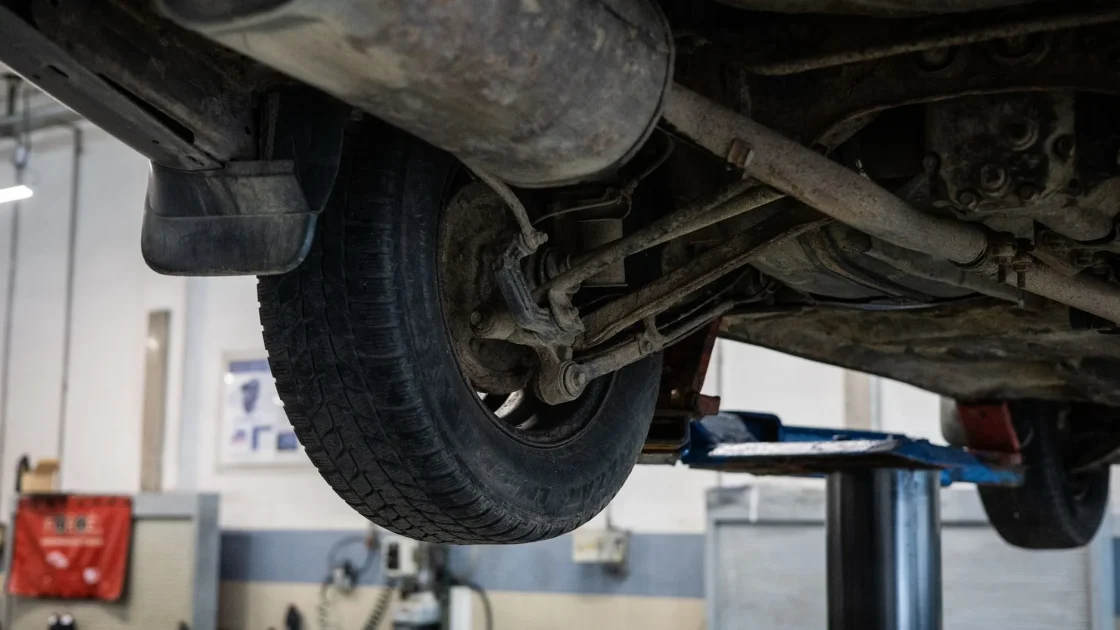
Now drop the back of the car with a heavy load, or lift the whole thing with a suspension kit, or let tired springs sag over the years. The camera’s angle to the road changes. It might now be looking slightly high or slightly low, and it judges distance and lane position based on the angle it expects. A camera aimed even a little off reads the road wrong, the same way it would after a windshield swap. The pillar guide to ADAS calibration covers just how tight that aim needs to be.
The radar behind your bumper has the same sensitivity. It expects to sit at a set height above the ground and point level. Raise or lower the car and the radar’s beam angle shifts relative to the road, which changes where it looks for the vehicle ahead.
The core idea
ADAS sensors do not aim at the road in the abstract. They aim relative to the car’s ride height and centerline. Change how the car sits, and you change where the sensors point, even if you never touch the sensors.
How new tires enter the picture
Tires seem even further removed, but they affect two things the sensors care about: geometry and speed data.
Geometry first. Fitting tires of a different overall diameter changes the car’s ride height and the effective angle of everything mounted to it, including the forward camera. Taller tires lift the car, shorter ones drop it. It does not take much. A noticeably different tire size shifts the whole reference the camera and radar depend on.
Then there is the speed and distance data. Your car calculates speed partly from how fast the wheels turn, and that math assumes a specific tire size. Put on tires with a different rolling circumference and the car’s sense of speed and distance drifts, which feeds bad numbers to systems like adaptive cruise. This is why getting the tire size for ADAS accuracy right matters, and why the wrong size is a genuine problem rather than a cosmetic one. The deeper look at the car radar sensor shows how much it depends on clean distance data.
Suspension work almost always means an alignment
Here is the step that ties it all together and that people forget. Almost any real suspension work throws off the wheel alignment, and the alignment has to be corrected afterward.
Replace struts, control arms, springs, or tie rods, and the angles of the wheels change. The car has to go on an alignment rack to set the camber, caster, and toe back to spec. That part most people understand. What they miss is that the alignment establishes the car’s true centerline, the straight-ahead reference the ADAS sensors use.
When the alignment changes, so does that reference, and the sensors now point relative to a centerline that moved. That is why an alignment is itself a calibration trigger, covered in the guide on calibration after alignment. Do suspension work, get an alignment, and you have very likely created the need for a calibration in the same visit.
Watch out
A shop that does your suspension and alignment but never mentions ADAS calibration may be leaving the job half done. If the alignment moved the centerline, the sensors are now referencing the old one. Ask whether calibration is needed before you pick up the car.
When you actually need calibration
Not every tire or suspension job requires it. Here is how to judge, roughly in order of how likely calibration becomes.
-
Same-size tires, nothing else changed
Replacing worn tires with the identical size, with no suspension work, usually does not require calibration on its own. The geometry did not change.
-
Different tire size or a size change
Going to a taller or shorter tire changes ride height and speed data, and the tire size reference should be updated and the sensors checked.
-
A lift or lowering kit
Deliberately changing ride height is a clear calibration trigger, because you have changed the exact angle every forward sensor aims at.
-
Suspension repair plus alignment
Replacing suspension parts and realigning the wheels moves the centerline, which almost always calls for recalibration afterward.
If you are unsure which bucket you are in, the overview of signs your ADAS needs recalibration helps you spot the symptoms of a sensor working from the wrong reference. For the safety context on why keeping these systems accurate is worth the trouble, the National Highway Traffic Safety Administration keeps a plain overview: NHTSA driver assistance technologies.
The habit worth building
My rule of thumb after all those calibrations is simple. Any time you change how the car sits or how it rolls, ask about calibration before you leave the shop. Same-size tires on a stock car, you are probably fine. Lift kit, lowering springs, new suspension, or a different tire size, put calibration on the list.
The reason is that a tire and suspension shop and an ADAS calibration setup are not always the same place, and it is easy for the calibration step to fall through the cracks between them. Nobody is trying to skip it, it just gets forgotten in the handoff. So you be the one who remembers to ask. It is a cheap question that keeps your cameras and radar aimed at the road you are actually driving on, not the one your car used to sit above.
Frequently asked questions
It depends on the tires. Replacing worn tires with the identical size and no other changes usually does not require calibration on its own. But fitting a different tire size changes the car's ride height and the speed data the sensors rely on, which can throw off the forward camera and adaptive cruise, so the tire size reference should be updated and the sensors checked.
ADAS sensors aim relative to the car's ride height and centerline, both of which suspension work can change. Replacing struts, springs, or control arms alters the wheel angles and usually requires an alignment, and that alignment resets the car's straight-ahead reference. Since the sensors depend on that reference, moving it typically means the forward camera and radar need recalibrating.
Yes, deliberately changing ride height is a clear calibration trigger. Raising or lowering the car changes the exact angle the forward camera and radar aim at relative to the road, so they can misjudge distance and lane position. After any lift or lowering work, the ADAS sensors should be recalibrated to the car's new ride height.
In most cases, yes. If you replace worn tires with the identical size and do no suspension work, the car's geometry and ride height stay the same, so the sensors keep their reference and calibration is usually not needed. The situations that require calibration are a change in tire size, a lift or lowering kit, or suspension repair that moves the alignment.
Keep reading
Related guides

Insurance and ADAS Calibration Costs
What calibration costs on a claim, when insurance pays, and how to avoid getting stuck in the middle.
Read guide
How Much Does ADAS Calibration Cost?
A former tech breaks down real ADAS calibration prices, from a simple road drive to a multi-sensor job on a luxury car.
Read guide
Signs Your ADAS Needs Recalibration
The quiet ways your cameras and radar tell you they have drifted out of aim, long before a hard fault shows up.
Read guide