How Reliable Is Automatic Braking?
What automatic emergency braking really catches, where it misses, and how to keep it trustworthy.

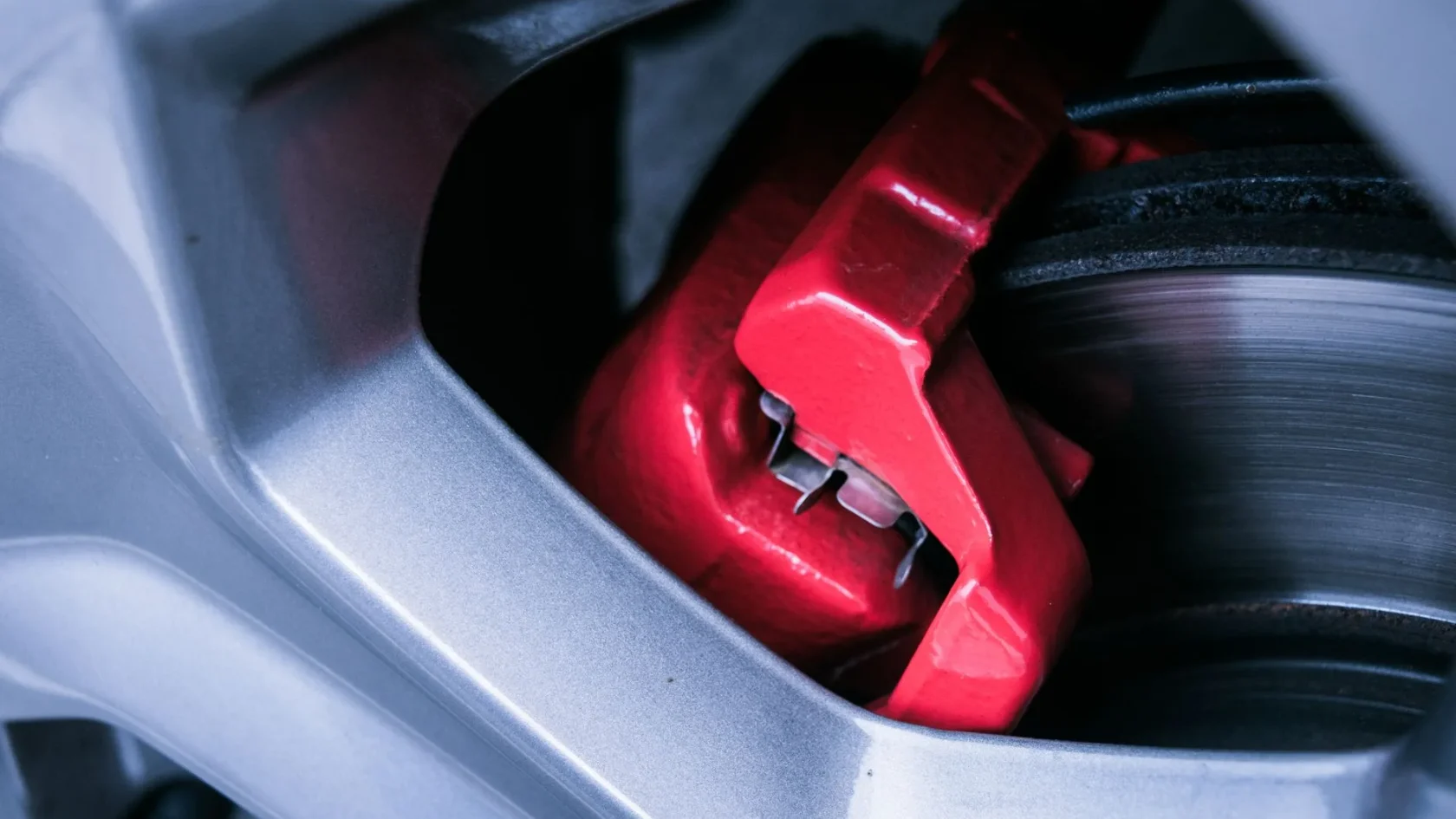
Key takeaways
- Automatic emergency braking is reliable at what it is designed for and has a strong crash-reduction record.
- It works best on clear rear-end scenarios and is weaker on pedestrians, cross traffic, and darkness.
- Dirty or miscalibrated sensors are the top reason a good system starts failing in the real world.
- It is a backup for an attentive driver, not a reason to stop watching the road yourself.
- Keep the camera and radar clean and calibrated and the system stays as reliable as the day it left the factory.
Automatic braking is the driver-assist feature people trust the most and understand the least. They know the car will slam the brakes if they are about to hit something, and they assume that means it always will, in every situation, no matter what. That gap between the assumption and the reality is exactly what I want to close here, because it decides whether the system saves you or surprises you.
I calibrated these forward-facing systems for years, and I can tell you they are genuinely good at their job. I can also tell you precisely where they get weak, why a reliable system suddenly starts failing, and what you can do about it. Reliable is the right word for automatic emergency braking, with an asterisk, and this whole piece is about that asterisk.
Automatic emergency braking, often shortened to AEB, uses a forward camera and usually a radar to watch the road ahead. When it senses an imminent collision and you have not reacted, it brakes for you. Simple in concept, and remarkably effective at the thing it was built for.
How reliable is it, really?
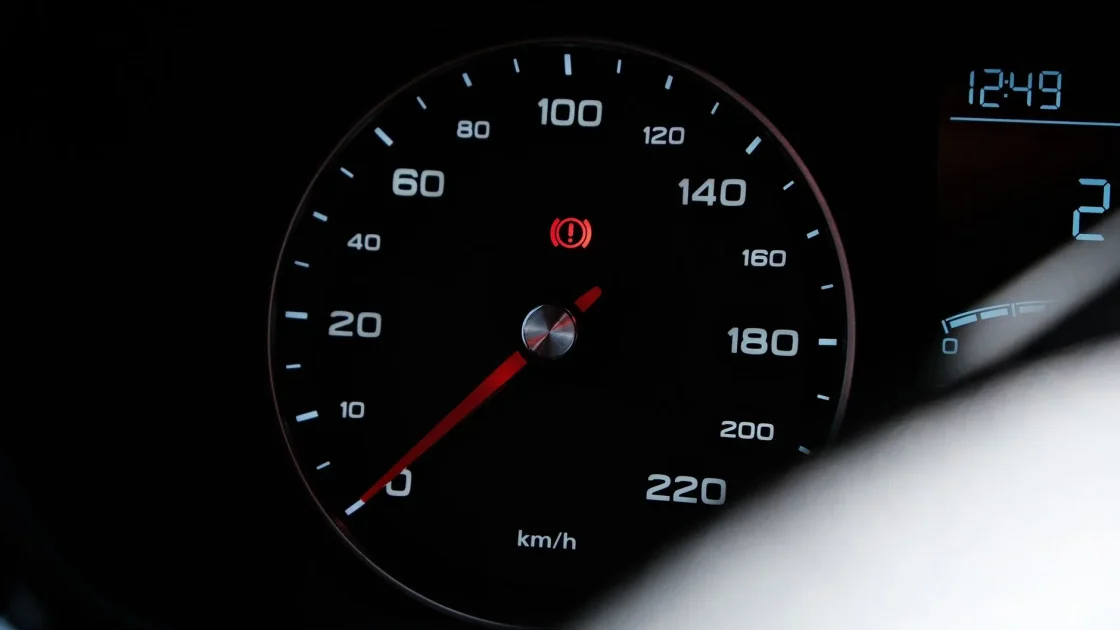
For its core job, preventing or softening rear-end collisions, automatic braking is one of the most reliable safety features ever put in a car. The crash data backs this up strongly, and it is the reason insurers and regulators care about it.
The Insurance Institute for Highway Safety has found that vehicles with forward collision warning and automatic braking see a large drop in rear-end crashes compared to cars without them. That is not a marketing claim, it is real-world crash data across many vehicles: IIHS research on crash avoidance. When a car ahead brakes hard and you are slow to react, this is the system that has your back, and it is very good at it.
So the honest headline is: yes, it is reliable, within its designed limits. The trouble only starts when people assume those limits do not exist. To understand why it performs so well in its wheelhouse, it helps to know how automatic emergency braking works under the hood.
The honest summary
For clear rear-end situations in good conditions, automatic braking is highly reliable. Its weaknesses are specific and predictable: pedestrians, darkness, cross traffic, and poor sensor conditions. Know those and you know exactly when to stay extra alert.
Where it is weakest
Every safety feature has an operating envelope, and knowing the edges of this one keeps you sharp where the car is soft. These are the situations where I would never rely on automatic braking alone.
- Pedestrians and cyclists, especially at night or from the side, are much harder for the system to detect reliably than a car directly ahead.
- Cross traffic at intersections, where a vehicle enters your path from the side rather than being in front of you.
- Darkness, heavy rain, snow, and fog, all of which degrade what the camera and radar can see.
- Very high closing speeds, where even a fast system may only reduce the impact rather than avoid it entirely.
- Small or unusual obstacles, like a low object or an oddly shaped hazard the system was not trained to recognize.
None of this means the system is bad. It means it was designed around the most common and deadly scenario, the rear-end collision, and it is strongest there. Pedestrian detection is improving fast but is not yet as dependable, which is why the guide on how pedestrian detection systems work is worth reading if you drive in town a lot.
The number one reason a good system fails
Here is what I saw over and over in the shop, and it is the single most important thing in this article. A reliable automatic braking system usually does not fail because the technology is flawed. It fails because the sensors cannot see.
The forward radar hides behind your grille or emblem, and a coat of mud, ice, snow, or road salt blinds it. The camera sits at the top of your windshield, and a smear, a chip, or a dirty patch clouds its view. When the sensors are compromised, the system either throws a warning and switches off, or worse, misjudges the road ahead.
I pulled caked-on grime off front radar units that had been silently underperforming for months. The owners had no idea. This is why the reliability of your system is partly in your hands: a clean sensor is a working sensor. If you have seen a message about clearing the radar, the fix for a front radar blocked message is often just cleaning and a short drive. Learning what tends to block your ADAS camera pays off directly in how well the braking works when you need it.
Watch out
A dirty or iced-over sensor can make even the best automatic braking system unreliable without any warning you would notice at a glance. Keep the front radar area and the windshield camera clean, especially in winter, or you are driving without the safety net you think you have.
Calibration: the quiet reliability killer
The other thing that quietly wrecks reliability is a sensor that is out of aim. Automatic braking depends on the camera and radar pointing exactly where the factory set them. Knock that aim off and the system misjudges distance and timing.
This is why events like a windshield replacement, a bumper repair, or even a suspension change matter so much. Replace the glass and the camera behind it needs recalibrating. Repair the bumper and the radar behind it may be off. A sensor that is a degree or two out of alignment will not throw an obvious error, but it will brake too late, too early, or read the wrong lane. The signs your ADAS needs recalibration are subtle, which is exactly what makes them dangerous.
If you have had any front-end work done and the system feels off, do not shrug it away. A miscalibrated braking system is a braking system you cannot trust in the split second that counts.
The mindset that keeps you safe
Here is the framing I give everyone who asks whether they can rely on automatic braking. It is a backup, not a driver. It exists to catch the moment you miss, not to let you stop paying attention.
The drivers who get in trouble are the ones who start trusting the system to do their watching for them. They tailgate a little more, glance at the phone a little longer, and count on the car to save them. When the system hits one of its weak spots, a pedestrian at dusk, a sensor blinded by spray, there is no one watching the road. That is how a safety feature becomes a liability.
Use it the right way and it is one of the best things in your car. Stay attentive, keep your following distance, and let automatic braking be the safety net for the rare moment you genuinely need it. If you want the broader reminder on this, why you still need to pay attention makes the case better than any warning label.
Keeping your system trustworthy
Reliability is not just something the factory built in, it is something you maintain. A few simple habits keep automatic braking as dependable as the day the car was new.
-
Keep the sensors clean
Wipe the windshield where the camera sits and clear the grille and bumper area where the radar hides, especially after winter driving or off-road grime.
-
Recalibrate after front-end work
Any windshield, bumper, or suspension job means the camera or radar may need re-aiming. Do not skip it.
-
Respect the warnings
If the car tells you a system is unavailable, believe it and drive as if you have no automatic braking until it clears.
-
Know the weak spots
Stay extra alert around pedestrians, at intersections, and in bad weather, where the system is at its least reliable.
Do those four things and automatic braking will earn its reputation in your car. It is reliable, genuinely so, as long as you keep its eyes clean, its aim true, and your own attention on the road where it belongs.
Frequently asked questions
For its core job of preventing or reducing rear-end collisions in good conditions, yes, it is one of the most reliable safety features in modern cars, with strong crash-reduction data behind it. The key is understanding its limits. It is weaker with pedestrians, cross traffic, and in darkness or bad weather, so treat it as a backup for an attentive driver rather than a replacement for watching the road.
The most common reason is a blocked sensor. The forward radar behind your grille and the camera at the top of your windshield need a clear view, and mud, ice, snow, or road salt will blind them, causing the system to switch off or misjudge the road. Clean the sensor areas and drive a short cycle. If it still fails, the sensor may need recalibration after front-end work.
It can, but it is less reliable for pedestrians than for a car directly ahead, especially at night or when someone enters from the side. Pedestrian detection is improving but is not yet as dependable as rear-end collision avoidance. Stay especially alert in town, at crosswalks, and after dark, and never rely on the system alone to catch a person in your path.
Yes. The camera behind your windshield and the radar behind your bumper must point exactly where the factory aimed them. A windshield replacement, bumper repair, or suspension change can knock that aim off, and a sensor that is even a degree out of alignment can brake too late or read the wrong lane. Have the system recalibrated after any front-end work so it stays trustworthy.
Keep reading
Related guides

How ADAS Affects Car Resale Value
Driver-assist tech can help or hurt what your car is worth later, and the difference often comes down to paperwork.
Read guide
Do You Still Need to Pay Attention?
Driver-assist systems help, but they were never built to drive for you, and the fine print explains exactly why your eyes still belong on the road.
Read guide
Can You Add ADAS to an Older Car?
What you can realistically retrofit onto an older car, what you cannot, and where the money is best spent.
Read guide