How Pedestrian Detection Systems Work
The forward camera and radar that watch for people, explained by a former ADAS calibration tech.

Key takeaways
- Pedestrian detection uses a forward camera to recognize the shape of a person and radar to measure distance and speed.
- It warns you first, then can brake automatically if you do not react in time to avoid or soften a hit.
- The system works best in daylight and struggles in the dark, heavy weather, and with partly hidden people.
- A smeared windshield or misaimed camera can blind it, so keep sensors clean and recalibrate after front-end work.
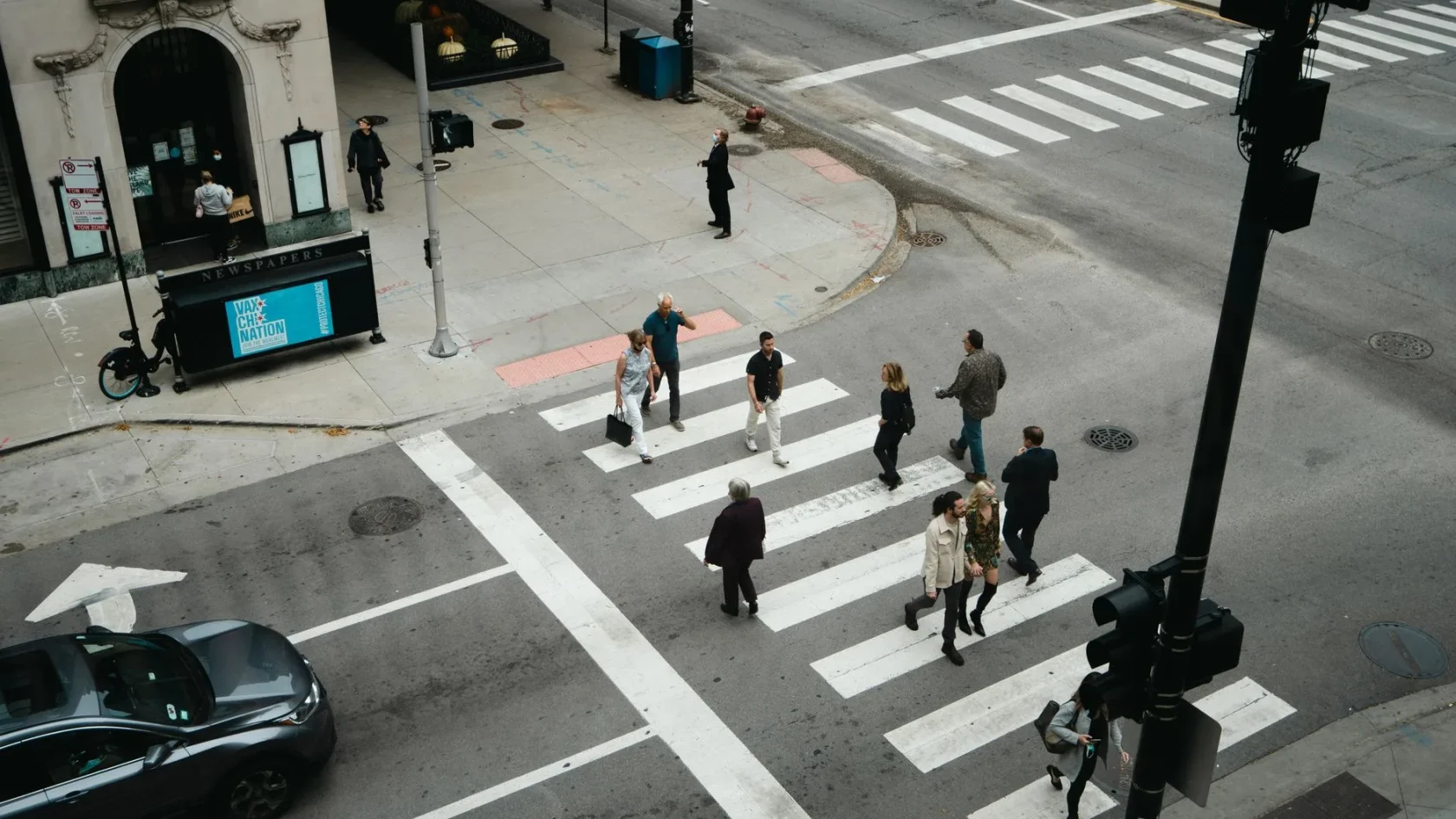
A person steps off the curb between two parked cars. You are looking at your mirror for half a second. In that gap, something in your car is already doing math on whether that person is about to be in your path. That is pedestrian detection, and it is one of the quietest, most underrated features on a modern vehicle.
I calibrated the cameras and radar that feed these systems for years, and I still think pedestrian detection is the part of ADAS that saves lives with the least fanfare. It does not steer for you or park itself. It just watches for people the way a good passenger would, and it is ready to brake when you are not.
Here is how pedestrian detection systems actually work, what they can and cannot see, and why they sometimes stay quiet when you expect a warning. I will keep it plain, the way I explained it to customers picking up their cars.
What the system is looking for
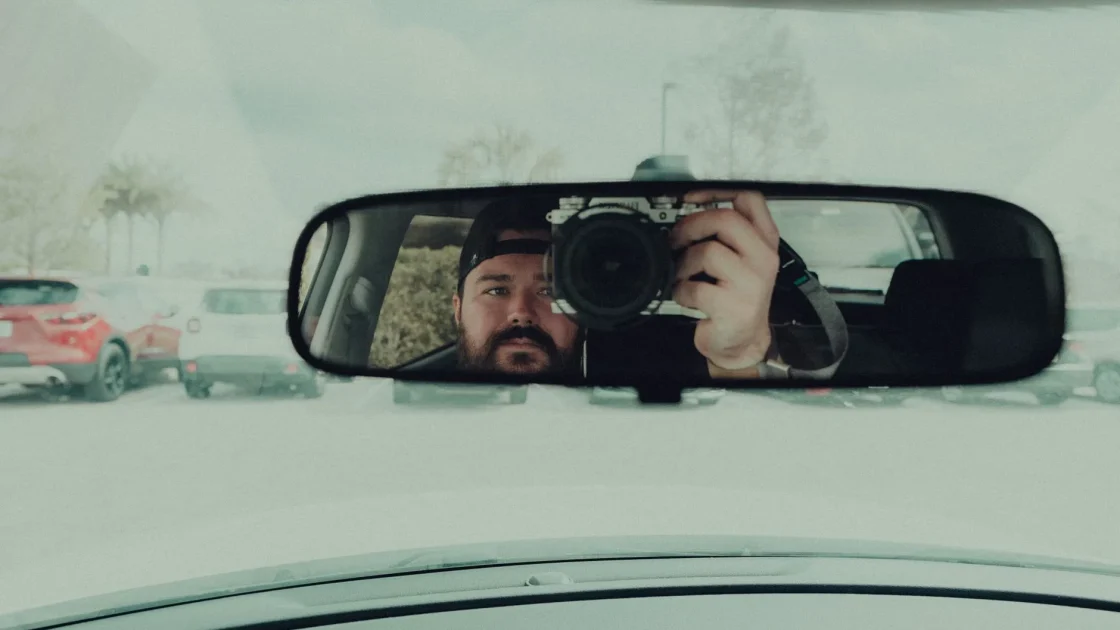
Pedestrian detection is a specialized part of your car’s forward-facing safety suite. It uses the same forward sensors as automatic emergency braking, a camera mounted near your rearview mirror and usually a radar behind the front grille, but it is trained to recognize a specific shape: a human being.
The camera does the recognizing. Its software has been trained on huge libraries of images so it can pick a walking person out of a busy scene, judging the outline of a head, torso, and legs, and how that shape moves. The radar adds distance and speed, confirming how far away the person is and how fast you are closing on them. Together they decide whether a collision is likely. The wider family this belongs to is laid out in the pillar on how modern driver-assist systems work, which is a good place to start if the whole ADAS picture is still fuzzy.
Camera plus radar
The camera identifies the shape of a person. The radar measures how far away they are and how fast you are approaching. The system acts only when both agree a hit is likely, which keeps false alarms down.
The steps between seeing and stopping
From the moment the camera spots a pedestrian to the moment the car reacts, a fast sequence plays out. It happens in a fraction of a second.
-
Detect
The forward camera picks a human shape out of the scene and tracks its position frame by frame, while the radar locks onto the same object for distance and speed.
-
Predict the path
The system estimates where the pedestrian is heading and whether that path crosses yours, given your current speed and steering.
-
Warn
If a collision looks likely, you get an alert first, usually a sharp chime and a flashing warning, sometimes a symbol of a person in front of a car.
-
Brake
If you do not react in time, the system pre-charges the brakes and can apply them automatically to avoid the person or cut your speed before impact.
That automatic braking step is shared with the broader system explained in the guide to how automatic emergency braking works. Pedestrian detection is essentially that system taught to recognize people, not just other cars.
What it can see, and what it struggles with
These systems have gotten remarkably good, but they are not magic, and I would rather you know their limits than trust them blindly.
They work best in daylight, with a clear view, and with a pedestrian who is upright and moving in a predictable way. A person crossing at a normal walk in good light is exactly what the camera was trained on.
They struggle in the dark, though newer systems with better cameras and infrared are closing that gap fast. They can miss a person who is partially hidden until the last moment, such as someone stepping out from behind a parked van. Heavy rain, snow, fog, and low sun all reduce what the camera can see, and a child or a cyclist can be harder to classify than an adult on foot.
Watch out
Pedestrian detection is a backup, not a replacement for your eyes. At night, in bad weather, or in tight urban streets, assume it may not catch everyone. Slow down in crowded areas the same way you would in a car without it.
Why the sensor has to be clean and aimed right
Here is where my old job comes in. A pedestrian detection system is only as good as the camera and radar feeding it, and both are fussy about being clean and correctly aimed.
If the windshield in front of the camera is smeared, iced, or grimy, the camera cannot see clearly, and the system may switch off or miss a person entirely. The same goes for a radar caked in mud or road salt. The guide on what blocks your ADAS camera covers the everyday things that blind these sensors, and most of them you can fix with a cloth in your driveway.
Aim matters just as much. If you replace a windshield or repair the front bumper, the camera and radar move, and a sensor that is even slightly off will misjudge where a pedestrian is. That is why recalibration is not optional after that kind of work. The cameras behind all of this are described in the overview of the cameras and radar behind ADAS if you want to see exactly what your car is working with.
How reliable is it in the real world?
Independent testing shows these systems prevent and reduce a meaningful share of pedestrian crashes, especially in daylight. The Insurance Institute for Highway Safety runs some of the toughest pedestrian tests in the industry and publishes how different cars perform, which is worth a look before you assume all systems are equal: IIHS pedestrian detection.
My own take, after years around these systems, matches the data. In good light they are genuinely impressive and I have watched them stop for people faster than a human could react. In the dark and in bad weather they are far less certain, which is exactly when pedestrian crashes are most common. If you want a fuller picture of where automatic braking earns trust and where it does not, the honest breakdown in the guide to whether automatic braking is reliable is worth your time.
Treat pedestrian detection as a skilled second set of eyes that never gets distracted, but one that sees best in daylight and can be blinded by a dirty windshield. Keep the glass clean, get the sensors recalibrated after any front-end work, and above all keep scanning for people yourself. The system is there to catch the moment you miss, not to let you stop looking.
Frequently asked questions
The forward camera runs software trained on large image libraries to recognize the shape of a human, judging the outline of a head, torso, and legs and how that shape moves. The radar then confirms how far away the object is and how fast you are approaching it. The car acts only when both the camera and radar agree a collision is likely.
It works far better in daylight, which is a real limitation because many pedestrian crashes happen after dark. Older systems with basic cameras often struggle at night, while newer ones with better low-light cameras and infrared are much improved. Never assume the system will catch everyone in the dark; slow down and keep scanning yourself.
The usual cause is a blocked or dirty sensor: a smeared or iced windshield in front of the camera, or a radar caked in mud or road salt. Heavy rain, snow, fog, and low sun can also reduce what the camera sees and switch the system off for safety. Cleaning the glass and the front radar area, then driving a normal cycle, clears most of these.
At lower speeds it often can bring the car to a full stop and avoid the person entirely. At higher speeds it may not fully stop in time, but it can still cut a lot of speed to make any impact less severe. It is designed to help avoid or soften a crash, not to guarantee one never happens, so you remain responsible for braking.
Keep reading
Related guides
Rear Cross-Traffic Alert, Explained
The two little radar units in your back bumper that watch for traffic while you reverse, decoded in plain English.
Read guide
Blind Spot Monitoring Explained Simply
What the rear radar watches, the two-stage warning, and why the mirror light sometimes glows for a guardrail, from a former ADAS tech.
Read guide
How Automatic Emergency Braking Works
The sensors, the escalation from beep to brake, and the honest limits of the assist feature with the clearest life-saving case.
Read guide