Cruise Control Unavailable Warning Guide
A cruise control unavailable message usually points to a blocked sensor, a system fault, or a simple condition the car does not like.

Key takeaways
- Cruise control unavailable is often temporary and clears once the blocking condition, like a dirty radar or a fault, goes away.
- A blocked or iced-over front radar is the single most common trigger on modern cars.
- Sometimes the car simply refuses cruise below a minimum speed or with a driver-assist setting switched off.
- If it stays unavailable on a clean, dry day, a diagnostic scan is the fastest way to find the fault.
You press the cruise button, expecting the car to hold your speed on a long stretch of highway, and instead the dash flashes back a flat refusal: cruise control unavailable. No cruise for you. On a three-hour drive, that is genuinely annoying.
The good news is that this message is usually the car being cautious, not the car being broken. In most cases something is temporarily blocking the system, and once that clears, cruise comes right back. Let me answer the questions I get asked most about this one, in the order people actually ask them.
What does cruise control unavailable actually mean?
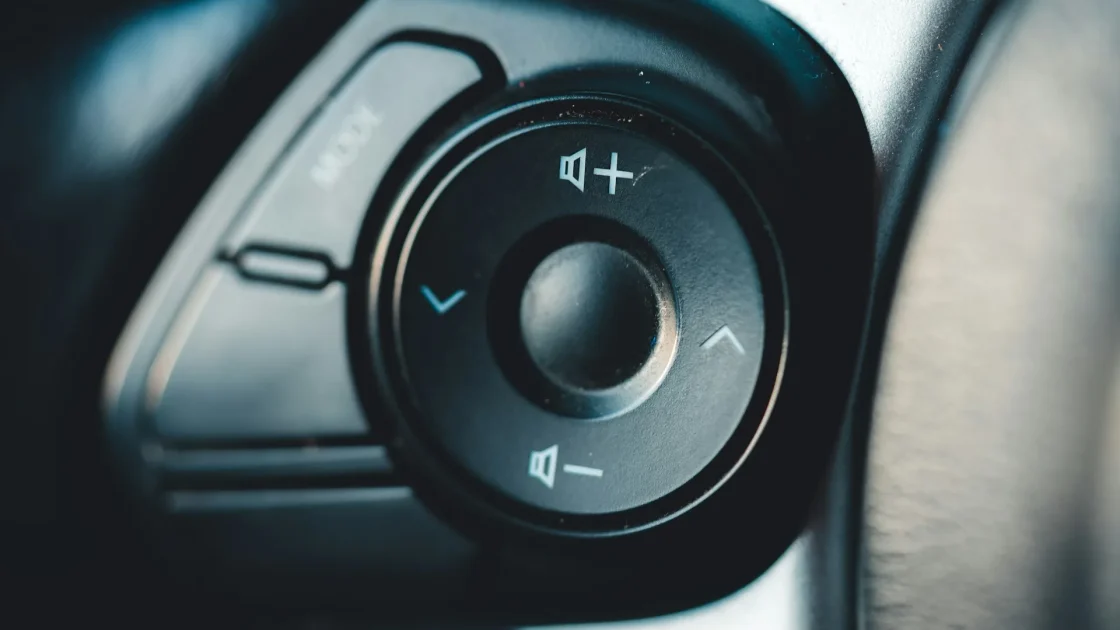
It means the car has decided, right now, that it cannot safely run cruise control, so it is refusing to let you set a speed. On a modern vehicle, cruise is rarely a simple speed-holder anymore. It is usually adaptive cruise, which leans on a front radar or camera to watch the car ahead and adjust your speed automatically.
Because that system depends on sensors, anything that clouds the sensor’s view or trips a fault will make the car pull cruise off the menu. The message is the car saying it cannot see well enough, or something is wrong, so it will not pretend everything is fine. If you want the wider picture of how these features hang together, our guide to how adaptive cruise control works lays out the moving parts.
Is it the same as a warning light?
Often it comes paired with one. You may see an amber cruise or car-with-radar symbol light up alongside the text. That icon is the standing version of the same message, and our breakdown of the adaptive cruise control warning light covers exactly what it looks like across brands.
Why is my cruise control unavailable right now?
Here are the culprits I saw over and over in the shop, roughly in order of how often they were the real problem.
- A dirty, iced, or snow-packed front radar behind the grille or emblem.
- Heavy rain or fog the sensor cannot see through.
- A recent fault the car has not yet cleared after restart.
- Trying to set cruise below the minimum speed the system allows.
- A driver-assist master setting toggled off in the menus.
- A radar knocked out of alignment after a minor front-end bump.
That first one dominates in winter. The radar usually hides behind the front badge or lower grille, and a plug of slush or ice completely blinds it. Many cars will literally tell you to clean the radar, and we cover that exact prompt in the article on the clean front radar message.
Tip
Before anything else, stop and physically wipe the front emblem and lower grille area. On a snowy day, clearing a fist-sized patch of ice off the radar cover fixes this message more often than any other single step.
How do I fix cruise control unavailable?
Work through it from easiest to hardest. Most people never get past step two.
-
Clean the front sensor
Wipe the emblem, lower grille, and windshield in front of the mirror. Clear off ice, mud, dead bugs, and snow. This alone resolves a huge share of cases.
-
Restart the car
Turn it fully off, open and close the door, wait a moment, and restart. A clean key cycle clears a lot of temporary faults that were only tripped once.
-
Check your speed and settings
Make sure you are above the minimum cruise speed, often around 20 to 25 mph, and confirm no driver-assist master switch got turned off in the menus.
-
Drive a few miles
Some cars need a short drive on clear roads to re-verify the sensors before cruise returns. Let it complete that self-check.
-
Scan for codes
If it is still unavailable on a clean, dry day, a scan tool will read the stored fault and point you at the real cause.
If you have run the basics and cruise still refuses to arm, the deeper troubleshooting in adaptive cruise not working, what to check takes you through the next layer. And for the full symbol-by-symbol reference, keep our pillar on what your ADAS warning lights actually mean bookmarked.
Watch out
If cruise vanished right after a parking bump, a bumper repair, or hitting a deep pothole, do not just clear the code and forget it. The radar may be pointing the wrong way now, which quietly makes it less accurate. That needs recalibration, not a reset.
Will it come back on its own?
Frequently, yes. When the cause is weather or a temporarily fogged sensor, the message clears the moment conditions improve or the glass warms up. I have watched cruise reappear on a highway simply because the fog lifted and the radar could finally see distance again.
The times it will not self-heal are when there is a genuine fault stored, a sensor is misaligned, or a component has actually failed. In those cases you can restart the car all day and cruise stays off until the underlying issue is addressed. The Insurance Institute for Highway Safety notes that these radar and camera systems only perform when their sensors are clean and correctly aimed, which is exactly why a dirty or bumped sensor pulls the feature offline.
Does regular cruise have the same issue?
Older, non-adaptive cruise control that just holds a set speed has far fewer reasons to go unavailable, since it does not rely on a forward sensor. If you are curious how the two differ and why the newer kind is fussier, our comparison of adaptive cruise versus regular cruise control spells it out.
A quick note before you spend money
Nine times out of ten, cruise control unavailable is a clean-the-sensor-and-restart problem, not a wallet problem. Try the free steps first. A shop bill only makes sense when the message stubbornly persists on a clear day, when it appeared right after body work, or when a scan turns up a real stored fault.
Start with a rag and a key cycle. If your cruise is back within five minutes, you just saved yourself a service appointment and learned that your car was only being careful, not broken.
Frequently asked questions
It means the car has decided it cannot safely run cruise control right now, so it will not let you set a speed. On modern cars this is usually adaptive cruise, which depends on a front radar or camera, so a blocked sensor or a fault will make the feature go unavailable.
The most common reason is ice, snow, or slush packed over the front radar, which usually hides behind the grille or badge. The sensor cannot see through it, so the car pulls cruise offline. Clearing that patch of ice often restores it immediately.
Clean the front emblem and grille, wipe the windshield in front of the camera, then fully restart the car with a clean key cycle. Confirm you are above the minimum cruise speed and that no driver-assist setting is switched off. If it still refuses on a clear day, get a diagnostic scan.
Often yes, if the cause is weather or a temporarily fogged sensor. It clears once conditions improve or the glass warms. It will not self-heal if there is a genuine stored fault, a misaligned sensor, or a failed component, which need repair or recalibration.
Keep reading
Related guides
What Your ADAS Warning Lights Actually Mean
The dash symbols behind lane, radar, and camera systems, decoded by a former calibration tech.
Read guide
Why Front Assist Not Available Appears
A former calibration tech explains what triggers the Front Assist Not Available message and the quick checks that usually bring it back.
Read guide
Driver Assist Not Available Message Fix
Driver assist not available usually means a blocked camera, a fault, or a system waiting to relearn after a battery event.
Read guide