Adaptive Cruise vs Regular Cruise Control
One holds a speed, the other holds a speed and a gap. A former calibration tech explains the real difference.

Key takeaways
- Regular cruise holds a set speed and ignores traffic; adaptive cruise also brakes for the car ahead on its own.
- Adaptive cruise uses a front radar to measure the gap and closing speed, then adjusts throttle and brakes.
- Adaptive is the better tool in busy highway traffic; regular cruise is fine on wide-open, empty roads.
- Neither system steers or watches for pedestrians, so an attentive driver is still required at all times.
Set the speed, take your foot off the pedal, and let the car hold the number. That is cruise control, and drivers have leaned on it for decades. Then adaptive cruise arrived, kept the same button on the wheel, and quietly changed what happens when a slower car appears ahead of you. Same idea, very different behavior.
I spent years calibrating the radar and cameras that make adaptive cruise work, and the question I got most from customers was simple: is the fancy version actually worth it, or is it the same thing with a nicer name? The honest answer is that they share a goal and almost nothing else under the surface. One holds a speed. The other holds a speed and a following distance, and it will slow you down on its own.
This is a straight comparison of adaptive versus regular cruise control, what each one does, where each one shines, and which cars have which. No brochure language, just what I have seen these systems do on real roads.
The core difference in one sentence
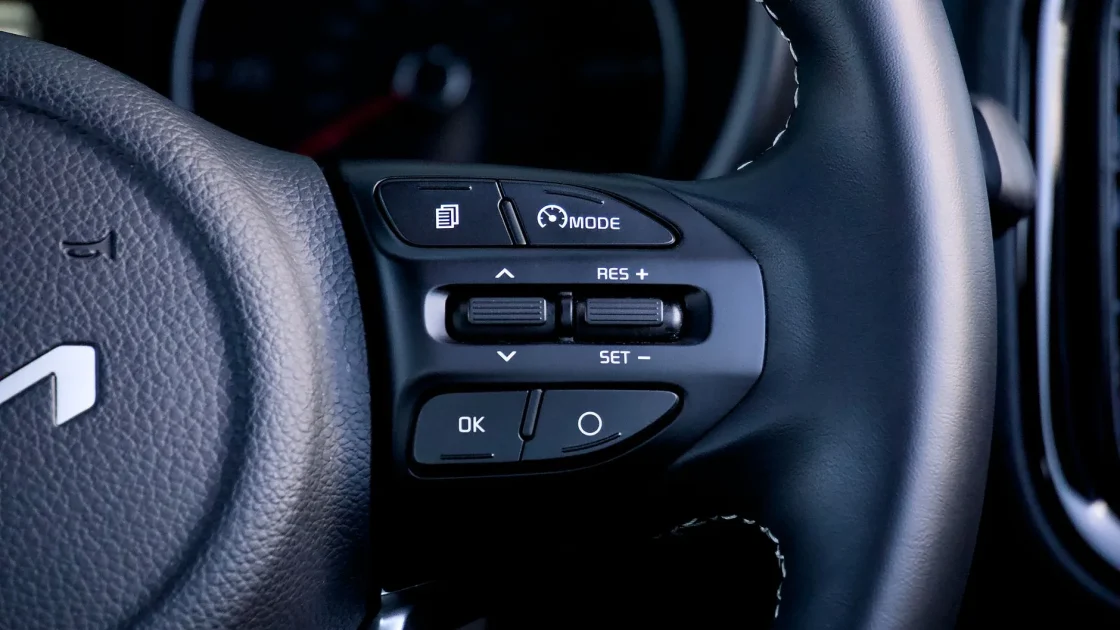
Regular cruise control holds the exact speed you set and does nothing about the traffic ahead. Adaptive cruise control holds that speed too, but it also watches the car in front and slows down to keep a safe gap, then speeds back up when the road clears.
That is the whole thing. Regular cruise is blind. It will happily carry you at 70 mph straight toward a car doing 55 until you tap the brake. Adaptive cruise sees that slower car, eases off the throttle, and matches its pace without you touching a thing. If you want the deeper engineering story of the smart version, the full guide on how adaptive cruise control works walks through the radar and the logic step by step.
The short version
Regular cruise: holds a set speed, ignores traffic. Adaptive cruise: holds a set speed and a set gap, and brakes for slower cars on its own. Both still need you steering and paying attention.
How each system actually works
Regular cruise control is a mechanical idea dressed up with electronics. You set a speed, and the car opens or closes the throttle to hold it, feeding in a little more on hills and backing off on descents. There is no sensor looking forward. It knows your speed and nothing about the world outside.
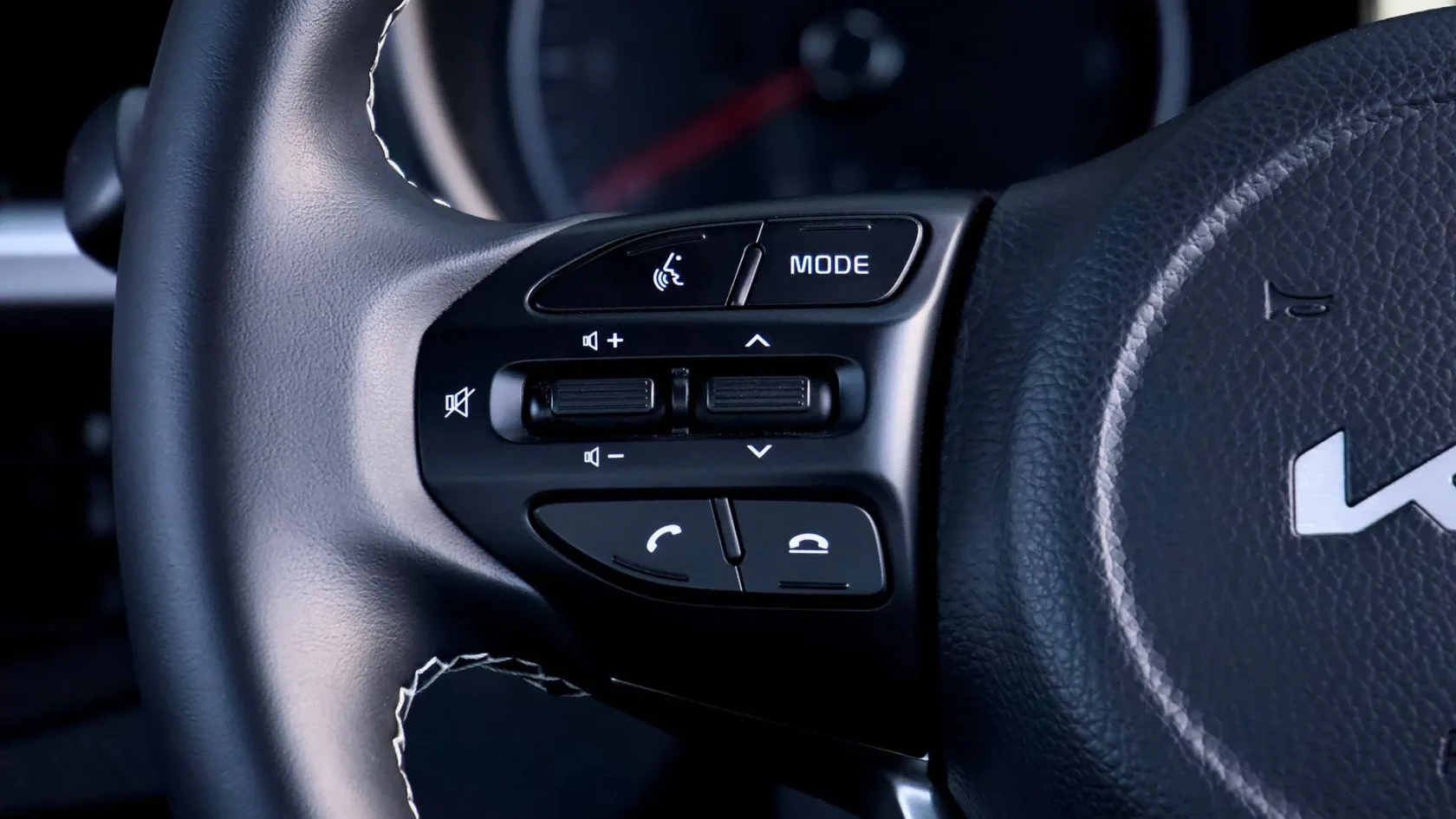
Adaptive cruise adds eyes. Most systems use a radar unit hidden behind the front grille or emblem, sometimes paired with the windshield camera, to measure the distance and closing speed of the car ahead. That radar is the same kind of sensor I used to aim during calibration, and its accuracy is everything. You can read how these units work in the overview of the car radar sensor. When the system sees a slower vehicle, it reduces throttle, and if that is not enough, it applies the brakes for you. When the lane clears, it accelerates back to your set speed.
The gap is adjustable. Nearly every adaptive system lets you pick a following distance, usually three or four settings from close to far. I always tell people to run the longer gap. It gives the radar and the software more time to react, and it makes the ride smoother because the car is not constantly chasing the bumper in front.
A side-by-side comparison
Here is how the two stack up on the things drivers actually care about.
| Feature | Regular cruise control | Adaptive cruise control |
|---|---|---|
| Holds a set speed | Yes | Yes |
| Slows for the car ahead | No | Yes |
| Applies the brakes | No | Yes, within limits |
| Adjustable following gap | No | Yes, usually 3-4 settings |
| Works in stop-and-go traffic | No | Some systems, with full-stop capability |
| Needs a front sensor | No | Yes, radar or camera |
| Typical model years | 1990s onward | Mostly 2015 onward, common by 2019 |
Where each one is the better tool
Regular cruise still has a place. On a wide-open interstate at 2 a.m. with no traffic, it does exactly what you need and never surprises you. It is predictable, and predictability has value. Some drivers also prefer it because it never brakes unexpectedly, which adaptive systems occasionally do when they misread an exit ramp or a car in the next lane.
Adaptive cruise earns its keep in traffic. On a busy highway where the pace keeps shifting, it takes the constant throttle work off your right foot and holds a steady gap without you riding the brake. On a long road trip it genuinely reduces fatigue. The systems that handle stop-and-go, sometimes called traffic jam assist, will even bring you to a full stop and move off again in a jam. That capability overlaps with the feature covered in the guide to traffic jam assist, which is adaptive cruise taken one step further.
Tip
If your car has adaptive cruise, set the longest following gap for the first week and learn how the car reacts before you shorten it. You will trust the system faster if you start with the calmest setting.
Which one does your car have?
The controls look almost identical, so the button on your wheel will not always tell you. Here is how to know for sure without guessing.
- Look for a small car icon with distance bars near your speedometer. If you can change the gap, it is adaptive.
- Check for a radar housing behind the front emblem or lower grille. Regular cruise has no forward sensor.
- Try it on an empty road behind a slower car, safely. If the car slows on its own, it is adaptive.
- Search your model and year with the word adaptive. Most brands added it as standard between 2018 and 2021.
If your adaptive system will not turn on or keeps dropping out, that is almost always the front radar being blocked or a calibration issue, not a broken feature. The walkthrough on adaptive cruise not working covers what to check, and if a warning light is involved, the guide to the adaptive cruise control warning light explains what the dash is telling you.
What neither system will do for you
This is the part I want every driver to hear. Neither cruise system steers. Neither one watches for pedestrians or cross traffic. Adaptive cruise will brake for a car it can see directly ahead in your lane, but it can miss a vehicle that cuts in late, a motorcycle, or a stopped car around a bend. It is a comfort and convenience feature with a safety bonus, not an autopilot.
The National Highway Traffic Safety Administration is clear that these are assistance features that require an attentive driver, and its overview is worth reading before you lean on any of them: NHTSA driver assistance technologies. Adaptive cruise fits into the wider family of features explained in the pillar on how modern driver-assist systems work, and understanding where it sits helps you use it well.
So if you are choosing between the two on a new car, or just trying to understand the one you already own: regular cruise is a simple speed holder, adaptive cruise is a speed holder that also keeps its distance. For most drivers who spend real time on busy highways, the adaptive version is the one worth having. Just remember it is helping you drive, not driving for you, and keep your eyes where they belong.
Frequently asked questions
For drivers who spend real time in busy highway traffic, yes. Adaptive cruise slows and speeds up on its own to hold a safe gap, which takes constant throttle work off your foot and reduces fatigue on long trips. If you mostly drive empty roads, regular cruise does the job and never brakes unexpectedly.
Yes, within limits. When it detects a slower car ahead, it first eases off the throttle, and if that is not enough it applies the brakes to keep your set following distance. It will not brake as hard as a full emergency stop, and it can miss a car that cuts in late or one stopped around a bend, so you still need to be ready to brake yourself.
Look for a small car icon with distance bars near your speedometer and a menu that lets you change the following gap; that means adaptive. You can also check for a radar housing behind the front emblem or grille, since regular cruise has no forward sensor. Trying it behind a slower car on an empty road is the surest test: if the car slows on its own, it is adaptive.
The most common reason is a blocked front radar, from ice, mud, or a bug-caked emblem, which stops the system from seeing the road ahead. Poor visibility from heavy rain or snow can also switch it off for safety. If cleaning the sensor and driving a normal cycle does not fix it, the radar may need recalibration after a recent bumper repair or alignment.
Keep reading
Related guides
How Modern Driver-Assist Systems Work
The sensors, the individual features, and the honest limits of the helpers built into every new car, from someone who calibrated them.
Read guide
How Lane Centering Handles Curves
Your car holds a straight lane with ease, so why does it wander in a bend? A former calibration tech explains lane centering in curves.
Read guide
Driver Attention Monitoring Explained
The steering sensors and face-tracking cameras that decide you need a break, decoded in plain English.
Read guide