Adaptive Cruise Not Working: What to Check
Check the conditions, clean the front radar, drive a cycle, then reach for a scan or calibration.

Key takeaways
- Adaptive cruise depends on the front radar, so a blocked or iced radar is the top reason it will not work.
- Many systems will not set below about 20 mph or in heavy rain, fog, or spray, which is normal.
- Handing control back when you brake or lose the lane is designed behavior, not a fault.
- If the radar is clean and clear weather still fails, suspect misalignment after front-end work.
You set the adaptive cruise, and nothing happens. Or it sets, then drops out a minute later with a chime. Or it will not even let you turn it on. Adaptive cruise control leans on more sensors and more conditions than plain cruise does, which gives it more ways to quietly refuse, and more things worth checking before you assume it is broken.
I spent years around these systems, and a “not working” adaptive cruise is far more often a blocked sensor or an unmet condition than a failed part. The car has a long list of situations where it will not engage, by design. Let me walk you through what to check, in the order I would run it, so you can tell a normal refusal from a real fault.
The basics first. Adaptive cruise, sometimes badged as radar cruise or dynamic cruise, uses your front radar, and on many cars the forward camera too, to measure the gap to the car ahead and hold it. Because it depends on that forward radar seeing clearly, anything that blinds the radar also kills the cruise. That link explains most of the failures I saw.
Check the conditions the system insists on
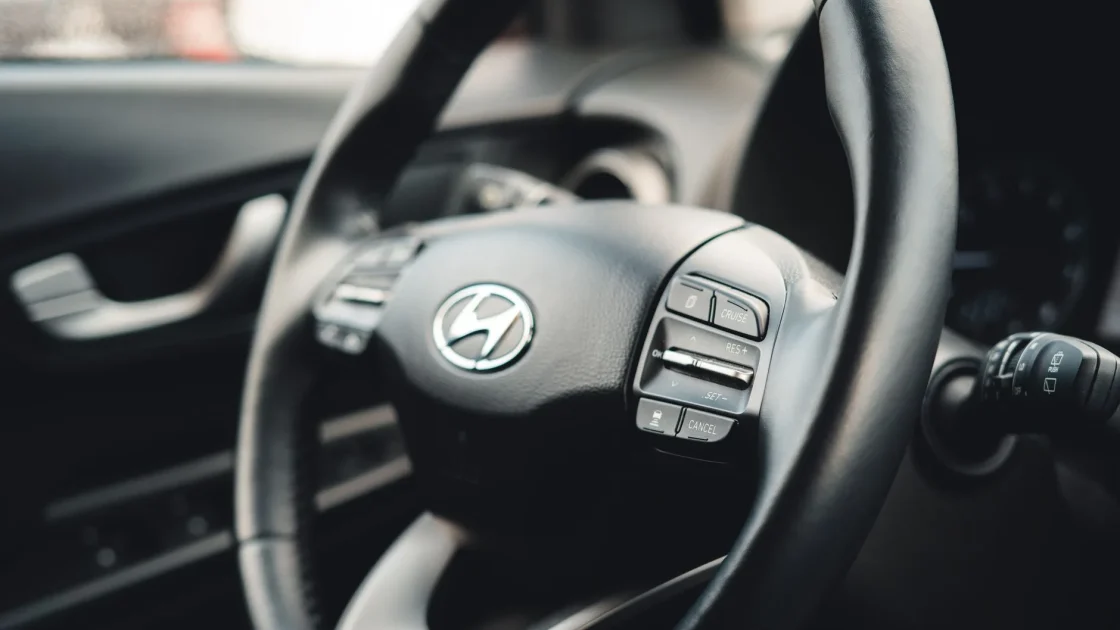
Adaptive cruise refuses to arm in a surprising number of everyday situations, and none of them are faults. Run this list before anything else, because it explains a large share of “it will not turn on” complaints.
- Your speed is outside the allowed range. Many systems will not set below roughly 20 mph, and some have an upper limit too.
- The front radar is blocked. Snow, ice, mud, or a sticker over the radar behind the grille shuts adaptive cruise down completely.
- Weather is interfering. Heavy rain, fog, or spray can make the radar step back until conditions clear.
- A brake or system fault is active. If ABS, traction, or the parking brake has a warning, adaptive cruise often will not arm.
- You are on a tight or unmarked road. Some systems need to track a lane or a lead car and give up where they cannot.
If your cruise will not set, the very first thing to rule out is a blocked front radar, since that is both the most common cause and the easiest to fix. The focused steps in the fix for a front radar blocked message tell you where the radar hides and how to clear it. For how the whole feature is meant to behave, how adaptive cruise control works is a helpful primer.
Read the message
Adaptive cruise usually tells you why it quit. “Radar blocked,” “cruise unavailable,” “clean front radar,” and “sensor obstructed” each point at a different cause. Note the exact wording before you troubleshoot, because it often names the fix.
Clean the front radar, then drive a cycle
Since the front radar is the heart of the system, a clean radar face fixes more adaptive cruise complaints than anything else. The radar sits low and central behind the grille or the badge, and mud, snow, or ice packed over it is the classic winter killer of adaptive cruise.
Clear the lower grille and badge area gently, then drive several minutes at a steady speed so the radar re-checks itself against traffic. If your dash shows a specific “cruise unavailable” prompt rather than a radar message, the guide on the cruise control unavailable warning covers that exact wording and its causes.
Tell normal drop-outs from a fault
Adaptive cruise disengaging is not always a problem. It hands control back when you brake, when a lead car cuts sharply, when it loses the lane on a tight bend, or when the radar briefly loses the car ahead over a crest. Those are the system working as intended, not failing.
What is not normal is cruise that refuses to arm in clear weather with a clean radar, or that drops out constantly on straight, well-marked highway with a car plainly ahead. That pattern points to a real fault: a blocked or misaligned radar, a camera problem, or a stored code that needs reading.
Watch out
Never assume adaptive cruise will always brake for you. It can miss a stopped car, a motorcycle, or a sharp cut-in, and it may drop out with only a brief chime. Keep your foot ready and your eyes up. It is an assist, not a chauffeur.
Won’t set versus sets then quits
The exact way your cruise fails narrows the cause fast, so pay attention to which of two patterns you have. Cruise that will not arm at all usually points at a hard block: a covered radar, a speed outside the range, or another warning light already active that the car insists on clearing first.
Cruise that sets fine and then quits after a minute is a different story. That points to something intermittent, most often a radar view that comes and goes as slush, spray, or a loose flap of a bumper cover drifts across it. A Mazda I looked at set perfectly on dry days and dropped out every time it rained hard, because road spray off trucks kept blinding the radar for a few seconds at a time. Nothing was broken. The system was doing exactly what it should when it briefly could not see. Matching your symptom to one of these two patterns tells you whether to hunt for a permanent cover or an intermittent one before you spend anything.
When the fix needs a tool
If the radar is clean, the weather is clear, you are within the speed range, and adaptive cruise still will not work, the cause is deeper. The usual culprits are a radar knocked out of alignment, a forward camera fault, or a stored code that needs clearing.
Alignment is the one to suspect after any front-end work. A curb strike, a fender bender, or a bumper repair can shift the radar a few degrees and kill the cruise, and the piece on ADAS calibration after a bumper repair explains why a clean sensor still needs re-aiming. For a stored code with no bodywork history, the master order in how to clear an ADAS warning light and the advice in whether you need a scan tool to reset ADAS point you to the next step.
For the safety framing on why adaptive cruise and the braking that rides with it are worth keeping healthy, the National Highway Traffic Safety Administration outlines what these systems do and their limits: NHTSA driver assistance technologies.
So check the conditions, clean the front radar, drive a cycle, and only then reach for a scan or calibration. The great majority of adaptive cruise complaints I handled came down to a covered radar or a condition the driver did not know the car insisted on. Clear those and the cruise usually sets and holds again on the next open stretch of road.
Frequently asked questions
The most common reasons are a blocked front radar, a speed outside the allowed range, or weather like heavy rain and fog. The radar sits behind the grille or badge, and snow, ice, or mud over it shuts the cruise down entirely. Clean the radar area, confirm you are within the speed range, and drive a cycle before assuming a real fault.
Some drop-outs are normal. Adaptive cruise hands control back when you brake, when a car ahead cuts in sharply, or when it loses the lane on a tight curve. If it drops out constantly on straight, well-marked highway with a car clearly ahead, that is not normal and points to a blocked or misaligned radar, a camera issue, or a stored code.
On most cars, yes. Many systems will not engage below roughly 20 mph, and some have an upper limit as well. Below the minimum, the cruise simply will not set, which looks like a fault but is normal. Get within the allowed range on an open road and it should arm if everything else is in order.
If the radar face is clean, the weather is clear, and you are within the speed range but the cruise still will not work, the radar may be knocked out of alignment or there may be a stored fault. A curb strike, fender bender, or bumper repair can shift the radar a few degrees and disable the system. That needs a scan and usually recalibration.
Keep reading
Related guides
Fix ADAS Errors After a Dead Battery
Why a jump start lights up half your dash, and the driveway steps that bring the systems back.
Read guide
Reset Steering Angle Sensor at Home
The driveway relearn some cars accept, the scan-tool reset others demand, and how to tell them apart.
Read guide
Fix a Front Radar Blocked Message
Find the radar behind your grille or badge, clear what is covering it, and drive a cycle before you pay anyone.
Read guide