Reset Steering Angle Sensor at Home
The driveway relearn some cars accept, the scan-tool reset others demand, and how to tell them apart.

Key takeaways
- The steering angle sensor tells the car where center is, and lane keep and stability control depend on it.
- Many Toyota, Honda, and Subaru models relearn with a steering sweep and a short straight drive.
- Never relearn on a car that pulls or was just crashed, or you lock in a false center.
- European and newer cars often need a scan tool to command the reset at true zero.
The steering angle sensor is a small part with an outsized job. It tells the car exactly where your steering wheel is pointed, and a surprising number of driver-assist features lean on that number: lane keep, lane centering, stability control, and any system that needs to know whether you are going straight or turning. When its reference gets lost, those features can fall over, and you might see a steering assist warning or feel the car nudge you the wrong way.
Resetting, or relearning, the steering angle sensor sounds intimidating. On many cars it is genuinely a driveway job that takes a few minutes and no tools. On others it needs a scan tool. I will show you both paths and how to tell which one your car wants.
First, a quick picture of what this sensor does, because that makes the reset make sense.
What the steering angle sensor does and why it drifts

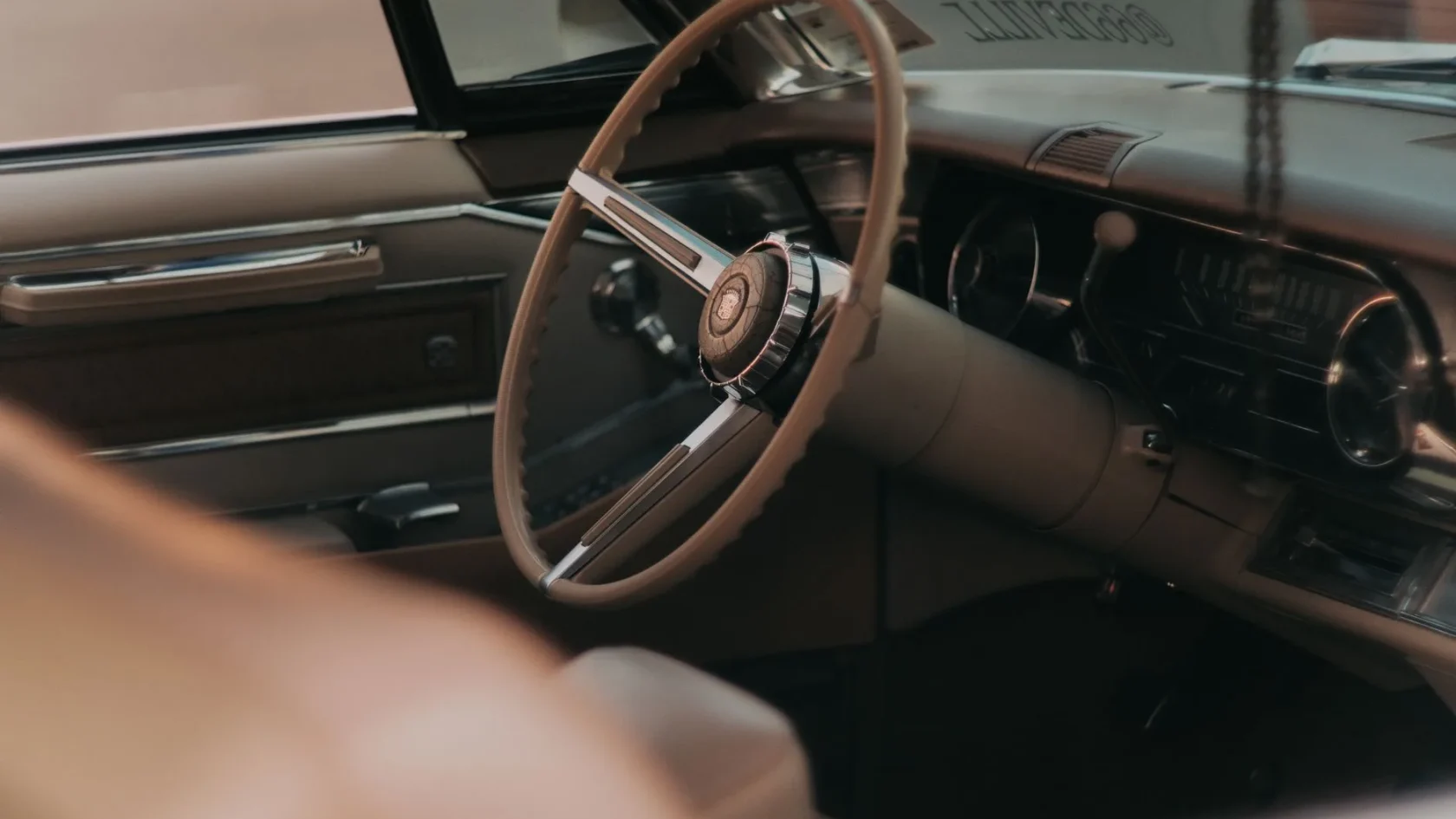
The steering angle sensor sits in the steering column, usually behind the wheel, and measures the angle and speed of your steering input. The car compares that to what the wheels and the rest of the vehicle are actually doing. If you turn the wheel but the car keeps going straight on ice, stability control reads that mismatch and steps in.
For that to work, the sensor needs a rock-solid idea of where center is: wheels dead straight equals zero degrees. That zero point can be lost after a few common events. Disconnecting the battery can wipe it. A wheel alignment moves the physical center. Replacing the sensor, clock spring, or steering rack resets it to nothing. Even hitting a big pothole hard can knock the reference off.
When center is wrong, the car thinks you are turning when you are straight, or the reverse. That confuses systems that steer or brake for you, which is why a bad steering angle reference often shows up as a steering assist reduced message or an amber warning. If you are seeing that specific light, the guide on the amber steering wheel warning light covers what it means before you attempt any reset.
Before you reset anything
A steering angle relearn only sticks if the car is mechanically straight to begin with. Reset it on a car that pulls or has bad alignment and you just teach the sensor a crooked idea of center.
Watch out
Never relearn the steering angle sensor right after hitting something or if the car pulls to one side. If the wheels are not actually straight, you will lock in a false center and make lane keep and stability control worse, not better. Fix the alignment first.
Because a fresh alignment moves the physical center, a steering angle relearn is often needed straight after alignment work. That connection is covered in whether you need calibration after alignment, and it is the most common reason a healthy car suddenly wants a relearn.
The at-home reset method
Many cars, especially a lot of Toyota, Honda, and Subaru models, can relearn the steering angle with nothing but a level road and a specific driving pattern. This is the free method, so try it first.
-
Park on level ground, wheels straight
Roll forward a few feet and let the car settle so the wheels sit naturally straight. Do not force the wheel to what looks centered, let the car roll into it.
-
Do the steering sweep
With the engine running and the car stopped, turn the wheel fully left, then fully right, then back to center. Hold a couple of seconds at each end. This shows the sensor its full range. Check your owner manual, some cars want this, some do not.
-
Drive a straight relearn
Drive at a steady 15 to 30 mph on a straight, flat road for a few minutes. The car watches the wheels track straight and sets that as its new zero. A few gentle left and right turns help it confirm.
Tip
The exact relearn steps vary by brand and model year, so check your owner manual first. Some cars relearn automatically after a battery reset and a normal drive, with no sweep needed at all.
If the sensor lost its reference because of a battery disconnect, this drive often clears it along with everything else. The overview on whether disconnecting the battery resets ADAS explains why so many post-battery warnings, steering included, sort themselves out on the first calm drive.
When you need a scan tool
Plenty of cars, especially many European models and newer vehicles, will not relearn the steering angle on their own. They need a scan tool to command the reset while the wheels are held perfectly straight. If your warning light stays on after the driving method, this is almost certainly your car.
| Situation | Reset method | Tool needed |
|---|---|---|
| Light after battery disconnect | Drive relearn | None, usually |
| Light after alignment | Drive relearn or scan tool | Depends on brand |
| After sensor or clock spring swap | Scan tool relearn | Scan tool |
| Light will not clear by driving | Scan tool relearn | Scan tool |
The scan tool holds the sensor at true zero and writes that value into the module, which a drive alone cannot force. If your fix has landed here, the piece on whether you need a scan tool to reset ADAS explains the gap between clearing a code and performing a real relearn, and why the tool matters.
On many modern cars the steering angle sensor is also tied into the broader camera and radar calibration, so a serious steering warning can be part of a larger recalibration need. The full ADAS calibration guide lays out how these pieces fit together.
For the safety background on why an accurate steering reference matters for stability control, the Insurance Institute for Highway Safety has clear material: IIHS advanced driver assistance.
Getting it right the first time
A steering angle reset is not scary once you know which camp your car is in. Make sure the car is straight and aligned, try the driving relearn if your brand supports it, and reach for a scan tool if the light will not clear or you just replaced a steering part. Do it on a straight car and the reset holds. Do it on a crooked one and you have only taught the sensor the wrong lesson, so alignment first, relearn second, every time.
Frequently asked questions
On many cars, yes. Models from Toyota, Honda, Subaru and others often relearn the steering angle with a full left-to-right steering sweep and a short straight drive at 15 to 30 mph. Check your owner manual for the exact steps. If the warning light will not clear after driving, your car likely needs a scan tool instead.
After a battery disconnect, a wheel alignment, or replacing the sensor, clock spring, or steering rack. A hard pothole hit can also knock the reference off. The car loses its idea of where center is, which confuses lane keep and stability control, so it needs to relearn zero.
Usually because your car needs a scan tool to write the new zero point rather than a driving relearn, or because the wheels are not actually straight. Never relearn on a car that pulls to one side. Fix the alignment first, then relearn, and use a scan tool if the driving method does not clear it.
You can drive, but expect lane keep, lane centering, and sometimes stability control to be reduced or off, since they rely on an accurate steering reference. Drive carefully and get it relearned soon. Do not attempt a relearn right after an impact or if the car pulls, as that locks in a false center.
Keep reading
Related guides
Blind Spot Monitor Not Working: Fixes
Check the switch, clean both rear corners, rule out a hitch or trailer, then look at the sensors and a scan.
Read guide
Adaptive Cruise Not Working: What to Check
Check the conditions, clean the front radar, drive a cycle, then reach for a scan or calibration.
Read guide
Fix ADAS Errors After a Dead Battery
Why a jump start lights up half your dash, and the driveway steps that bring the systems back.
Read guide