Do You Need Calibration After Alignment?
A plain answer to whether a wheel alignment means your car also needs an ADAS calibration, and how to tell in your case.

Key takeaways
- A routine wheel alignment on a normal car often does not require ADAS calibration by itself.
- Some makes tie their sensor aiming to rear thrust angle and do need calibration after an alignment.
- New tires, new suspension, or a height change alongside the alignment make calibration likely.
- Ask the shop the specific question for your car, and have it scanned if there is any doubt.
You just paid for a wheel alignment, the steering wheel sits straight, the car tracks true, and then someone mentions you might also need an ADAS calibration. Your first reaction is probably the same one I hear at the counter every week. I only had the wheels aligned, why on earth would the cameras care?
It is a fair question with a genuinely useful answer, so let me handle it the way it actually comes up: as a series of the questions drivers ask me, answered honestly. Sometimes an alignment does trigger a calibration. Often it does not. The trick is knowing which situation you are in.
I spent years on both sides of this, aiming sensors and explaining the bill. Here is the plain version, question by question, so you leave knowing whether that alignment put a calibration on your list or not.
Does a wheel alignment by itself require calibration?
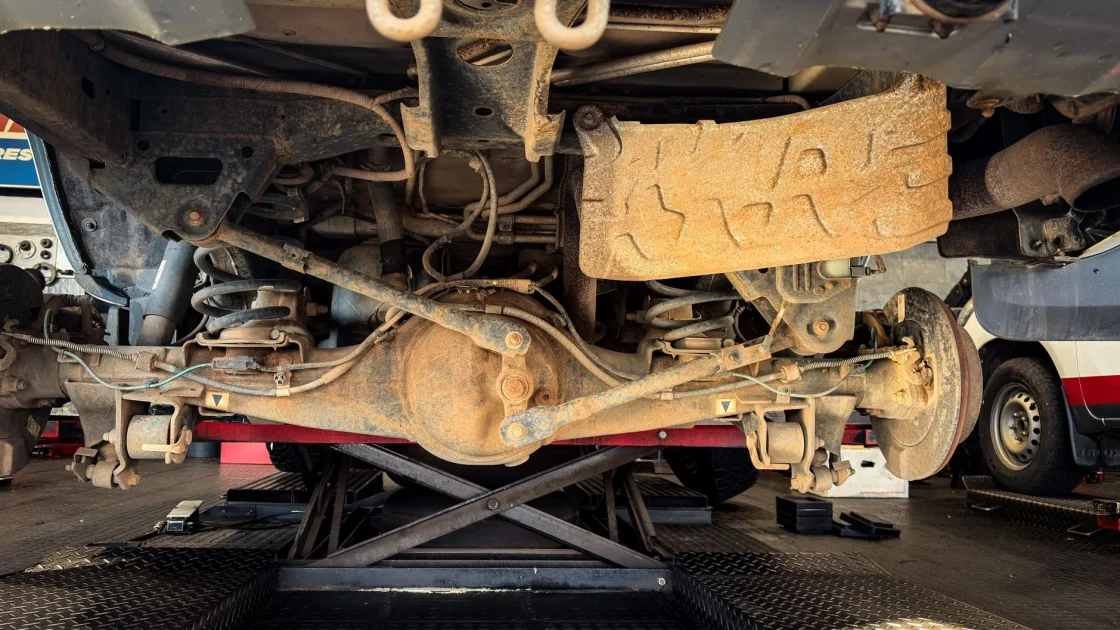
Usually not, on its own. A standard alignment adjusts toe, camber, and caster to bring the wheels back into spec. If nothing about the car’s ride height changed and no sensor was touched, the front camera and radar are still pointing where they were, and a calibration may not be needed.
But there is an important exception, and it is the reason the question exists at all. Some vehicles reference the rear axle’s thrust angle for their driver-assist aiming. On those cars, a significant alignment correction can shift the relationship the sensors rely on, and the manufacturer calls for a recalibration afterward. Whether yours is one of them comes down to the factory procedure, which a good alignment shop will check.
So the honest answer is: a routine alignment on a car in normal condition often does not need it, but some makes do require it after an alignment, and only the factory procedure settles it. If you want the wider view of what does and does not trigger the process, the complete guide to ADAS calibration lays it out.
Then why do people say alignment and calibration go together?
Because the events that send a car to the alignment rack are often the same events that knock a sensor out of aim. The alignment is not usually the culprit. The reason you needed the alignment is.
Think about why cars get aligned. New tires. Fresh suspension parts. A knock from a pothole or a curb. A collision repair. Every one of those can also disturb ride height or jolt a sensor bracket, and those changes are what actually call for calibration. The guides on calibration after new tires or suspension and signs your ADAS needs recalibration walk through exactly which of these matter.
The real relationship
The alignment is often a symptom, not the cause. If you needed an alignment because of new suspension, a lowered or raised stance, or a curb strike, the calibration question is really about that underlying change, not the alignment itself.
What about new tires or a change in ride height?
This is where it gets more definite. If the alignment came with a change in how tall the car sits, calibration moves from maybe to likely.
A forward radar and camera are aimed at a specific height relative to the road. Raise or lower the car, even by fitting different-sized tires or new springs, and you tilt the sensors’ view up or down. The car may now aim slightly at the sky or the pavement. That is a real calibration trigger, separate from the alignment angles. Different tire diameters also affect the wheel-speed data some systems lean on, which is why the setting in resetting the tire size for ADAS accuracy exists.
So if your alignment was part of a suspension refresh, a lift, a lowering job, or a tire size change, treat calibration as part of the plan rather than an afterthought.
How do I know if my specific car needs it?
Three practical ways to find out, in order of ease.
-
Ask the alignment shop directly
A shop that does modern alignments should know whether your make references thrust angle for ADAS and whether a calibration is called for. If they can pull the factory procedure, they can answer it.
-
Watch how the car behaves
After the alignment, notice whether adaptive cruise brakes at odd times, lane keeping tugs wrong, or a warning light appears. Any of those points toward a needed calibration.
-
Have it scanned
A quick diagnostic scan reveals whether a driver-assist system is flagging a fault or reporting an aim outside tolerance, which settles the question for certain.
If you are booking the alignment anyway, it is worth asking the right things up front. The list in questions to ask before ADAS calibration works just as well for an alignment appointment where calibration might follow.
What does it cost if I do need it?
A calibration after an alignment is priced like any other. A single dynamic calibration tends to run $150 to $300, and a static one with targets more. If your car needs both, or several sensors were affected, the total climbs. The full breakdown is in how much ADAS calibration costs.
Watch out
Do not assume an alignment shop automatically calibrates ADAS, and do not assume it never needs to. Both assumptions get drivers into trouble. Ask the specific question for your car so a needed calibration is not quietly skipped and an unneeded one is not sold to you.
For the underlying safety reasons these systems have to be aimed correctly, the National Highway Traffic Safety Administration keeps a clear overview of the technologies and what they do: NHTSA driver assistance technologies.
So, do you need calibration after an alignment? For a plain alignment on a car in normal shape, often not. For an alignment that came with new suspension, a height change, different tires, or on a make that ties its sensors to thrust angle, quite possibly yes. The move that never fails you is to ask the shop the specific question for your vehicle and, if there is any doubt, have it scanned. That small step keeps your driver-assist systems honest without paying for work your car does not need.
Frequently asked questions
No, not always. A standard alignment that only adjusts toe, camber, and caster, with no change to ride height and no sensor disturbed, often does not require calibration. The exception is vehicles that reference rear thrust angle for their driver-assist aiming, which the manufacturer may require to be recalibrated after a meaningful alignment correction.
On most cars it would not, directly. The reason alignment and calibration get linked is that the events prompting an alignment, such as new suspension, a curb strike, or a height change, are the same events that can shift a sensor's aim. In addition, some manufacturers design their systems to reference the rear axle's thrust angle, so a large alignment change affects the reference the sensors use.
Often yes, because different-sized tires change how tall the car sits and can tilt the forward camera and radar up or down relative to the road. Tire diameter also affects the wheel-speed data some systems rely on, which is why many cars have a tire size setting for ADAS accuracy. If your alignment came with a tire size change, treat calibration as part of the job.
The most reliable way is a diagnostic scan, which shows whether any driver-assist system is reporting a fault or an aim outside tolerance. Short of that, ask the alignment shop whether your specific make requires calibration after an alignment, since they can check the factory procedure. Also watch for odd behavior afterward, like adaptive cruise or lane keeping acting up, which points toward a needed calibration.
Keep reading
Related guides
Mobile ADAS Calibration: Is It Reliable?
When a technician in your driveway is every bit as accurate as a shop, and when the physics say otherwise.
Read guide
Questions to Ask Before ADAS Calibration
A checklist of the exact questions a former calibration tech would ask before handing over the keys.
Read guide
Insurance and ADAS Calibration Costs
What calibration costs on a claim, when insurance pays, and how to avoid getting stuck in the middle.
Read guide