Insurance and ADAS Calibration Costs
What calibration costs on a claim, when insurance pays, and how to avoid getting stuck in the middle.

Key takeaways
- Calibration is billed per system, so one repair can carry several charges that add up quickly.
- Insurance usually covers calibration when it is required to properly finish a covered repair.
- Your deductible still applies, so covered means bundled into the claim, not free.
- Documentation, a position statement plus a printed report, is what settles disputes with an insurer.
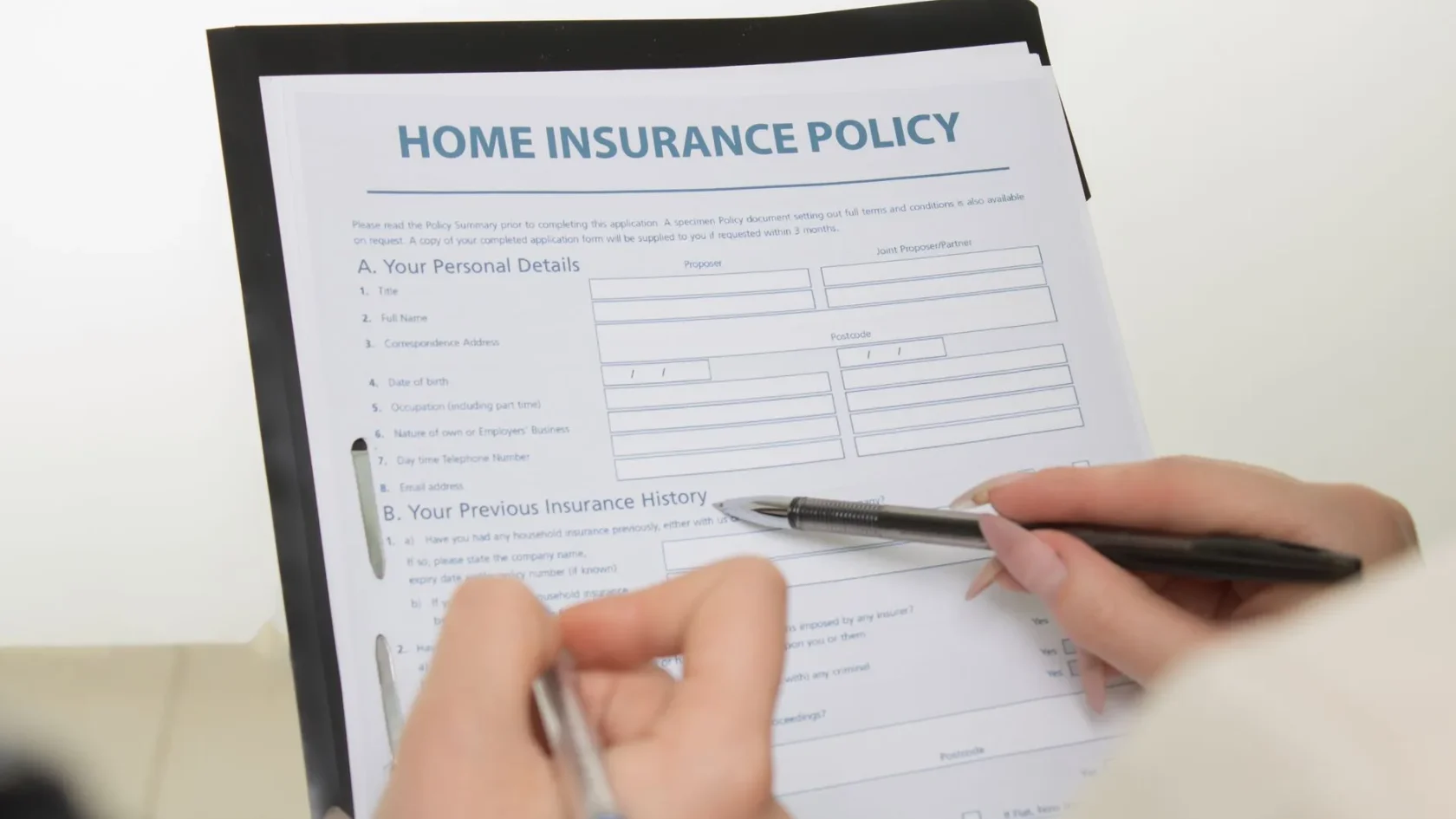
Most drivers meet ADAS calibration for the first time on a repair bill, usually after a windshield replacement or a fender bender, and the reaction is almost always the same. There is a line item they did not expect, a few hundred dollars they did not budget for, and a fair question: is my insurance supposed to be paying for this?
The short version is that insurance often does cover calibration, but only in a specific way, and the details are where people get tripped up. Having stood on the shop side of these conversations, let me lay out what calibration actually costs, when a policy pays, where the friction shows up, and how to keep a claim from turning into a fight. I will keep the numbers concrete so you know roughly what you are looking at.
What calibration actually costs
Calibration is priced per system, and that is the first thing to understand about the money. A single repair can disturb more than one sensor, and each sensor that needs aiming is its own charge. That is why one job can carry several calibration lines that add up faster than people expect.
As a rough guide, a single calibration commonly runs somewhere in the range of $150 to $400, and a car that needs a forward camera plus a radar aimed can land higher once both are done. A dealer often sits at the top of that range, an independent shop lower. The full breakdown of what drives the price lives in how much ADAS calibration costs, and the dealer-versus-independent gap is covered in dealer vs independent ADAS calibration.
Note
Calibration is not an upsell tacked onto your repair. It is the step that restores a safety feature the repair disturbed. A windshield job moves the forward camera; a bumper repair can move a radar. The calibration is what makes those systems trustworthy again, which is why it belongs on the bill.
Does insurance cover ADAS calibration?
In most legitimate claims, yes. When calibration is required to properly finish a covered repair, insurers generally treat it as part of that repair. A camera calibration after an insured windshield replacement, or a radar calibration after a covered collision repair, is usually paid as part of the claim.
The important word is covered, not free. Your deductible still applies to the overall claim, so calibration being included means it is bundled into the repair you are already paying your deductible toward, not that a check appears out of nowhere. If your deductible is higher than the repair, you are effectively paying for the calibration yourself.
It also has to be genuinely required. Insurers pay for calibration that the repair made necessary, and the case for that is strongest when the manufacturer’s own procedure calls for it. That is exactly what happens with glass, which I explain in why a windshield swap needs recalibration.
Comprehensive versus collision claims
Which part of your policy pays depends on how the damage happened, and that affects your out-of-pocket cost more than the calibration line itself. A cracked windshield from a stray rock is usually a comprehensive claim, and many policies carry a separate, often lower, glass deductible. A calibration required after that windshield replacement follows the glass claim.
A bumper crushed in a parking lot or a collision is a different bucket. That runs through your collision coverage with your collision deductible, and any radar or camera calibration the repair requires rides along with it. In a not-at-fault crash, the other driver’s insurer may be the one paying, calibration included.
The practical takeaway is to know which deductible applies before you are surprised by it. A calibration bundled into a $100 glass claim feels very different from the same calibration bundled into a $1,000 collision deductible, even though the calibration cost is identical.
| Situation | Typical coverage | Calibration follows |
|---|---|---|
| Rock chip or cracked windshield | Comprehensive (often a glass deductible) | The windshield claim |
| Collision or parking-lot damage | Collision (your deductible) | The repair claim |
| Not-at-fault crash | Other driver’s liability | The at-fault repair claim |
Where the friction shows up
Disputes rarely come from insurers denying calibration outright. They come from the gaps around it. A glass company that does not calibrate and does not mention it leaves you driving on an uncalibrated camera with no line item at all. Or an adjuster questions a calibration charge because the paperwork did not spell out why it was required.
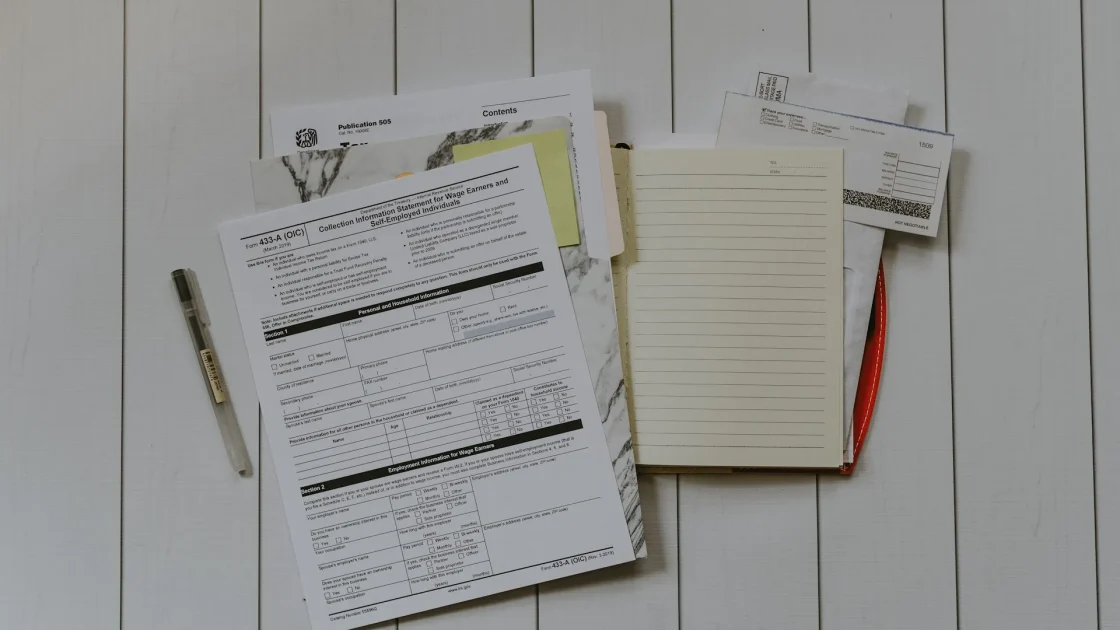
The other common friction is being caught in the middle. The shop says the insurer should pay, the insurer wants documentation the shop did not send, and you are the one making phone calls. It is avoidable, but only if the required calibration is documented clearly from the start.
Watch out
Be wary of any repair, especially a cheap windshield deal, that never mentions calibration. If a sensor sits on the part being replaced and nobody talks about aiming it, the job is not finished. A low price that skips calibration is not a saving, it is a safety feature left switched off.
Who pays if you skip it
You can decline calibration to dodge the cost on a claim. I would not, and here is the blunt reasoning. Once the claim closes and the car leaves, an uncalibrated camera or radar that reacts to the wrong part of the road is your problem, not the insurer’s and not the shop’s.
The few hundred dollars you saved does not cover the risk of a lane-keeping system that steers slightly wrong or automatic braking that misjudges a gap. The full case against cutting this corner is in what happens if you skip calibration. Treat calibration as part of the repair, because functionally that is what it is.
How to handle the claim smoothly
A little structure keeps these claims boring, which is exactly what you want. Here is the routine I would follow.
- Confirm up front whether your repair disturbs a sensor and needs calibration
- Ask the shop to document the manufacturer requirement on the estimate
- Have the shop bill the calibration as a line item on the claim, not a side charge
- Get a printed before-and-after calibration report and keep it
- Keep your deductible in mind so the covered amount is no surprise
If an insurer does push back on a genuinely required calibration, the fix is documentation, not argument. Have the shop submit the manufacturer position statement that requires the calibration, plus the printed report. That evidence gives an adjuster little room to deny a calibration the repair truly needed. Going in prepared is the theme of questions to ask before ADAS calibration.
Tip
Ask one question when you book the repair: does this job require calibration, and will it be on the estimate? Getting that answered before the work starts prevents almost every calibration billing surprise I have seen.
None of this is a reason to resent the charge. These systems earn their keep when they work, and the safety research is clear that properly functioning driver-assist features cut certain crashes, which the Insurance Institute for Highway Safety has documented. Calibration is simply the cost of keeping those features honest after a repair. Handle it as part of the claim, document it well, and it stays a routine line item rather than a headache.
Frequently asked questions
In most legitimate claims, yes. When calibration is required to properly finish a covered repair, such as a camera calibration after a windshield replacement, it is treated as part of that repair and covered. Your deductible still applies to the overall claim, so covered means bundled, not free.
Calibration is priced per system, and it restores a safety feature the repair disturbed. A windshield job moves the forward camera and a bumper repair can move a radar, each needing its own calibration. It is the completion of the repair, not an optional extra, which is why it appears as its own line.
Have the shop submit documentation directly: the manufacturer position statement that requires calibration for your repair, plus a printed before-and-after report. That evidence gives the insurer little room to deny a genuinely required calibration. Do not skip the calibration to end the dispute, since the safety risk outlasts any savings.
You can, but it is a poor trade. An uncalibrated camera or radar after a repair may react to the wrong part of the road, and the risk becomes yours once the claim closes. The few hundred dollars saved is not worth leaving a safety system aimed wrong.
Keep reading
Related guides
What a Calibration Target Board Does
The patterned board in the calibration bay is a precision instrument, and its placement is where the accuracy lives.
Read guide
Ride Height and ADAS Calibration
Why the height your car sits at is the hidden reference behind every camera and radar calibration.
Read guide
Why a Windshield Swap Needs Recalibration
Your forward camera rides on the windshield, so swapping the glass means the camera has to be recalibrated before you drive away.
Read guide