Dealer vs Independent ADAS Calibration
When to pay the dealer premium and when a good independent shop is the smarter call for your ADAS calibration.
Key takeaways
- A well equipped independent shop matches dealer quality on common brands, usually faster and for less money.
- Pay the dealer premium for rare or European brands, cars under warranty, or a calibration that keeps failing.
- The tool, the targets, and the technician matter more than the sign on the building.
- Always ask for a printed before and after report that shows the calibration actually passed.
Your car needs an ADAS calibration, and now you have a choice to make: hand it to the dealer, or take it to an independent shop down the road that quoted you a third of the price. I have stood on both sides of that counter. I calibrated cars at an independent collision shop for years, and I sent plenty of tricky jobs back to the dealer when they needed a factory tool I did not have.
So this is not a sales pitch for either side. Both can do excellent work. Both can do sloppy work. The right answer depends on your car, the repair that triggered the calibration, and how the shop is equipped. Let me lay it out the way I would for a friend.
The short version: for common brands and straightforward jobs, a well equipped independent is usually faster and cheaper with no drop in quality. For a handful of makes and for anything unusual, the dealer earns the premium. Here is how to tell which situation you are in.
What actually differs between the two
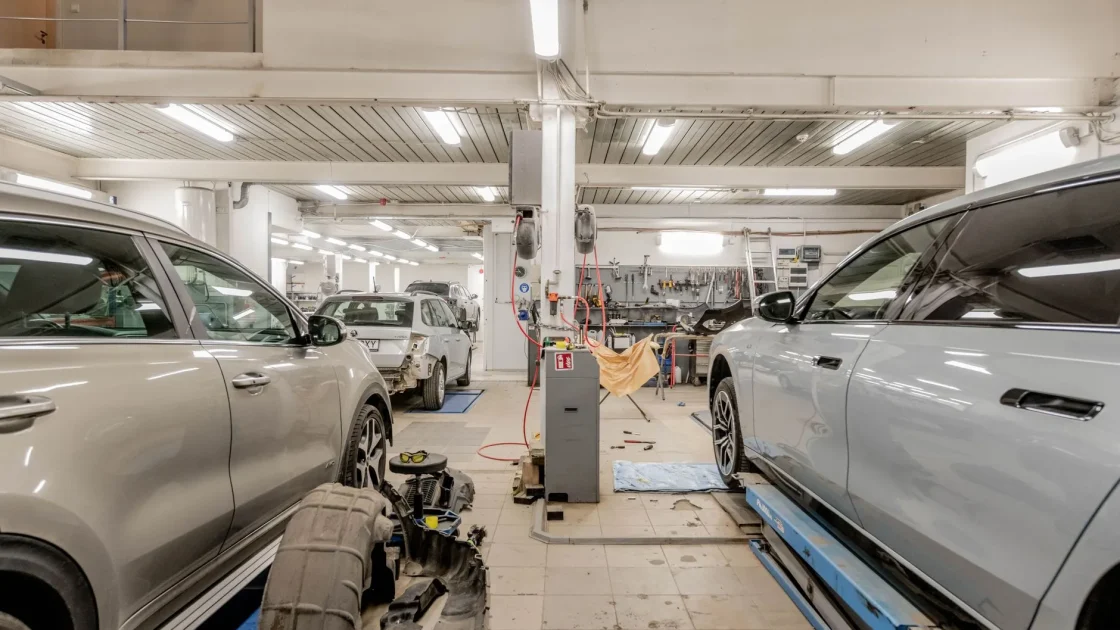
People assume the dealer has some secret the independent lacks. Mostly they do not. What separates a good calibration from a bad one is three things: the right target equipment, the correct software, and a technician who follows the procedure to the letter. A dealer has all three by default. A good independent has bought all three on purpose.
The dealer uses the manufacturer’s own scan tool and factory targets, and their techs see the same three or four brands every day. That repetition matters. An independent that invested in a quality aftermarket calibration system (Autel, Hunter, Bosch, and Texa are common) can cover dozens of brands, but the depth of experience on your specific model varies shop to shop.
If you want the full picture of what the process involves before you pick a shop, my complete guide to ADAS calibration walks through every step so you know what good work looks like.
| Factor | Dealer | Independent shop |
|---|---|---|
| Typical cost | $300 to $600 per system | $150 to $400 per system |
| Software and targets | Factory OEM, always current | Aftermarket or OEM, depends on the shop |
| Model familiarity | High for their brands only | Broad but varies by shop |
| Wait time | Often days, by appointment | Often same or next day |
| Loaner or shuttle | Usually available | Rarely |
| Best for | Rare brands, odd faults, warranty cars | Common brands, post-repair calibration |
When the dealer is worth the extra money
There are real cases where I would drive past three independents to reach the dealer. The clearest one is a car still under factory warranty. If a calibration is done wrong and something goes sideways later, you want the paper trail sitting inside the dealer network so no one can argue about who touched what.
Certain brands are also just fussier. Some European makes, and a few luxury models, use calibration routines that aftermarket tools support late or incompletely. Subaru’s EyeSight camera system is famously particular about its static targets and lighting. When the procedure is that sensitive, the shop that runs it every single day has the edge.
The dealer is also the safer bet when the calibration keeps failing for no obvious reason. A repeated failure often points to something deeper, a bent bracket, a module that needs coding, or a fault that a factory scan tool reads and an aftermarket one glosses over. If your shop already tried and the calibration will not take, read my notes on the questions to ask before ADAS calibration and then let the dealer take a swing.
Watch out
A shop that offers to “reset the light” without running a targeted calibration is not calibrating anything. Clearing a code is not the same as aligning a camera to the road. If the price sounds too good and the job takes ten minutes, that is your warning.
When a good independent is the smarter pick
For most people, after a windshield swap, a bumper repair, or an alignment, a reputable independent is the practical choice. They tend to book you in faster, charge less, and if the shop already did the underlying repair, keeping the calibration in house means one place owns the whole job. That single point of accountability is worth a lot.
Body shops in particular have gotten serious about this. A collision shop that repaired your bumper already knows a bumper repair usually requires recalibration because the radar behind it moved. Having them finish the calibration on the same visit beats shuttling the car to a dealer and back.
The type of calibration your car needs also matters here. Some cars use a fixed target board in a controlled bay, some need a road drive, and some need both. If you are curious which applies to you, I broke down the difference in static versus dynamic calibration. A shop that can only do one type may send you elsewhere anyway, so it is worth asking up front.
How to vet any shop before you hand over the keys
The dealer versus independent question matters less than whether the specific shop is equipped and honest. I would ask these no matter who I was talking to.
- Which calibration tool do you use, and does it support my exact make, model, and year?
- Will you give me a printed before and after report showing the calibration passed?
- Do you calibrate in house, or do you sublet it to someone else?
- What is your floor space and lighting like for static targets?
- What happens, and what does it cost, if the first calibration fails?
A shop that answers these easily has done this a hundred times. A shop that gets cagey is telling you something. According to the NHTSA overview of driver assistance technologies, these systems only work as designed when the sensors are aimed correctly, which is the entire point of calibration. A degree of camera error can move where the car thinks the lane is by a meaningful margin at highway speed.
What I would actually do
If I owned a common Toyota, Honda, Mazda, or Ford and needed a calibration after a normal repair, I would call two well reviewed independents and the dealer, compare price and wait time, and go with whichever equipped shop could give me a printed pass report soonest. Nine times out of ten that is the independent.
If I drove something European or luxury, if the car was under warranty, or if a previous calibration had already failed, I would pay the dealer premium without a second thought and consider it cheap insurance. And if you are still weighing whether a mobile tech coming to your driveway makes sense, that is a real third option worth reading about in my piece on whether mobile ADAS calibration is reliable before you decide.
Either way, the goal is the same. You want the camera and radar aimed exactly where the factory intended, proof that they are, and a shop that stands behind the work. Price is real, but a cheap calibration that was never verified is the most expensive kind.
Frequently asked questions
No. A well equipped independent shop using a quality calibration system and following the correct procedure produces the same result as the dealer, often faster and cheaper. The dealer's advantage shows up mainly on rare brands, unusual faults, and cars under warranty where the factory tool and daily experience matter more.
Independents carry lower overhead than a franchised dealer and often bundle the calibration with a repair they already performed. That is normal and not a red flag by itself. The thing to confirm is that they run a real targeted calibration and give you a printed pass report, not just a code reset.
Not necessarily. Coverage depends on the specific tool the shop bought and how current its software is. Some aftermarket systems support certain brands late or partially. Always ask whether their equipment supports your exact make, model, and year before booking.
It helps. When one shop owns both the repair and the calibration, there is a single point of accountability if anything is off. That is a genuine reason to keep the work together, whether that shop is a dealer or an independent.
Keep reading
Related guides
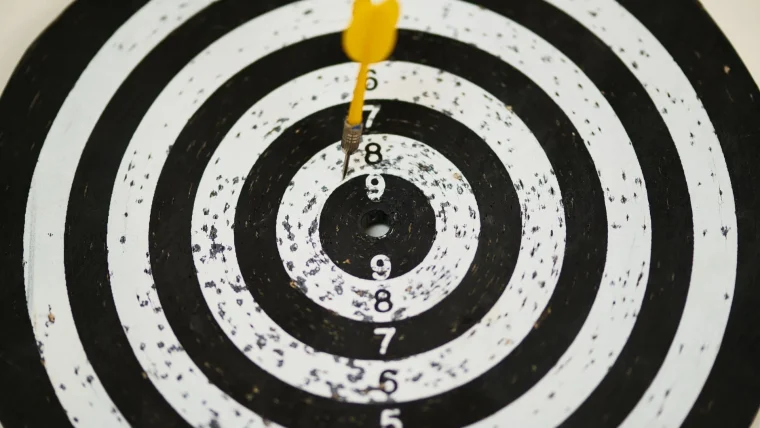
What a Calibration Target Board Does
The patterned board in the calibration bay is a precision instrument, and its placement is where the accuracy lives.
Read guide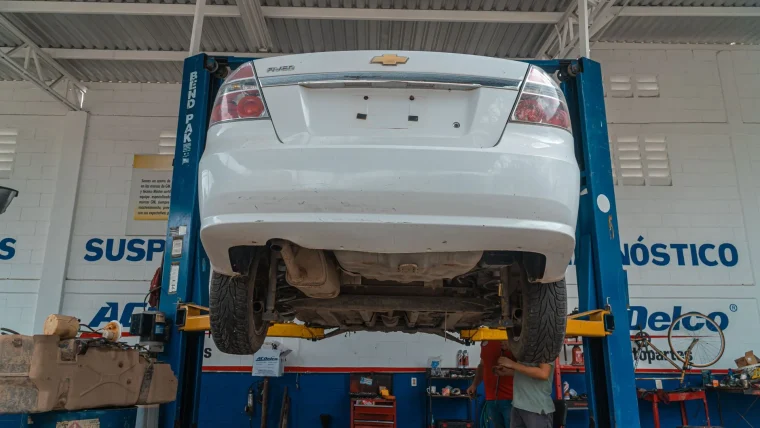
Calibration After New Tires or Suspension
A former calibration tech explains the surprising link between your tires, your springs, and your cameras.
Read guide
Insurance and ADAS Calibration Costs
What calibration costs on a claim, when insurance pays, and how to avoid getting stuck in the middle.
Read guide