ADAS Calibration: The Complete Guide
A former calibration technician maps out when ADAS calibration is needed, how it is done, and what a proper job should cost you.

Key takeaways
- ADAS calibration sets and confirms exactly where each camera and radar points, down to a fraction of a degree.
- Windshield swaps, bumper repairs, alignments, new tires, and collisions all trigger the need for calibration.
- Most cars need static calibration with targets, dynamic calibration on the road, or both in sequence.
- A trustworthy shop hands you a before and after scan report proving the systems passed.
The first time I aimed a forward radar with a target board, I was sure I had done something wrong. The car sat there, the laser lined up, the software chewed on numbers for a few minutes, and then a green check appeared. That was it. No test drive, no fireworks. Yet that quiet little procedure was the difference between a car that brakes for the vehicle ahead and a car that brakes for a road sign in the next lane.
ADAS calibration is the step almost nobody thinks about until a windshield or a bumper puts them in front of it. Your car is covered in cameras and radar that watch the road, and every one of them has to know exactly where it is pointing. Calibration is how a technician tells those sensors, with real precision, where straight ahead actually is.
I spent years doing this work before I started writing about it, and this is the plain-English overview I wish every driver had. We will cover what calibration is, when your car needs it, the two main methods, what it costs, and how to tell a good job from a rushed one. Think of this as the map, with links down to the detailed guides for each stop along the way.
What ADAS calibration actually is
Advanced driver-assistance systems make decisions from what their sensors see. A forward-facing camera reads lane lines and traffic. A radar behind the grille measures the distance and speed of the car ahead. Corner radars watch your blind spots. All of that only works if each sensor knows its own aim down to a fraction of a degree.
Calibration is the process of setting and confirming that aim. A technician either places precise targets in front of the car or drives it under controlled conditions while the car relearns where its sensors point. If you are new to the whole topic, the beginner overview on what ADAS is is a gentle place to start, and the piece on the cameras and radar behind ADAS explains the hardware doing the watching.
Here is the part that surprises people. A sensor can be off by a single degree and still look perfectly seated. Your eyes cannot spot the error. The car drives fine around town. But at highway distance, one degree of aim can put the radar’s attention several feet off target, which is plenty to miss the right car or brake for the wrong one.
It helps to picture it like a laser pointer taped to the front of the car. Nudge the back of that pointer by the width of a coin, and the dot barely moves on a wall a foot away. Move the wall a hundred feet back, and the same tiny nudge sends the dot wandering into the next lane. Radar and camera aim behave the same way, which is why calibration cares about fractions of a degree that feel absurdly small when you are standing next to the car.
When your car needs calibration
Calibration is not routine maintenance you schedule by mileage. It is triggered by events that move a sensor or change how the car sits on the road. Any of these should put calibration on your radar.
- A windshield replacement, because the forward camera lives on the glass. See why a windshield swap needs recalibration.
- A bumper repair or replacement, which disturbs the radar behind it. The guide on calibration after a bumper repair covers this.
- New tires, a suspension change, or a wheel alignment that changes ride height or thrust angle.
- Any collision, even a minor one, that jolts a sensor bracket.
- A dashboard warning or a system that suddenly behaves oddly.
Not sure whether an event counts? The rundown on signs your ADAS needs recalibration lists the everyday clues, from adaptive cruise braking for phantom cars to lane keeping that tugs at the wrong moment. And if you want to know the risk of ignoring it, the honest answer lives in what happens if you skip calibration.
Static versus dynamic calibration
There are two ways to calibrate, and most cars need one or the other, sometimes both. Knowing the difference helps you understand your quote and your appointment.
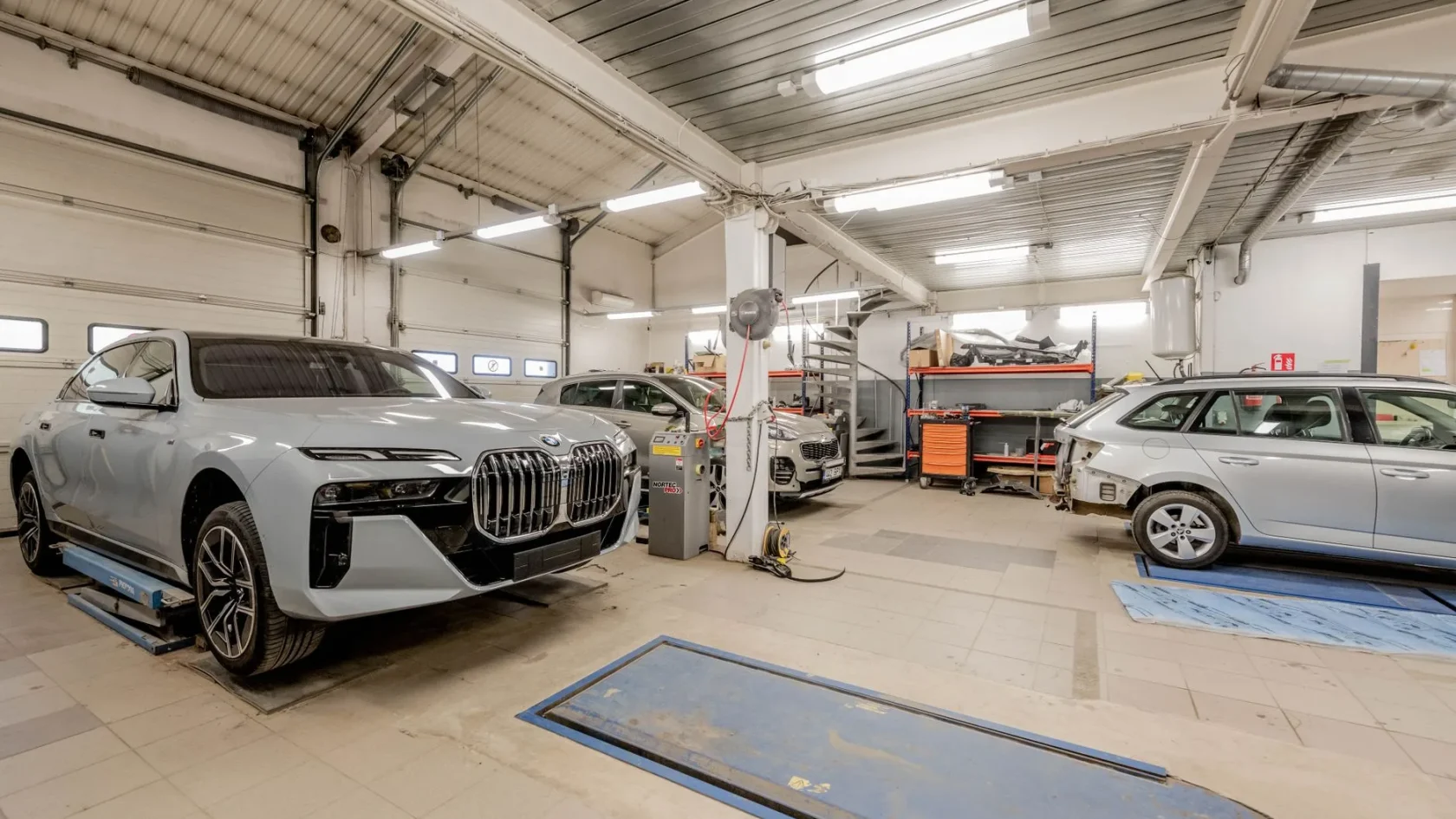
Static calibration happens in a shop. The car is parked on a level floor, and the technician sets up printed target boards at exact measured distances and heights in front of it. The car stares at those targets and learns its aim. It needs space, controlled lighting, and careful measurement, which is why it usually happens indoors.
Dynamic calibration happens on the road. A scan tool tells the car to enter a learning mode, then the technician drives it at a set speed on well-marked roads while the camera relearns from real lane lines and traffic. Weather and road quality matter here in a way they never do for static work.
Plenty of vehicles need a static setup first, then a dynamic drive to confirm it. The full comparison, including which brands lean which way, is in the guide on static versus dynamic ADAS calibration. The precise boards used in the static method get their own explainer in what a calibration target board does.
Quick way to remember it
Static means targets in a controlled bay. Dynamic means a measured drive on real roads. Many cars need both, in that order, and skipping the second half leaves the job unfinished.
What calibration costs
Price is the first question most people ask, and the honest answer is a range. A single dynamic calibration can run around $150 to $300. A static calibration with targets tends to land higher, often $200 to $400. A car that needs multiple systems calibrated after a big repair can climb past $600.
The variables are the car, the number of sensors, and whether the shop bills static and dynamic separately. Luxury and European brands sit at the top of the range because they demand more specific targets and longer procedures. The full breakdown, with a table by scenario, is in the guide on how much ADAS calibration costs. If the work follows a collision, the piece on insurance and ADAS calibration costs explains when your claim should cover it.
Dealer, independent, or mobile
You have more choices than you might think, and the right one depends on your car and your situation.
A dealer has the factory tooling and is the safe bet for rare, European, or under-warranty vehicles. A well-equipped independent shop often matches dealer quality on common brands for less money and a shorter wait. And mobile services now bring the equipment to your driveway for certain jobs, though not every calibration suits a driveway.
The tradeoffs are laid out in dealer versus independent ADAS calibration, and the reliability question for the come-to-you option is answered in mobile ADAS calibration. Whichever you pick, come armed with the right questions to ask before ADAS calibration so you can tell a thorough shop from a box-checking one.
How long it takes and what a good job looks like
Time varies with the method. A straightforward dynamic calibration might take 30 to 60 minutes of driving. A static setup with careful target placement can eat an hour or two, and a multi-system job after a collision can fill most of a day. The realistic timelines are in how long ADAS calibration takes.
The mark of a proper calibration is documentation. A good shop runs a pre-scan to see what is wrong, performs the calibration, then runs a post-scan and hands you a printed report showing the systems passed. If a shop cannot show you a before-and-after, be skeptical, no matter how confident they sound.
Watch out
Clearing a warning light is not the same as calibrating a sensor. A code can be reset in seconds while the radar stays aimed at the wrong spot. Ask specifically for a calibration with a post-scan report, not just a cleared dashboard.
One more piece of context worth reading if you want the safety case for all this fuss. The Insurance Institute for Highway Safety has studied how much these systems reduce crashes, and their research explains why aiming them correctly is not a small detail: IIHS on advanced driver assistance.
If you remember one thing from all of this, make it this: your driver-assist systems are only as accurate as the last time someone confirmed where they point. Calibration is the quiet step that keeps automatic braking honest and lane keeping steady. Follow the links above into whichever guide matches your situation, walk into the shop knowing what to ask, and do not drive off until you have seen proof the sensors passed. That green check on the screen is worth insisting on.
Frequently asked questions
It is genuinely necessary whenever a sensor has been moved or the car's stance has changed. A camera or radar that is off by a single degree still looks normal but can misjudge the road at highway distance. That said, a shop should always be able to show you a scan proving a system was actually out and then confirming it passed, so you are not paying for a step you did not need.
It depends on the make, model, and the specific sensors involved, and the shop determines it from the factory procedure for your vehicle. Many cars need a static setup with targets first and then a dynamic road drive to confirm it. A good technician will tell you which applies before starting, and the guide on static versus dynamic calibration explains the difference in plain terms.
For nearly all vehicles, no. Static calibration needs precisely measured target boards, a level floor, and a scan tool that speaks to the car's systems, and even a small measurement error produces a bad result. Dynamic calibration needs the correct scan tool to put the car in learning mode. This is a job for a properly equipped shop with the right software and targets.
A single calibration typically runs $150 to $400 depending on whether it is dynamic or static and how complex the car is. Jobs that involve several systems after a major repair can exceed $600. Luxury and European brands sit at the higher end because their procedures and targets are more demanding, and the dedicated cost guide breaks the numbers down by scenario.
Keep reading
Related guides
Calibration After New Tires or Suspension
A former calibration tech explains the surprising link between your tires, your springs, and your cameras.
Read guide
How Long Does ADAS Calibration Take?
Real timeframes from a former calibration tech, from a quick radar aim to a full static-plus-dynamic job.
Read guide
Dealer vs Independent ADAS Calibration
When to pay the dealer premium and when a good independent shop is the smarter call for your ADAS calibration.
Read guide