Lane Departure Warning Light: What It Means
The car-between-two-lines symbol, what triggers it, and how to clear it when it stays lit.


Key takeaways
- A flashing amber lane departure light plus a buzz means you drifted out of your lane without signaling.
- A steady amber light usually means the system switched off because the front camera cannot see the lines.
- Faded lane paint, low sun, and a dirty windshield are the top three reasons it stops working.
- If cleaning the camera and driving does not clear it, the camera may need recalibration.
Picture a small icon of a car sitting between two lane lines, and one of those lines lights up amber. That is your lane departure warning, and it is one of the most misunderstood symbols on the dash. People assume something broke. Usually the car is just doing exactly what it was designed to do.
I calibrated the forward cameras that run this feature for years, so I have seen every way it lights up. The good news is that a lane departure warning light is almost never a mechanical problem. It is a camera watching painted lines, and it reacts to how clearly it can see them and to how you are driving.
Let me explain what the light is telling you, then how to get it back to normal when it stays on.
What the light actually means
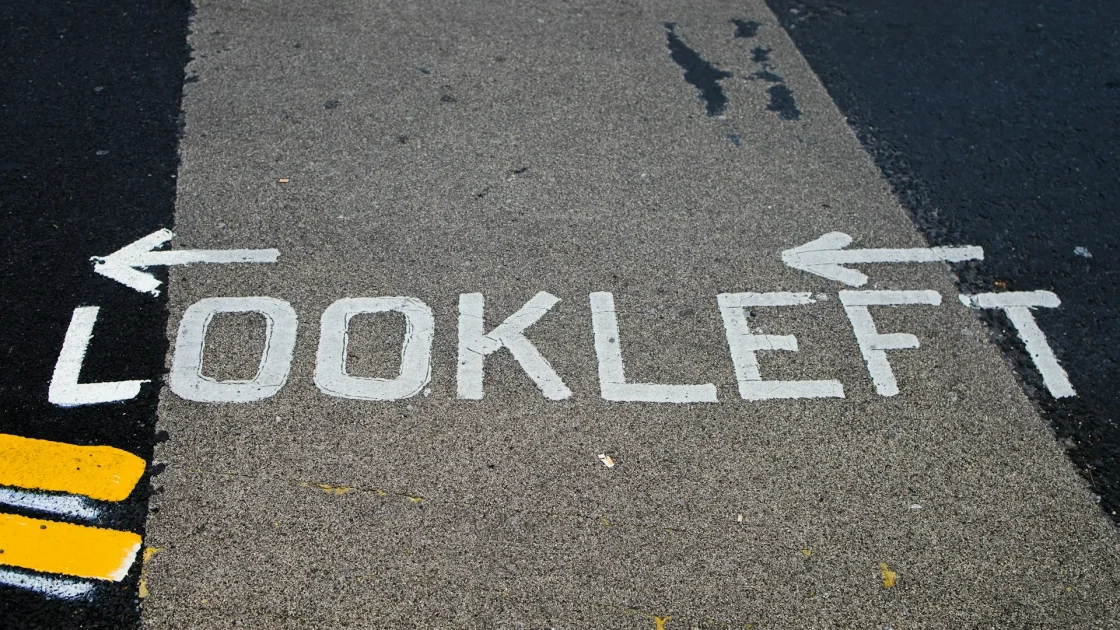
There are two very different messages hiding behind the same symbol, and telling them apart saves you a lot of worry.
A flashing amber light, usually with a buzz or a seat vibration, is the alert firing live. You drifted toward or across a lane line without using your turn signal, and the system is nudging you back. This is the feature working. It is annoying by design. Signal your lane changes and it stays quiet.
A steady amber light, with no chime, is different. That means lane departure warning has switched itself off. The most common reason is that the front camera, mounted up near your rearview mirror, cannot get a reliable read on the lane markings. If the light is solid and will not go away, that is the version worth investigating.
Tip
Flashing equals a live warning about your driving. Steady equals the system is off. Once you know which one you have, you know whether to change your habits or check your camera.
Why it turns off
The camera behind your windshield is smart, but it needs three things: visible lane paint, a clean view, and reasonable light. Take any of those away and it politely quits.
Faded or missing lane markings are the number one cause. On older roads or after fresh asphalt with no lines yet, the camera has nothing to lock onto. This is not your car’s fault, and there is nothing to fix. The light clears when you reach a road with clear paint.
A dirty or fogged windshield is next. The camera looks through the glass, so a smear, an ice layer, or heavy road grime right in front of the lens blinds it. I have cleared countless “faulty” lane systems with a single wipe of the glass in the right spot.
Low sun and glare round out the top three. At dawn and dusk, direct light can wash out the camera the same way it blinds you. That warning almost always clears within a few minutes as the sun angle changes. If you want the full engineering picture, the guide on how lane departure warning works goes deeper into the camera side.
Lane departure versus lane keeping
People mix these up constantly, and the light can mean either depending on your car. Lane departure warning only alerts you. Lane keeping assist actively steers you back. If your steering wheel tugs to recenter the car, you have the assisting version, not just the warning. The difference is spelled out in the comparison of lane keeping assist versus lane centering, which is worth a look if your car nudges the wheel.
Why does this matter for the light? Because on a lane keeping system, a green light means it is actively steering, while amber means it stopped. Same symbol, opposite meaning, decided by color.
How to clear a steady lane departure light
If the light is solid amber and stubborn, work through these in order. Most people never get past step two.
-
Clean the windshield at the camera
Find the black housing near your rearview mirror and clean the glass directly in front of it, inside and out. Bugs, film, and ice right there are the usual culprit.
-
Drive a road with clear lane paint
Get on a well-marked road at 40 mph or more for a few miles. If the issue was faded lines or glare, the system re-checks itself and the light goes out.
-
Check that you did not switch it off
Many cars have a lane assist button or a menu toggle. It is easy to bump it off. Confirm the feature is actually enabled in your settings.
-
Reset if it persists
If it still will not clear, the stored fault may need resetting. The step-by-step on how to reset a lane departure warning light covers the safe methods.
Watch out
Do not rely on lane departure warning to keep you in your lane. It is a backup for a momentary lapse, not a substitute for steering. On faded roads it may not warn you at all, and it never sees a lane it cannot read.
When the camera needs recalibration
Here is the one case where a wipe-down will not help. If you recently had your windshield replaced, the forward camera almost certainly moved and needs recalibration. Even a millimeter of aim error makes the camera misjudge where the lines are, and it will throw a lane departure light on perfectly good roads.
The same goes after front-end body work or a suspension change. The camera has to be re-aimed with proper targets so it knows exactly where straight ahead is. The overview on why a windshield swap needs recalibration explains why this is not optional. For the safety background on why lane systems matter at all, the IIHS keeps solid data: IIHS lane departure prevention.
So before you spend money, remember the order I use in the shop: clean the glass, drive a marked road, confirm the switch, then think about calibration only if you touched the windshield or the front end. That sequence solves the lane departure light for the vast majority of drivers, usually in the time it takes to run an errand.
Frequently asked questions
A steady lane departure light usually means the system turned off because the front camera cannot read the lane markings clearly. The most common causes are a dirty windshield in front of the camera, faded or missing lane paint, or low sun glare. Clean the glass at the camera and drive a well-marked road, and it typically clears on its own.
A flashing amber light, often with a buzz, is a live warning that you drifted out of your lane without signaling. A steady amber light with no chime means the lane departure system has switched off and is not currently working. Flashing is about your driving, steady is about the system's status.
Yes, and it is one of the most common causes people miss. The forward camera sits on the windshield, so replacing the glass moves it out of alignment. Until the camera is recalibrated with proper targets, it misjudges where the lane lines are and lights up the warning even on clearly marked roads.
Yes, the car is mechanically fine and safe to drive. The only thing you lose is the lane drift alert, so stay attentive and signal your lane changes as normal. Treat it as a reminder that this particular safety backup is temporarily off until you clear the light.
Keep reading
Related guides
Automatic Emergency Braking Warning Symbol
That amber car-with-brackets symbol means your last line of crash defense may not be fully armed.
Read guide
Cruise Control Unavailable Warning Guide
A cruise control unavailable message usually points to a blocked sensor, a system fault, or a simple condition the car does not like.
Read guide
Steering Assist Reduced: What It Means
When the car says steering assist is reduced, it is usually protecting a system, not warning of a steering failure.
Read guide