Do You Need a Scan Tool to Reset ADAS?
When a code reader is enough, when it is useless, and when the light needs a proper tool.

Key takeaways
- Many amber ADAS lights clear with a clean sensor and a drive, no tool needed at all.
- A basic code reader can turn a light off, but it cannot aim a camera or radar.
- A stored calibration fault will come straight back unless the sensor is recalibrated.
- Save the money on a scan tool if your fix is cleaning, resetting, or a known weather block.
This is the question I got asked more than any other, usually by someone standing in an auto parts aisle holding a forty-dollar code reader, wondering if it will make the yellow light on their dash go away. The honest answer is: sometimes, and it depends entirely on why the light is there in the first place.
I spent years calibrating cameras and radar before I started writing, and I watched people waste money on tools they did not need and skip tools they absolutely did. So let me sort this out properly, because “do I need a scan tool” is really three different questions wearing one coat.
I will answer it as a straight question and answer, because that is how it actually comes up in real life.
Does a code reader turn off an ADAS light at all?
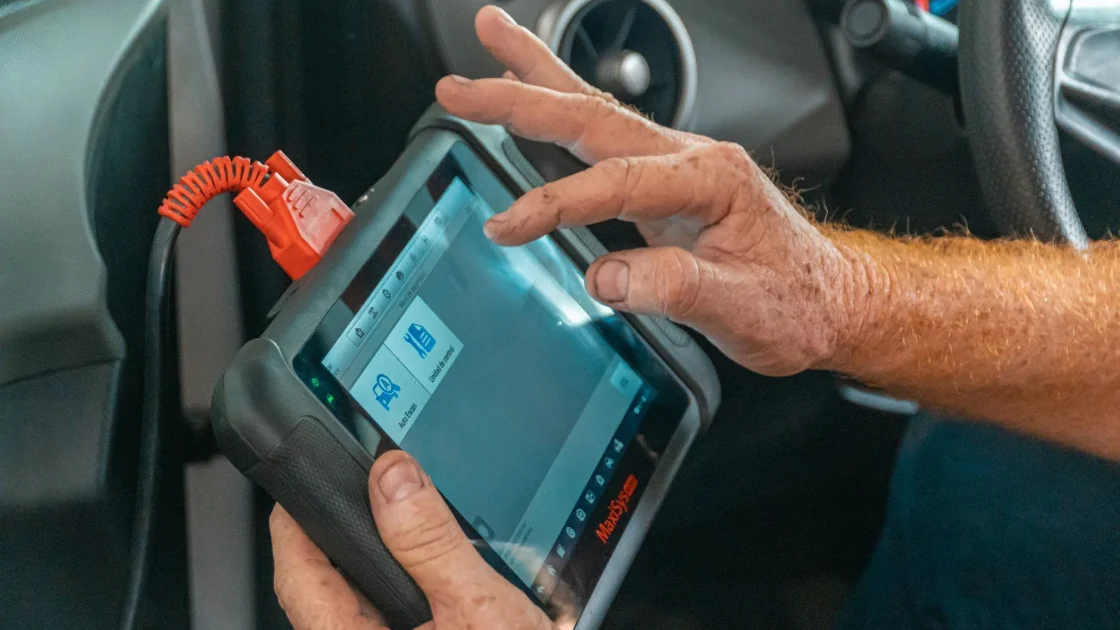
Yes, a basic OBD-II code reader can clear many driver-assist warning lights, the same way it clears a check engine light. It plugs into the port under your dash, reads the stored trouble code, and lets you erase it. For a light that is only lingering because of an old, resolved fault, that is often enough.
But here is the part the box does not tell you. Clearing a code and fixing the problem are two very different things. If the underlying reason is still there, the light comes right back, sometimes before you leave the driveway, sometimes after one short drive when the system re-checks itself.
Think of it like silencing a smoke alarm without checking for smoke. The alarm stops, but if something is actually burning, it starts screaming again. A code reader is a silence button, not a repair.
Quick distinction
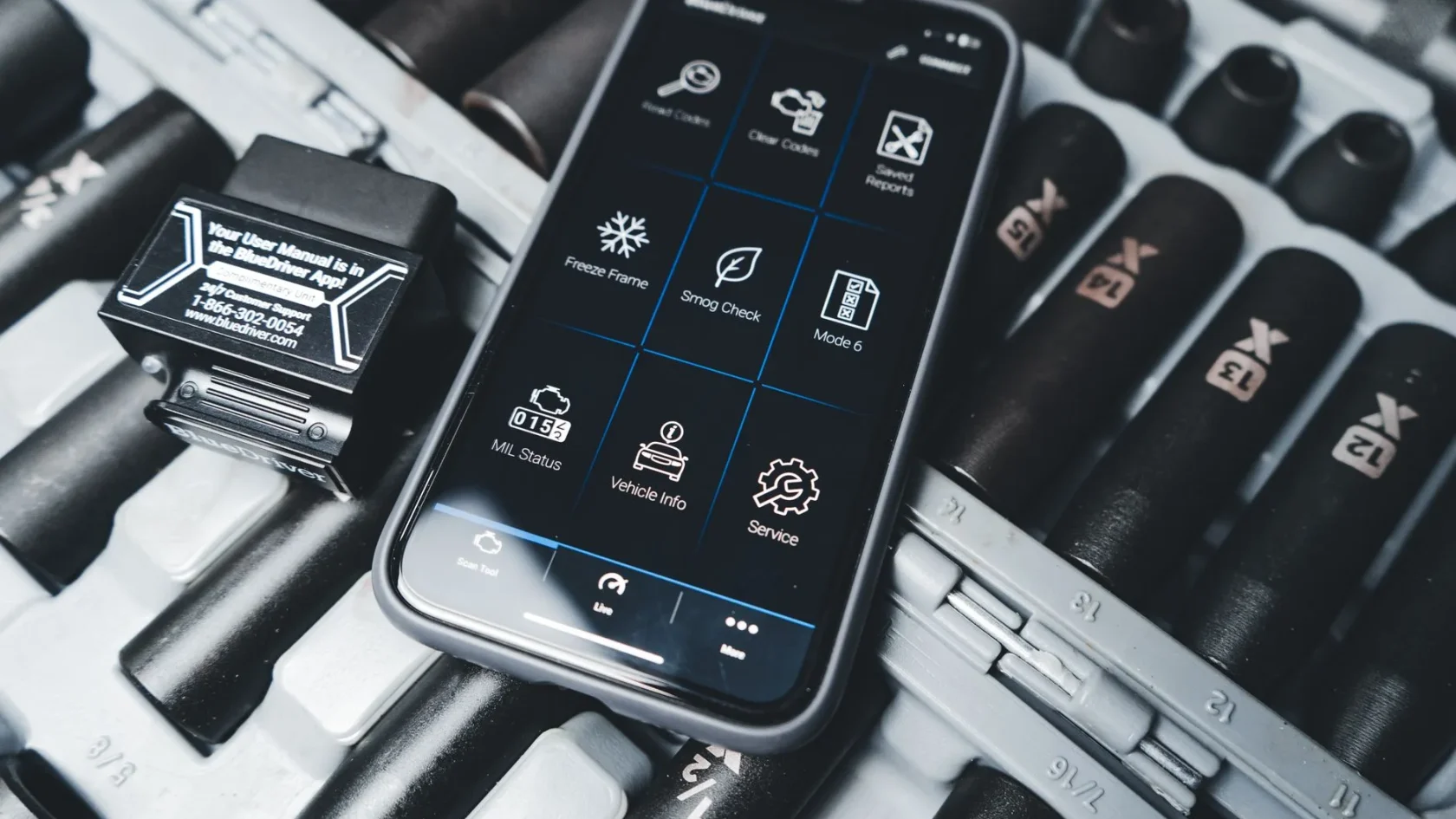
A code reader reads and erases stored codes. A full scan tool can also talk to individual modules, run tests, and start a calibration routine. They are not the same tool, and the price gap is large.
Do I even need a tool for my light?
Often, no. This is the money-saving part, so I want to be clear about it. A huge share of amber ADAS lights have nothing to do with a stored fault you need to erase. They are the car reacting to something physical in the moment.
If your light appeared in bad weather, or after a car wash, or when the sun was low, the cause is usually a blocked or blinded sensor, not a code that needs a tool. Clean the windshield where the camera sits and the grille area where the radar hides, then drive a normal cycle. Many systems restore themselves with zero intervention. The walkthrough on how to clear an ADAS warning light covers this order in detail, and it is where I tell most people to start before they buy anything.
There is also the free reset that costs nothing but time: completing a proper drive cycle. Some modules only relearn and clear themselves after a specific pattern of driving. The guide on what a drive cycle is and how to do it explains how to trigger that so a light clears on its own.
When a cheap reader will not cut it
Here is where people get burned. If your light is a calibration fault, no amount of code-clearing will fix it, and a basic reader is the wrong tool entirely.
A calibration fault means a sensor is physically pointed the wrong way, or the car has lost its reference for where straight ahead is. This happens after a windshield replacement, a bumper repair, an alignment, or a suspension or tire change. The camera or radar is fine, but it is aimed a degree or two off, and that is enough to make it distrust its own data and flag a warning.
You can erase that code all day. The sensor is still misaimed, so the module re-runs its self-check, finds the same problem, and relights the dash. What it actually needs is recalibration, which means a professional-grade scan tool that can command the sensor into a calibration mode, plus targets, a level floor, and correct measurements. The complete guide to ADAS calibration lays out exactly what that process involves.
Watch out
If a light keeps returning after you clear it, stop clearing it. You are not fixing anything, and you may be masking a system that needs recalibration to protect you. A light that will not stay off is telling you the tool you have is not the tool the job needs.
What a real scan tool actually does
A proper diagnostic scan tool, the kind a shop uses, is a different animal. It does not just read generic codes. It talks to each control module by name, pulls manufacturer-specific fault codes, and can initiate the calibration and relearn routines that a camera or radar needs after service.
These tools cost anywhere from a few hundred dollars for a decent aftermarket unit to thousands for a dealer-level system with the right software subscriptions. That is why recalibration is usually a shop job. It is not that the work is mysterious, it is that the tool and the targets are expensive to own for a one-time fix.
Here is a rough map of what each tier of tool can and cannot do for your ADAS light.
| Tool | Rough cost | Can clear a code | Can recalibrate |
|---|---|---|---|
| Basic code reader | $20 to $60 | Yes | No |
| Mid aftermarket scan tool | $300 to $1,500 | Yes | Some models, with targets |
| Dealer or pro system | $2,000 and up | Yes | Yes |
How I decide, every time
When a driver-assist light shows up, I run the same mental checklist before I reach for any tool, and you can too.
- Did it appear in rain, snow, glare, or after a wash? Clean the sensors and drive first. No tool.
- Did it clear on its own last time? Try a full drive cycle before spending anything.
- Did you recently replace a windshield, repair a bumper, or align the car? That is calibration, and a basic reader will not fix it.
- Does the light come back within a mile of clearing it? The problem is live, not stored. Move to a shop or a pro tool.
The battery angle matters here too. Some people disconnect the 12-volt battery hoping to reset everything, which sometimes works and sometimes creates new headaches. The guide on whether disconnecting the battery resets ADAS is worth reading before you try that as a shortcut.
For a plain-language overview of how these systems are supposed to behave, the National Highway Traffic Safety Administration keeps a solid reference: NHTSA driver assistance technologies.
So, do you need a scan tool to reset ADAS? For a lingering, already-fixed fault, a cheap reader might do it. For a weather or blocked-sensor light, you need nothing but a cloth and a drive. For anything calibration-related, a basic reader is a waste, and the job belongs with a proper tool and someone who has the targets to aim the sensor correctly. Match the tool to the cause, and you will never overspend on your dash lights again.
Frequently asked questions
A basic OBD-II scanner can erase the stored trouble code behind many ADAS lights, which turns the light off. What it cannot do is fix the underlying cause, so if a sensor is blocked or misaimed, the light returns. For calibration faults you need a professional scan tool that can command the sensor into a calibration routine.
Because clearing the code does not fix the problem. If the sensor is dirty, blocked, or knocked out of calibration after a windshield or bumper job, the module re-runs its self-check, finds the same fault, and relights the dash. A returning light means you need to address the physical cause, not just erase the code again.
For most drivers, no. Basic readers cannot recalibrate, and pro tools that can cost hundreds or thousands plus software subscriptions. Since many ADAS lights clear with cleaning and a drive, and calibration needs targets and a level floor anyway, buying a tool rarely pays off for a one-time fix.
Usually not. A light that appears right after a wash is almost always water or residue temporarily blocking a camera or radar. Dry the sensors, wipe the windshield and grille, and drive a normal cycle. The system typically restores itself without any tool at all.
Keep reading
Related guides
Fix ADAS Errors After a Dead Battery
Why a jump start lights up half your dash, and the driveway steps that bring the systems back.
Read guide
Clear a Parking Assist Fault Yourself
Clean, reset, then hunt the one dead sensor: the fifteen-minute driveway fix for a parking aid warning.
Read guide
What a Drive Cycle Is and How to Do It
A plain-English guide to the drive that lets your car finish its self-checks and clear a light.
Read guide