Clear a Parking Assist Fault Yourself
Clean, reset, then hunt the one dead sensor: the fifteen-minute driveway fix for a parking aid warning.


Key takeaways
- One bad ultrasonic sensor usually takes the whole parking system offline and posts a fault.
- Cleaning every sensor face fixes the fault about half the time and costs nothing.
- A full key-off sleep and a code clear reveal whether the fault is a glitch or a real failure.
- A fault after bumper work often means a sensor was painted over or knocked loose.
You drop the car into reverse and instead of the usual friendly beeps you get a chime and a message: parking assist fault, or parking aid unavailable, or a little sensor icon with a line through it. Suddenly you are backing into a tight spot the old-fashioned way, over your shoulder, wondering what broke.
Good news. A parking assist fault is one of the most DIY-friendly warnings on any modern car. The sensors that trigger it are cheap, exposed, and easy to reach, and the usual culprits are dirt, ice, a knock from a curb, or a bit of trailer wiring. You can work through almost all of it yourself in about fifteen minutes.
Let me show you how I chase down a parking assist fault, in the order that finds the problem fastest.
What the parking assist fault is actually telling you
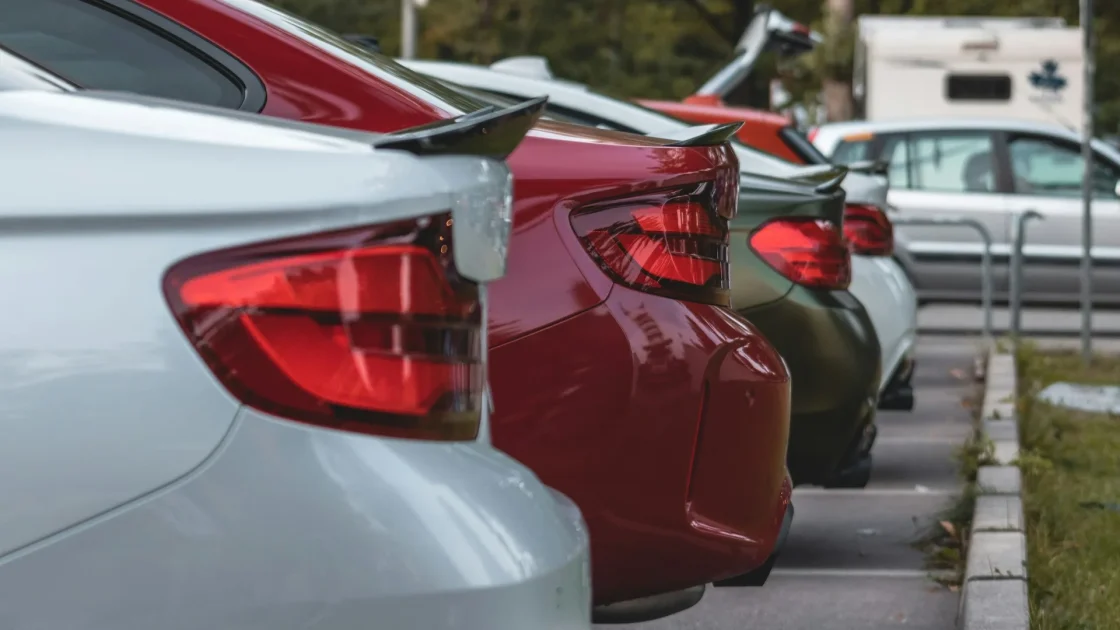
Most parking assist systems use ultrasonic sensors, the little round buttons embedded in your front and rear bumpers. They send out sound pulses and listen for the echo to judge how close an object is. When one sensor stops reporting sensible data, the car cannot trust the whole array, so it shuts the system down and posts a fault.
That is the key thing to understand: one bad sensor usually takes the entire system offline, not just its own corner. So the job is finding the single sensor that is unhappy. The background piece on how ultrasonic parking sensors work is worth a read if you want to picture what is happening behind the plastic.
The fault can be permanent or temporary. A temporary one, from mud or ice, clears the moment the blockage is gone. A permanent one, from a cracked or dead sensor, stays until the part is replaced. We test for the easy kind first.
Step one: clean every sensor
This is the fix at least half the time, and it costs nothing. Ultrasonic sensors are fussy about their faces being clear. A film of road grime, a splatter of mud, snow, ice, or even a thick coat of wax can muffle the pulse enough to trip a fault.
-
Find all of them
Walk the bumpers and count the round sensor buttons, front and rear. A typical car has four to eight. Note where each one sits so you can check them methodically.
-
Wipe each face gently
Use a damp microfiber cloth and light pressure. Clear off mud, bug splatter, ice, and salt. Do not gouge at them or use a pressure washer up close, the membrane inside is delicate.
-
Check for hidden blockage
Look for a stone lodged against a sensor, a smear of wax buildup, or a stuck-on leaf. Small things throw big echoes.
If your fault appeared right after a wash or a snowy drive, this is very likely your whole answer. The overlap with parking sensors beeping for no reason is huge, because a partly blocked sensor either goes silent or screams, depending on the car.
Tip
Do the cleaning test on a dry day and back up slowly in an open space afterward. If the beeps return to normal, you found it. Clean sensors are the single most common cure for this message.
Step two: reset the system
If the sensors are spotless and the light is still on, clear it and see if it was a one-time glitch. Turn the car fully off, lock it, and leave it to sleep for ten minutes so the module powers down completely. Then start up and test reverse again.
If that does not do it, the general reset order in how to clear an ADAS warning light applies here too. A basic code reader can erase the stored parking-aid fault, which tells you a lot: if it stays off, it was a transient glitch, and if it comes right back, one sensor is genuinely failing.
Step three: find the failing sensor
A fault that returns after cleaning and resetting points at a specific sensor that is dead or damaged. A curb tap, a low-speed bump, or a bumper scrape can crack a sensor or pop its connector loose. There are two clues you can read without any tools.
- Press your ear near each sensor with the system active. A healthy ultrasonic sensor gives a faint clicking or ticking. A silent one is suspect.
- Look for physical damage: a cracked face, a sensor pushed in at an angle, or paint overspray from a recent bumper repair sealing it over.
- Recall any recent bumper work. A sensor reinstalled loosely or painted over is a classic post-repair fault.
Watch out
If a bumper was recently repaired or repainted, a parking assist fault often means a sensor was disturbed or the sensor face got a coat of paint. Paint over the membrane will kill the echo every time. That one usually goes back to whoever did the bodywork.
Sensor faults versus the rest of the parking system
Ultrasonic sensors are the usual suspect, but not the only one. A rear-facing camera can throw its own parking-related warning, and that is a different fix. Here is how the common causes sort out.
| Symptom | Likely cause | DIY difficulty |
|---|---|---|
| Fault after wash, snow, or mud | Blocked sensor face | Easy, clean it |
| Fault after a curb or bump | Cracked or unseated sensor | Moderate, may need a part |
| Fault after bumper repair | Painted-over or loose sensor | Return to body shop |
| One sensor always beeps wrong | Single failed sensor | Replace that sensor |
Because these sensors live low on the bumper and take the worst of the weather and road spray, keeping them clean is the best prevention. The general habits in cleaning ADAS sensors the right way apply directly, and a light monthly wipe of the bumper buttons prevents most winter faults.
If you want the official line on how parking and reversing aids are meant to function, the consumer explainer at MyCarDoesWhat is a clear, brand-neutral reference.
Putting it back to normal
Work it in that order and a parking assist fault rarely beats you. Clean every sensor, reset the system with a full sleep, then hunt the one dead sensor if the fault returns. Most of the time you never get past the cleaning cloth. Save the parts order and the shop for the sensor that is genuinely cracked, and back into that tight spot with your beeps restored.
Frequently asked questions
Most often a single ultrasonic sensor that cannot report clean data, usually because it is blocked by mud, ice, or wax, or because it is cracked from a curb tap. When one sensor stops reporting, the car shuts the whole array down and posts a fault. Cleaning the sensor faces resolves it about half the time.
Usually yes. Start by cleaning every sensor face with a damp cloth, then do a full key-off reset by letting the car sleep for ten minutes. If the fault returns, look for a single cracked or unseated sensor. Only a genuinely failed sensor or camera needs a part or a shop.
Water, residue, or leftover wax on the sensor faces can muffle the ultrasonic pulse enough to trip a fault. This is temporary. Dry and wipe each sensor, then back up slowly in an open space to confirm the beeps return. It is one of the most common and easily fixed causes.
It can. If a sensor was reinstalled loosely, left unplugged, or painted over during the repair, the system will fault. Paint over the sensor membrane blocks the echo completely. A parking fault that appears right after bodywork should go back to the shop that did the repair.
Keep reading
Related guides
Fix ADAS Errors After a Dead Battery
Why a jump start lights up half your dash, and the driveway steps that bring the systems back.
Read guide
Reset the Tire Size for ADAS Accuracy
Why a different tire size confuses your speed and radar data, and how to get it relearned.
Read guide
Fix a Front Radar Blocked Message
Find the radar behind your grille or badge, clear what is covering it, and drive a cycle before you pay anyone.
Read guide