Calibration After Windshield Chip Repair
Whether a resin chip repair touches your forward camera, and when calibration is actually required.

Key takeaways
- A true chip repair that injects resin and never removes the glass usually does not require ADAS recalibration.
- The rule changes the moment the windshield is replaced rather than repaired, which always affects the camera.
- If a chip sits directly in the camera's viewing zone, even a repair can distort what the camera sees.
- When a warning appears right after any glass work, get the forward camera checked before trusting lane and braking systems.
A stone kicks up off a truck, cracks against your glass, and leaves a little star-shaped chip. You book a mobile chip repair, a technician shows up, injects some resin, and forty minutes later the chip has all but vanished. Then you remember the forward camera sitting up behind your mirror, and a worry creeps in. Did that repair just knock your lane keeping and automatic braking out of alignment?
It is a smart question, and one I got often when I was calibrating these systems. The short version is that a genuine chip repair and a full windshield replacement are two very different events for your ADAS camera, and confusing them leads people to either panic over nothing or skip a calibration they genuinely needed.
Let me walk through when a chip repair is a non-event for your camera, when it is not, and how to tell which situation you are in.
Repair versus replacement is the whole question
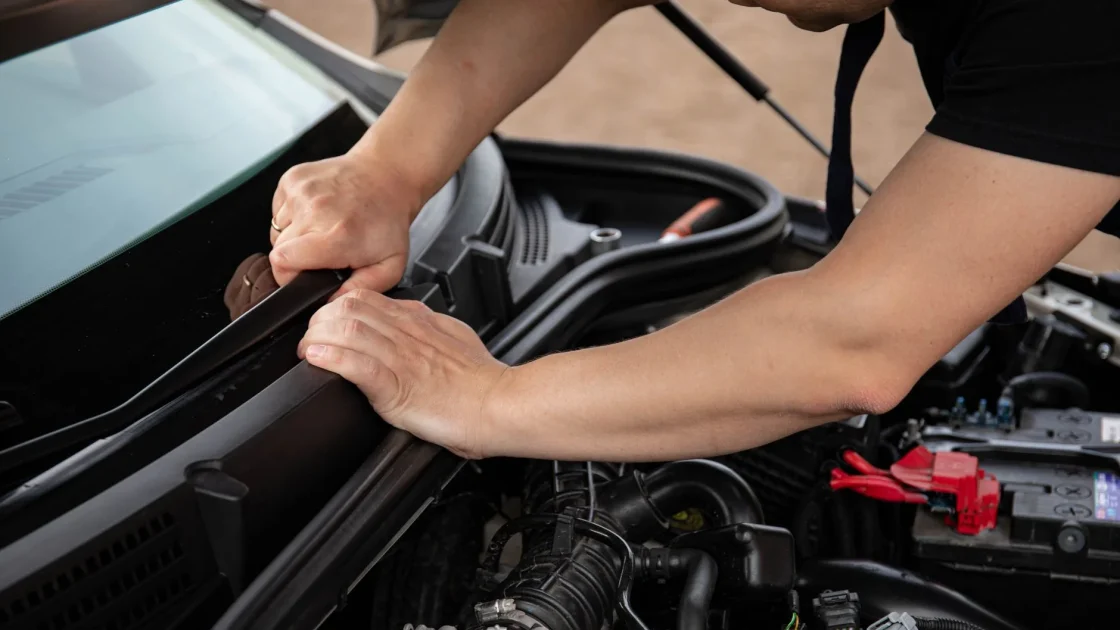
The distinction that matters is simple. A chip repair leaves your original windshield in place. A replacement takes the whole windshield out and bonds in a new one. Those are not variations on the same job, they are different jobs with different consequences for the camera.
Your forward camera is mounted to a bracket on the windshield, aimed through the glass at a precise angle. During a chip repair, that bracket never moves and the glass never comes out. The technician drills a tiny bit into the chip, injects clear resin under pressure, and cures it. The camera keeps pointing exactly where it always did.
During a replacement, the entire optical path changes. New glass has slightly different thickness and optical properties, the camera bracket is disturbed, and the aim is no longer guaranteed. That is why a windshield swap needs recalibration every single time, without exception. A repair does not carry that same automatic requirement.
Tip
Ask the shop one question: are you repairing the chip or replacing the windshield? If they are injecting resin into your existing glass, calibration is usually not triggered. If they are installing new glass, calibration is mandatory.
When a chip repair does affect the camera
Now for the honest complication, because it is not a flat rule. There is one scenario where even a proper chip repair can matter to your ADAS camera, and that is location.
The forward camera looks through a specific patch of the windshield, a zone directly in its line of sight. If the chip, and therefore the repair, sits right in that viewing area, the cured resin can create a small optical distortion exactly where the camera is trying to read the road. Resin repairs are never perfectly invisible up close, and a blemish anywhere else on the glass is cosmetic, but a blemish in the camera’s window is not.
Most reputable glass shops know this and will tell you if a chip falls in the camera zone. In that case they may recommend replacement rather than repair, or at least a camera check afterward. The rundown of signs your ADAS needs recalibration helps you judge whether the camera is struggling after the work.
Away from that central zone, a chip repair is genuinely a cosmetic and structural fix with no bearing on the camera. The vast majority of chips are nowhere near the camera’s sightline.
What the camera actually sees
To understand why location matters so much, it helps to know how the camera is set up. It sits high on the windshield, behind the rearview mirror, looking forward and slightly down at the road. If you want the full picture of where it lives and why, the guide on the camera behind your rearview mirror covers it, and the piece on the forward ADAS camera location shows the exact spot on different cars.
Because it reads lane lines and the car ahead through that fixed window, anything in that window affects it. A wiper streak, a smear, an ice patch, or a resin repair in the wrong spot all interfere the same way. This is also why simply keeping that area clean matters so much for these systems day to day.
Watch out
If a driver-assist warning appears right after a chip repair, do not assume it is coincidence. Check whether the repair sits in the camera’s viewing zone, and have the camera evaluated before you rely on lane keeping or automatic braking again.
How to decide whether you need calibration
Here is the practical sequence I would use after a chip repair, laid out in order.
-
Confirm it was a repair, not a replacement
If the original glass stayed in the car and only resin was added, you are almost certainly in the no-calibration case. If the glass was replaced, calibration is required regardless.
-
Check where the chip sat
Look at the repaired spot relative to the black camera housing behind your mirror. If it is well away from that sightline, it does not touch the camera. If it is close, note that.
-
Watch for warning lights on the next drive
Drive a well-marked road and see whether any lane, camera, or collision warning appears. A clean drive is a good sign the camera is unaffected.
-
Get it checked if anything seems off
If a warning shows or the systems behave oddly, have a shop scan the camera. The overview in the complete guide to ADAS calibration explains what that check involves.
Why this matters more than it used to
A generation ago, a chipped windshield was purely a structural and visibility concern. Today that same piece of glass is a mounting platform for a safety camera, which changes the stakes of any work done to it. Even so, the industry sometimes over-warns, quoting calibration on jobs that never touched the camera, so it pays to know where the real line is.
For an independent view of how these camera-based systems work and why keeping the glass in front of them clear matters, the driver-education project MyCarDoesWhat keeps a helpful primer: MyCarDoesWhat lane departure warning.
So the takeaway I would leave you with is measured rather than alarmist. Repair your chips promptly, because a small chip left alone can spread into a crack that forces a full replacement, and that is the job that truly requires calibration. But do not let anyone talk you into recalibrating your camera for a resin repair sitting far from the camera’s window. Know the difference between repair and replacement, know where your camera looks, and you will know exactly when calibration is on the table and when it is not.
Frequently asked questions
Usually not. A true chip repair injects resin into your existing glass and never removes the windshield, so the forward camera is not disturbed and its aim does not change. The exception is when the chip sits directly in the camera's viewing zone, where cured resin could distort what the camera sees. A full windshield replacement, on the other hand, always requires calibration.
A chip repair keeps your original windshield in place and only adds resin to the damaged spot, so the camera bracket and aim stay put. A replacement removes the whole windshield and installs new glass, which disturbs the camera mounting and changes the optics. That is why replacement always triggers recalibration and a simple repair generally does not.
Yes, if the chip or the repair sits in the small patch of glass the camera looks through. Resin repairs are never perfectly invisible, and a blemish in the camera's sightline can interfere with how it reads lane lines and the road ahead. In that case, many shops recommend replacement or at least a camera check after the repair.
Do not assume it is a coincidence. Check whether the repaired chip is near the black camera housing behind your rearview mirror, and drive a well-marked road to see if the warning persists. If a lane, camera, or collision warning shows up, have a shop scan the forward camera before you rely on lane keeping or automatic braking again.
Keep reading
Related guides
Signs Your ADAS Needs Recalibration
The quiet ways your cameras and radar tell you they have drifted out of aim, long before a hard fault shows up.
Read guide
Insurance and ADAS Calibration Costs
What calibration costs on a claim, when insurance pays, and how to avoid getting stuck in the middle.
Read guide
Dealer vs Independent ADAS Calibration
When to pay the dealer premium and when a good independent shop is the smarter call for your ADAS calibration.
Read guide