Does Disconnecting the Battery Reset ADAS?
The battery-pull myth, answered straight: what it clears, what it cannot, and when it is worth trying.

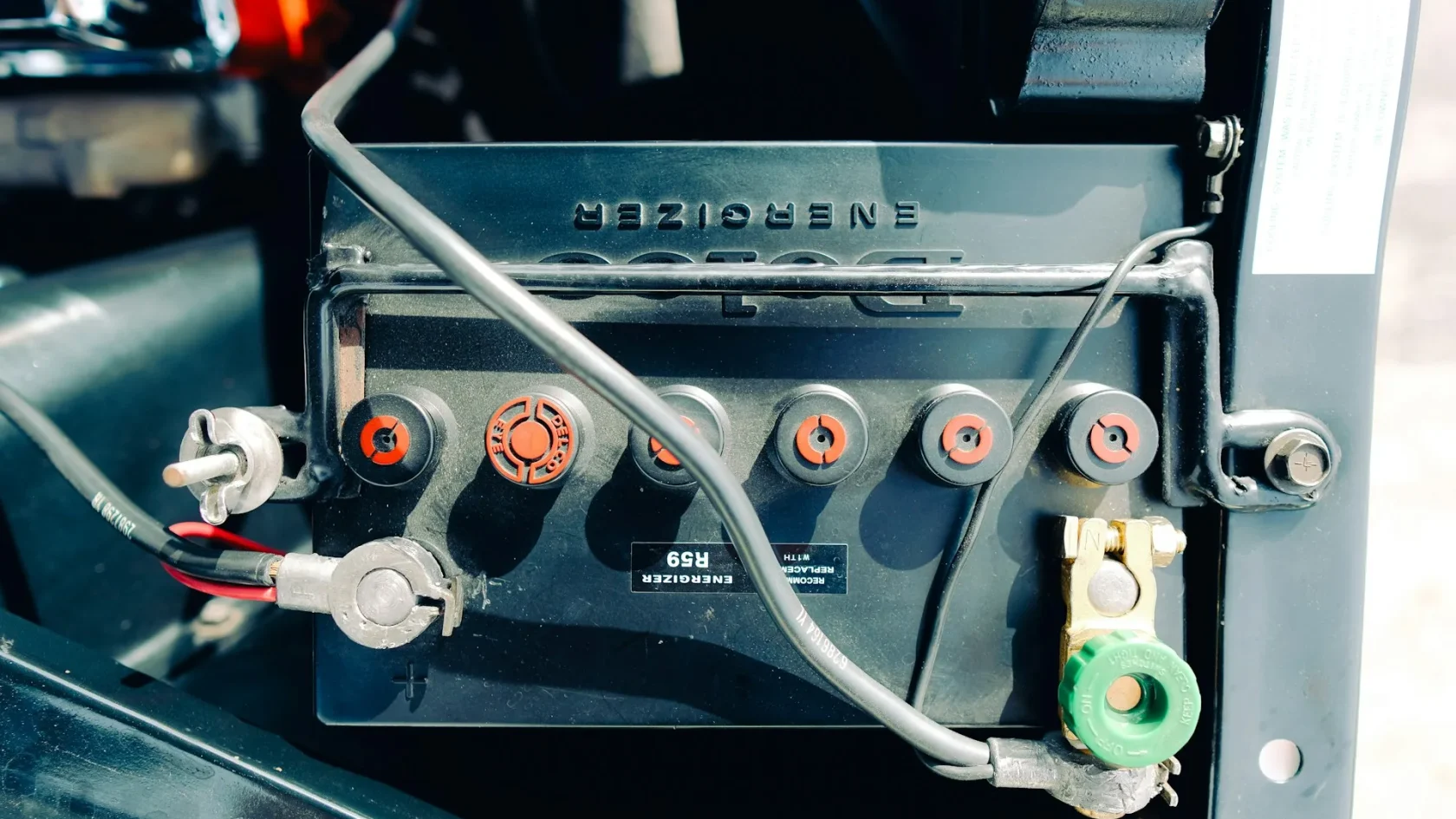
Key takeaways
- Disconnecting the battery can clear leftover or glitchy codes but never recalibrates a camera or radar.
- If a warning returns right after you reconnect, the fault is live and needs a scan or calibration.
- Leave the negative terminal off for a full 15 to 20 minutes, not a quick tap, for it to help.
- On cars with a battery management system, a disconnect can create new codes, so check the manual first.
Short answer, because I know that is what you came for: disconnecting the 12-volt battery does not truly reset your ADAS. It clears some warning codes and reboots the modules, but it does not recalibrate a single camera or radar. I spent years aiming those sensors for a living, and I lost count of how many people rolled in convinced a battery pull had “fixed” their lane or radar system, only to find the light back a day later.
So let me answer this the way I would if you were standing in my bay. I will tell you exactly what a battery disconnect does change, what it leaves untouched, and when pulling the terminal is a smart first move versus a waste of an afternoon. This is written as a straight question-and-answer because that is how the topic actually comes up.
ADAS, in case the acronym is new, means advanced driver-assistance systems: the cameras behind your windshield, the radar behind your bumper, and the software that runs lane keeping, adaptive cruise, blind spot alerts, and automatic braking. Those are the systems people hope a battery reset will cure.
Does pulling the battery reset ADAS warning lights?
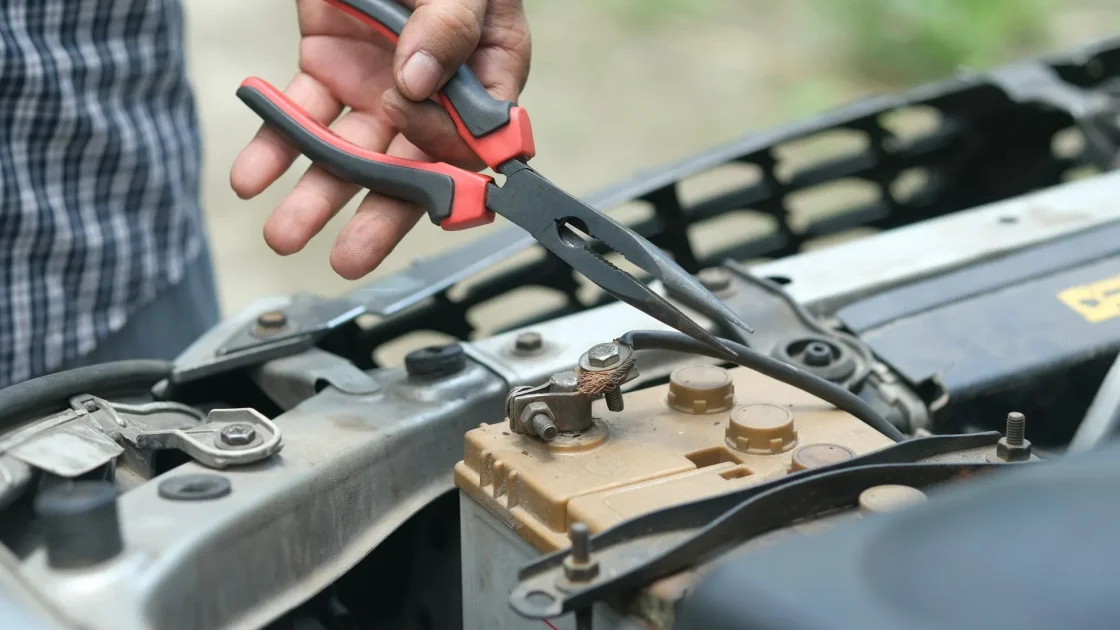
Sometimes, and only for the right kind of light. If a warning was caused by a temporary glitch, a low-voltage hiccup, or a stored code that lingered after you already fixed the real problem, disconnecting the battery for 15 to 20 minutes can clear it. The modules lose power, dump their volatile memory, and boot fresh. The light comes back off.
What it will not do is clear a light caused by a sensor that is out of aim, blocked, or actually failing. Those faults get re-detected the moment the car powers up and looks through a misaligned camera. The code returns almost instantly. I have watched a driver disconnect a battery three times in a parking lot, each time surprised the radar light came right back, because the radar was pointing at the ground after a fender bender.
Quick rule
A battery pull can clear a leftover or glitchy code. It cannot clear a live fault. If the underlying cause is still there, the light returns as soon as the system re-checks itself.
What actually happens when you disconnect the battery?
Three things, and none of them are calibration. First, every module on the car loses power and its short-term memory clears. Second, adaptive settings that the car learned over time, things like throttle mapping, some transmission shift points, and certain radio and clock presets, get wiped and have to relearn. Third, any diagnostic code that was not actively re-triggering falls off.
Notice what is missing from that list. The physical aim of your forward camera does not move. The angle of your front radar does not change. The calibration data that tells the system where straight ahead is stays exactly as wrong, or as right, as it was before. That is why a reset and a calibration are two completely different jobs. If you want the fuller picture on clearing codes safely, the guide on how to clear an ADAS warning light walks through the options in order.
Then why do people say the battery trick worked?
Because sometimes it genuinely does, and those stories travel. If your light came from a one-time voltage sag, a jump start gone weird, or a sensor that got briefly confused and stored a code, the disconnect clears the leftover and the problem never returns. That is a real fix for a real category of nuisance codes.
The trouble is people apply it to the wrong problems. A windshield was just replaced, or a bumper repaired, or new tires fitted, and the camera or radar needs re-aiming. A battery pull does nothing for those, but the internet keeps recommending it. If your light followed one of those events, skip the battery and read up on why a scan tool is usually required in the piece on whether you need a scan tool to reset ADAS.
How do I disconnect the battery safely if I want to try it?
If your light is the nuisance kind and you want to give it a shot, here is the sequence I use so nothing gets damaged and no new problems appear.
-
Park, turn everything off, remove the key
Let the car sit for a minute so the modules go to sleep. Kill the ignition fully and take the key or fob well away from the car.
-
Loosen the negative terminal first
Use the correct wrench, usually 10mm, and lift the negative (black, marked with a minus) cable off the post. Tuck it aside so it cannot spring back and touch metal.
-
Wait a full 15 to 20 minutes
A five-second tap is not enough on modern cars. The modules hold residual charge. Give it a proper wait so memory truly clears.
-
Reconnect and drive a normal cycle
Snug the negative cable back down, start the car, and drive at road speed for a few miles so the systems re-check. Some assist features relearn over that first drive.
Watch out
On some VW, Audi, and newer BMW models, a battery disconnect can trigger extra fault codes or require the battery to be re-registered to the charging system. If your car has a battery management system, check your owner’s manual before you pull a terminal, or you may create new warnings.
What if the light comes right back?
That is your car telling you the fault is live, not leftover. When a light returns within a mile or two of reconnecting, the sensor is either blocked, out of calibration, or failing, and no amount of battery pulling will change that. The next honest step is a drive cycle or a proper scan.
A full drive cycle gives the car a structured chance to run its self-tests, and I explain exactly how to do one in the guide on the ADAS drive cycle. If that still does not clear it, or if the light followed a windshield or bumper job, you are into calibration territory, which the complete ADAS calibration guide covers from start to finish. And if you have already tried resets and nothing sticks, the piece on what to do when a reset will not work lays out the next moves.
The honest bottom-line-free takeaway
Here is how I frame it for friends. Think of the battery disconnect as pressing the reset button on a frozen laptop. It clears a stuck state beautifully, but it does not repair broken hardware and it does not re-aim a lens. If your ADAS light was a glitch, the trick is a fair first try and costs you nothing but 20 minutes. If it was a blocked, bent, or miscalibrated sensor, you are only postponing the real fix.
For the record on why these systems are worth keeping healthy rather than just muting, the National Highway Traffic Safety Administration has a clear rundown of what each feature does and why it matters: NHTSA driver assistance technologies. Keep the sensors clean, respect what the light is telling you, and reach for the battery trick only when you have reason to think the code is just a leftover.
Frequently asked questions
No. A battery disconnect reboots the modules and can clear leftover codes, but it never changes the physical aim of a camera or radar. Calibration is a separate procedure done with targets and often a scan tool. If your sensor was out of alignment before the disconnect, it is still out of alignment after.
Give it a full 15 to 20 minutes with the negative terminal off. A quick tap of the cable is not enough on modern cars because the modules hold residual charge for a while. After reconnecting, drive a few miles at road speed so the systems can run their self-checks.
It can. You will lose radio presets, the clock, and some learned settings, and on cars with a battery management system it may set new codes or require the battery to be re-registered. Check your owner's manual first if you drive a VW, Audi, or recent BMW, since those are the most sensitive to a disconnect.
That means the fault is live, not a leftover code, so the battery trick has done its job and confirmed the problem is real. Try a proper drive cycle first, and if the light stays, get the car scanned. A light that returns immediately usually points to a blocked, failing, or miscalibrated sensor that needs hands-on service.
Keep reading
Related guides

Warning Lights After a Car Wash: Fixes
Why the dash lights up after a wash, and the quick steps that clear it before you worry.
Read guide
What a Drive Cycle Is and How to Do It
A plain-English guide to the drive that lets your car finish its self-checks and clear a light.
Read guide
Reset the Tire Size for ADAS Accuracy
Why a different tire size confuses your speed and radar data, and how to get it relearned.
Read guide