Warning Lights After a Car Wash: Fixes
Why the dash lights up after a wash, and the quick steps that clear it before you worry.

Key takeaways
- Most post-wash warning lights are water or residue temporarily blocking a camera or radar.
- Touchless and high-pressure washes can force water into sensor housings and connectors.
- Drying the sensors and driving a short cycle clears the majority of these lights on their own.
- A light that stays after the car dries fully points to a deeper fault, not the wash.
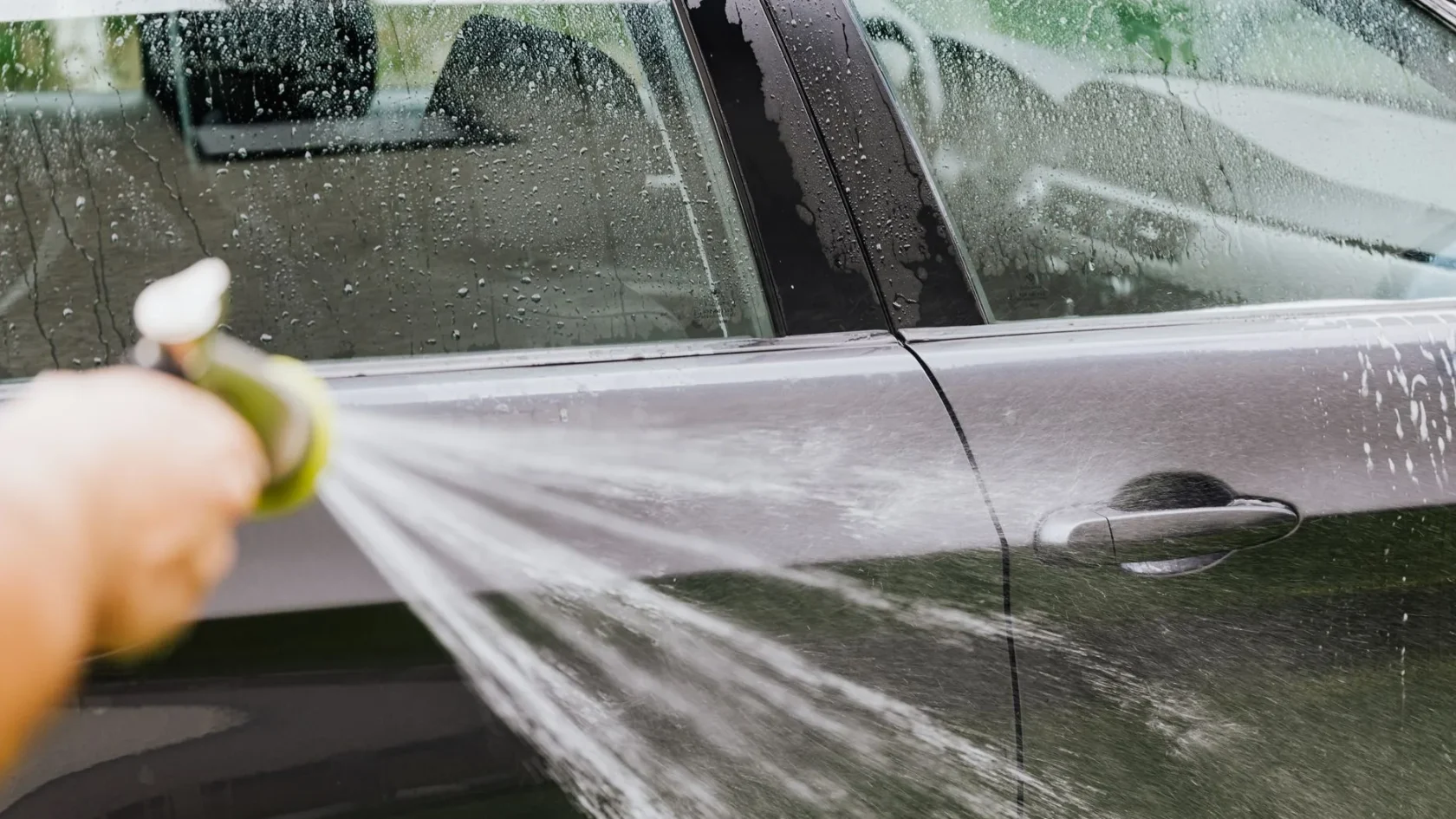
You pull out of the car wash with a gleaming car and a dashboard that suddenly looks like a Christmas tree. Lane assist unavailable, front radar blocked, maybe a parking sensor warning for good measure. It is a jarring combination, a spotless car and a panel full of amber lights, and it sends a lot of people straight into a worry spiral.
Take a breath. In my years calibrating and troubleshooting these systems, warning lights right after a wash were one of the most predictable things I saw, and one of the most harmless. Your sensors are wet, and wet sensors cannot see. That is nearly always the whole story.
Let me explain exactly why a car wash does this, and the short list of steps that clears it so you are not paying a shop for a puddle.
Why a wash sets off the lights
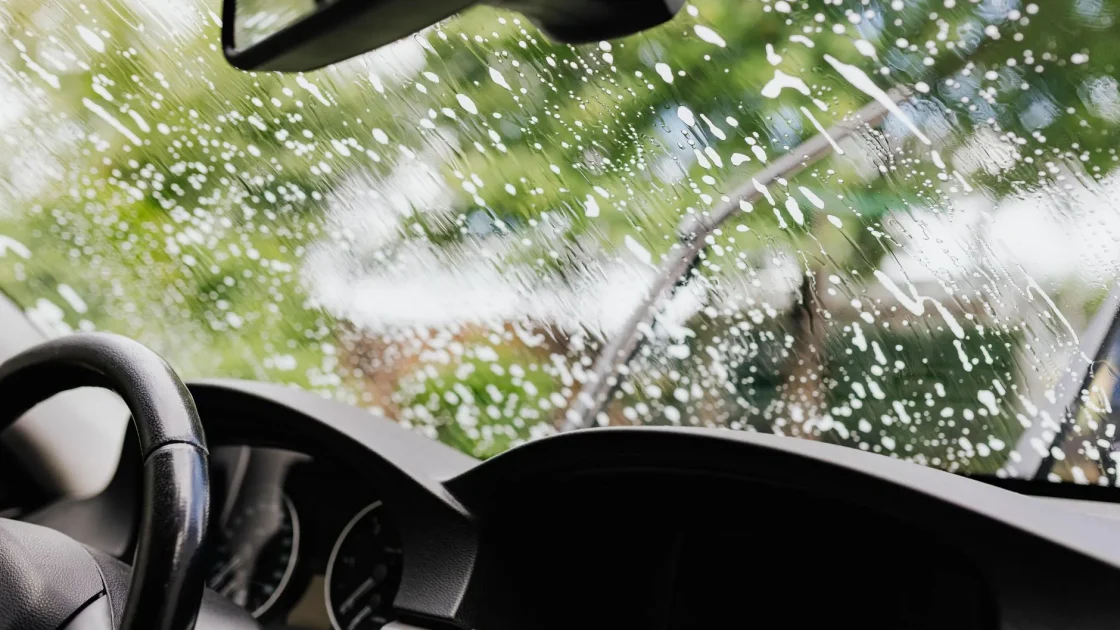
Your ADAS relies on cameras and radar with a clear line of sight. A car wash coats every one of those surfaces in water, foam, and sometimes a wax film. For a few minutes, the sensors are looking through a blur, so the car does the sensible thing and switches the affected systems off, throwing an amber light to tell you.
The front camera behind the windshield gets streaked with water and residue. The forward radar behind the grille or emblem gets a film over it. The ultrasonic parking sensors in the bumpers get droplets clinging to them, which is why they sometimes chirp or flag a fault right after. None of that is damage. It is temporary blindness.
Touchless and high-pressure washes are the most common trigger because the strong jets drive water into places a gentle hand wash would not reach, including sensor housings and connector seams. The guide on why rain disables driver-assist sensors explains the same principle, since a wash is basically a very intense rainstorm aimed at your car.
The short version
A car wash blinds your sensors with water and film. The systems shut off on purpose and light an amber warning. Dry the sensors, drive a bit, and it almost always clears itself.
The quick fixes, in order
Before you assume anything is broken, work through these. Most people are done by the second one.
-
Dry the sensor areas
Take a microfiber cloth and dry the windshield in front of the camera, the front grille and emblem where the radar sits, and the bumper faces where the parking sensors live.
-
Drive a normal cycle
Get on the road at a steady speed for a few miles. Airflow finishes drying the sensors and most systems re-check themselves and clear the light.
-
Check for stuck residue
Look for dried wax, foam streaks, or a water spot right over a sensor. A gentle wipe removes what the wash left behind.
-
Give it a full dry-out
If water got into a housing, parking the car for a few hours to dry can clear a light that a quick drive did not.
Tip
Next time, dry the sensor spots by hand as you towel the car off. Thirty seconds on the windshield camera and the bumper faces often prevents the lights from ever appearing.
The parking sensors deserve their own note
Ultrasonic parking sensors are especially prone to acting up after a wash because water droplets sitting on them change what they hear. You might get phantom beeping, a solid warning, or sensors that read an obstacle that is not there.
This is usually just water on the sensor face and clears as it dries. If the beeping persists after everything is dry, though, there may be more going on, and the guide on parking sensors beeping for no reason walks through the deeper causes. For the broader case where several assist features drop out at once, the driver assist not available fix covers how to bring the whole suite back.
When it is not the wash
Here is the line I want you to remember. A wash-related light should clear once the car is fully dry and you have driven a short cycle. If it does, the wash was the cause and you are done.
If the light stays on after the car has dried completely and you have driven a few miles, the wash probably only revealed a problem that was already brewing, or a high-pressure jet knocked something loose. A jet strong enough to move a bumper cover slightly, or to disturb a radar bracket, can nudge a sensor out of aim, and that will not dry off. In that case the fix is a scan and possibly a recalibration, which the complete guide to ADAS calibration explains.
There is also the rare case where water reaches a connector and causes a corrosion fault over time. That shows up as a light that keeps returning even on dry days, and it needs a proper diagnosis rather than another wipe-down. The overview on how ADAS sensors fail over time covers what a genuine failure looks like versus a temporary block.
Watch out
Until the light clears, that assist feature is off. Do not count on lane assist, automatic braking, or parking sensors right after a wash. Drive as if they are not there until the dash confirms they are back.
How to keep the lights away next time
A few habits make post-wash lights far less likely, and they cost nothing.
- Dry the sensor spots by hand: windshield camera, front emblem or grille, and the bumper faces.
- Favor a gentler wash if your car is sensitive, since high-pressure jets are the worst offenders.
- Give the car a short drive after washing so airflow dries the sensors before you park.
- Wipe away any dried wax or foam sitting directly over a sensor.
For a general reference on how these driver-assist systems are meant to behave, the National Highway Traffic Safety Administration keeps a plain overview worth bookmarking: NHTSA driver assistance technologies.
So when the dash lights up after a wash, resist the urge to book a repair. Nine times out of ten it is water where your sensors need to see, and it clears with a towel and a short drive. Save the shop visit for the rare light that survives a full dry-out, because that one is telling you something the wash did not cause.
Frequently asked questions
Almost always because water, foam, or wax film is temporarily blocking your cameras and radar. The systems need a clear view, so when the sensors are wet the car switches those features off and shows an amber warning. It is not damage, it is the car being cautious, and it usually clears once the sensors dry.
Dry the sensor areas by hand: the windshield in front of the camera, the front grille or emblem where the radar sits, and the bumper faces with the parking sensors. Then drive a normal cycle for a few miles so airflow finishes drying them. Most systems re-check themselves and clear the light on their own within that drive.
It rarely damages a sensor outright, but strong jets can force water into housings and connectors and, in some cases, nudge a bumper-mounted sensor slightly out of aim. If a light clears once the car dries, the wash only caused a temporary block. If it stays after a full dry-out, the wash may have disturbed something that needs a scan or recalibration.
Ultrasonic parking sensors are sensitive to water droplets sitting on their faces, which can cause phantom beeping or false obstacle warnings. This usually clears as the sensors dry. If the beeping continues after everything is fully dry, there may be a deeper issue with a sensor or its wiring that needs a closer look.
Keep reading
Related guides
Parking Sensors Beeping for No Reason
Track down phantom beeps in order: clean the pucks, check the bumper, then rule out a failed sensor.
Read guide
Blind Spot Monitor Not Working: Fixes
Check the switch, clean both rear corners, rule out a hitch or trailer, then look at the sensors and a scan.
Read guide
Lane Keep Assist Won’t Turn On: Fixes
Work it in order: speed, switch, camera, marked road, then a reset before you pay for calibration.
Read guide