Why Rain Disables Driver-Assist Sensors
Rain switches your driver-assist systems off on purpose, and knowing why keeps a stormy dashboard from rattling you.

Key takeaways
- Heavy rain blurs the windshield camera and scatters radar, so the car switches assist features off on purpose.
- If the warnings clear once the rain eases and sensors dry, nothing is wrong with your car.
- Good wiper blades and clean glass keep the camera seeing and cut down on dropouts.
- Warnings that persist on a dry, clear day point to a smudge, chip, or drifting calibration, not weather.
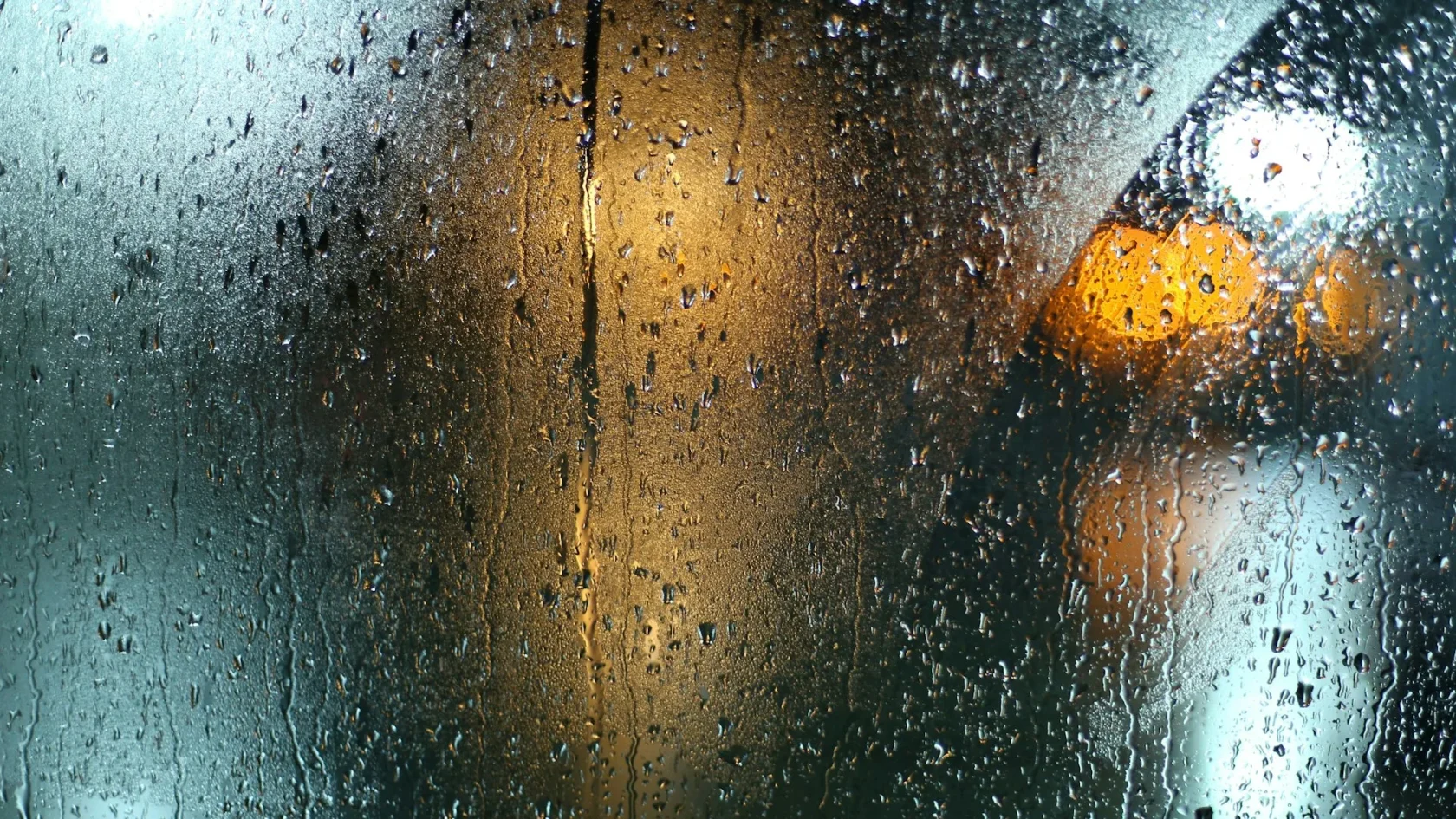
You are driving through a downpour, the wipers slapping at full speed, and a cluster of amber messages lights up: lane assist off, adaptive cruise unavailable, front camera obscured. It feels like the worst possible time for your safety systems to quit. The honest answer is that they did not quit. They stepped back on purpose, and that is the system working the way it should.
I got this question constantly in the shop, usually from someone convinced the rain had broken something. It had not. Rain is the single most common weather trigger for a temporary ADAS shutdown, and understanding why turns a scary dashboard into a predictable one. Let me answer it the way I answered it across the service counter, one plain question at a time.
Here is what rain actually does to the cameras and radar behind your driver-assist systems, and what you should and should not do about it.
Why does rain disable driver-assist systems at all?
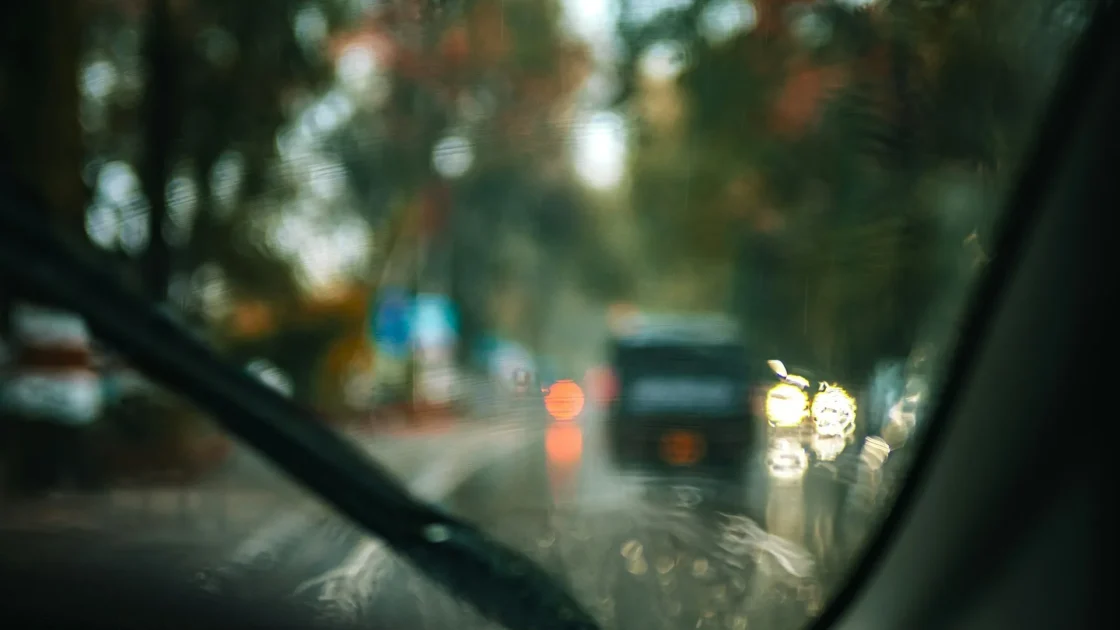
Because the sensors need a clean view of the road, and heavy rain takes that away. Your ADAS runs on two kinds of eyes: a camera behind the windshield that reads lane lines and objects, and radar behind the bumper that measures distance. Rain interferes with both, though in different ways.
The windshield camera is the first to go. Water on the glass, spray kicked up by traffic, and the visual mess of a downpour blur the lane markings it depends on. When the camera cannot trust what it sees, the car switches lane keeping and lane centering off rather than steer on a guess. The guide to what blocks your ADAS camera covers every version of this, and the one on the camera behind your rearview mirror shows exactly where that camera looks.
Radar holds up better in rain than a camera, but heavy enough rain and dense road spray can still scatter its signal and reduce the range it trusts. When the front radar loses confidence, adaptive cruise and forward collision braking back off. The explainer on how car radar sensors work gets into why water affects the beam.
The key idea
The car is not failing. It is refusing to act on data it does not trust. A driver-assist system that stayed on with a blinded camera would be far more dangerous than one that switches off and tells you.
Is something wrong with my car when this happens?
Almost never. If the warnings appeared during rain and clear once the weather eases and the sensors dry, nothing is wrong at all. That is the designed behavior. I would tell people to treat it like a car that pulls its own hand off the wheel when it cannot see: annoying, but correct.
The time to suspect a real problem is when the warnings do not clear after the rain stops and the glass dries out. If lane assist is still off on a clear, dry day, that points to something beyond weather: a smudge or chip in the camera’s view, a wiper leaving a streak right over the sensor, or a calibration that has drifted. The rundown on the clean front camera message walks through sorting a weather event from a genuine fault.
What should I do when the lights come on in rain?
Less than you would think. The single most useful thing is to keep driving as if you have no assist at all, because you do not, and let the systems come back on their own.
-
Do not panic or brake hard
An amber assist light is not a mechanical warning. The car drives normally. Keep both hands on the wheel and your following distance long.
-
Run good wiper blades and rain-repellent glass
The cleaner the wipers keep the windshield, the sooner the camera can see the lines again. Streaky old blades are a real cause of assist dropouts in rain.
-
Let it clear itself
Once the downpour eases and the glass and sensors dry, most systems re-check and switch back on within the same drive, no reset needed.
Tip
Replace wiper blades before winter, not after they start streaking. A clean sweep right over the camera’s patch of windshield is the cheapest way to keep lane assist alive in bad weather.
Does the type of rain matter?
It does. A light, steady rain rarely bothers the systems, because the wipers keep the glass clear and the radar reads through it fine. The trouble comes with the extremes.
Heavy, blinding downpours are the worst for the camera, since the sheer volume of water overwhelms the wipers between strokes. Dense road spray from trucks and fast traffic is almost as bad, and it hits the radar as well as the camera. Wind-driven rain that plasters the front of the car can also coat the radar area behind the bumper, which is more of a slush-and-grime problem in mixed winter weather. For the cold-weather cousin of this issue, snow and ice on ADAS sensors is the one to read, and the broader ADAS and winter driving guide ties it together.
Will the systems come back by themselves?
Yes, in the overwhelming majority of cases. Rain-triggered shutdowns are self-clearing. The car keeps re-checking the sensors, and once they have a clean enough view again, it quietly turns the features back on. You do not need to stop, restart the engine, or visit a shop for a normal rain event.
If you want the regulator’s plain overview of how these systems are meant to behave, the National Highway Traffic Safety Administration keeps a good one: NHTSA driver assistance technologies.
When rain lights are actually telling you something
There is one pattern worth taking seriously. If your assist systems drop out in even light rain, far more easily than they used to, that can hint at a camera that is slightly obstructed or a calibration drifting off. A healthy system shrugs off a drizzle. One that quits at the first drop may have a marginal sensor view that rain simply pushes over the edge.
In that case, clean the windshield thoroughly where the camera sits, check for chips or a wiper streak in that exact spot, and if it keeps happening on clear days too, have the camera checked and recalibrated. A system that used to shrug off weather and now quits at the first drizzle is telling you the sensor view has gotten marginal.
For a normal storm, though, relax. The amber lights are your car being careful, not your car breaking. Keep good wipers on it, drive like the assist is off, and let the systems come back when the road clears. That is exactly what they are built to do, and once you expect it, a rainy dashboard stops rattling you.
Frequently asked questions
Because the camera and radar lose a clear view of the road. Water and spray blur the lane lines the windshield camera reads, and heavy rain scatters the radar signal. Rather than steer or brake on data it does not trust, the car switches the features off and shows an amber warning.
Almost never. If the warnings appear in rain and clear once the weather eases and the sensors dry, that is the designed behavior and nothing is wrong. Suspect a real issue only if the warnings stay on when the glass is dry and the day is clear.
No. Rain-triggered shutdowns are self-clearing. The car keeps re-checking the sensors and turns the features back on by itself once they have a clean enough view. You do not need to stop, restart the engine, or visit a shop for a normal rain event.
If assist features drop out at the first drops, more easily than they used to, the camera may be slightly obstructed or the calibration may have drifted. A healthy system shrugs off a drizzle. Clean the windshield over the camera, check for a chip or wiper streak, and have it recalibrated if it keeps happening on dry days.
Keep reading
Related guides

Corner Radar Sensors: What They Do
The sensors tucked in your rear bumper corners are the reason your mirror lights up when a car sneaks up beside you.
Read guide
How Car Radar Sensors Work
A clear, hands-on explanation of the radar units that power adaptive cruise, automatic braking, and blind spot alerts.
Read guide
The Camera Behind Your Rearview Mirror
That small black box tucked behind your mirror is the eye behind most of your car's safety features.
Read guide