Blind Spot Monitor Not Working: Fixes
Check the switch, clean both rear corners, rule out a hitch or trailer, then look at the sensors and a scan.

Key takeaways
- Blind spot sensors are radar units in the rear corners, so mud and ice there are the top causes of failure.
- A bumped menu toggle or dash button disables the system more often than any real fault.
- A hitch, bike rack, or connected trailer can block or intentionally shut off the monitor.
- If the corners are clean and nothing is in the way, suspect a knocked sensor or a stored fault code.
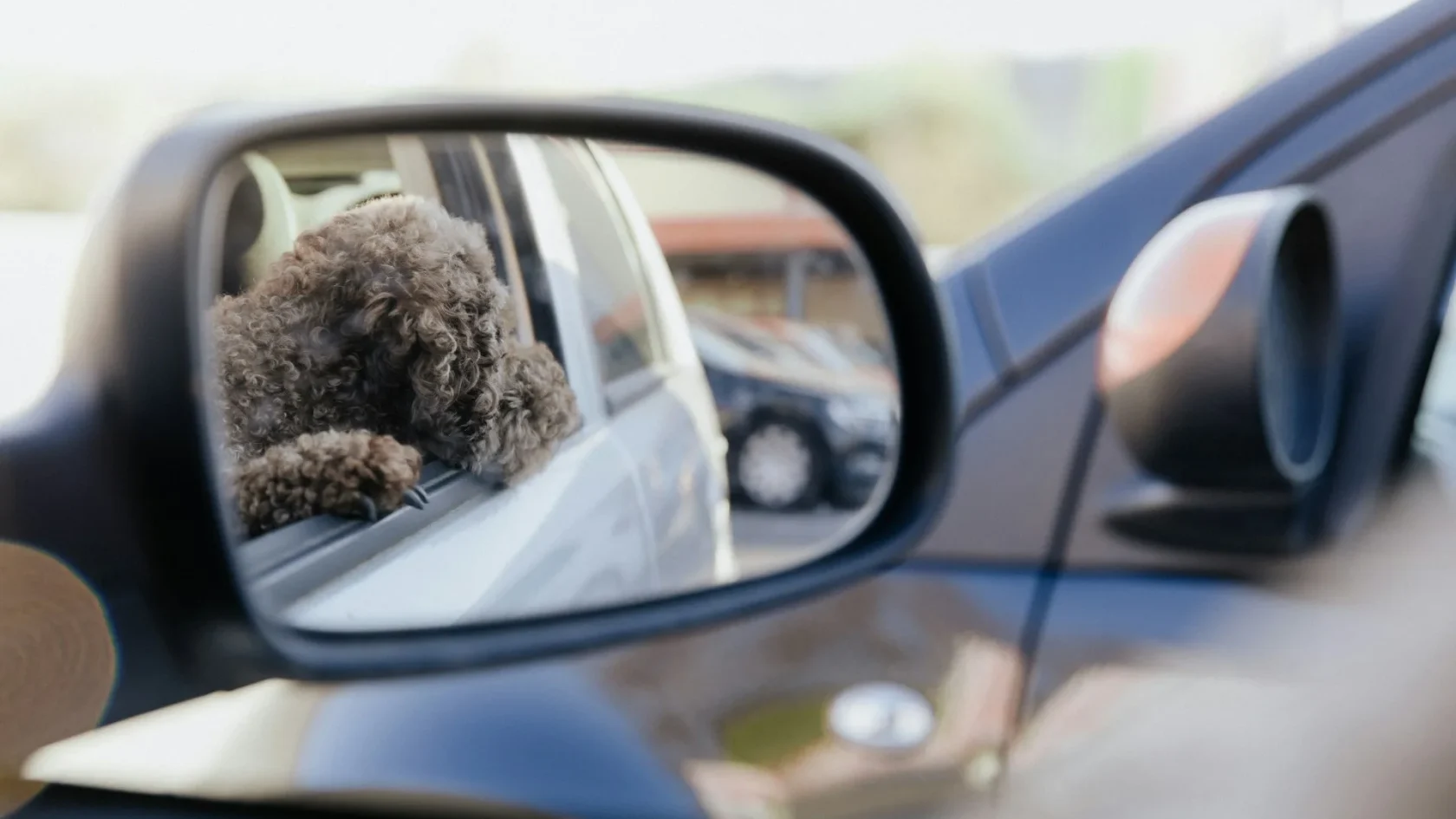
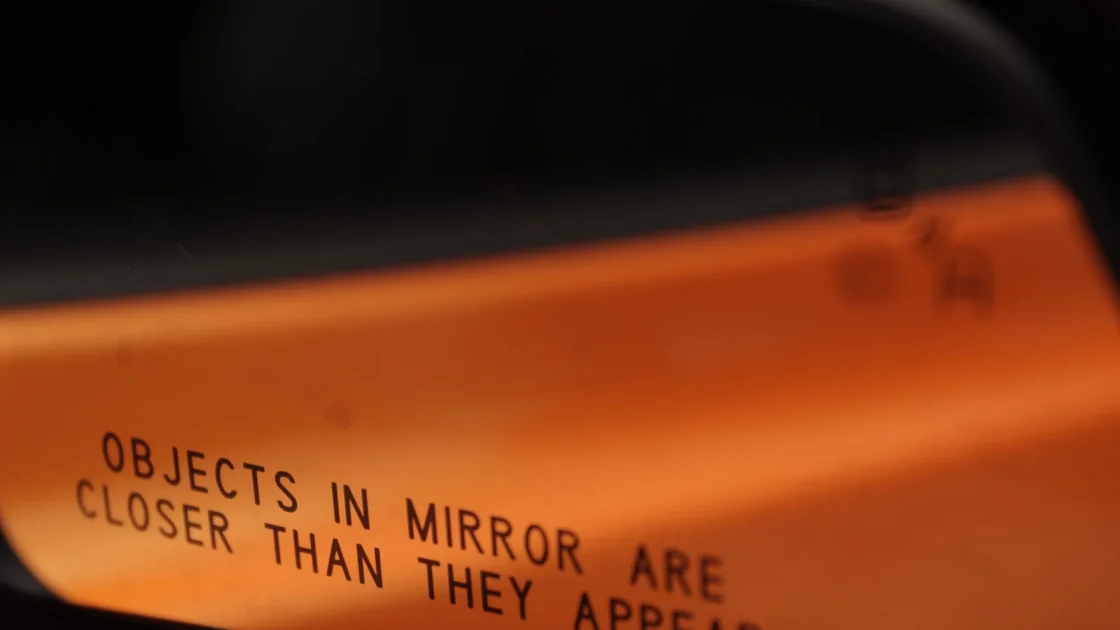
The blind spot monitor is the little light in your side mirror that warns you a car is lurking where you cannot see it. When it stops working, the failure is quiet by nature: no beep, no glow, just nothing when there should be something. That silence is exactly why a dead blind spot monitor is worth taking seriously and worth diagnosing properly.
I worked on these systems for years, and a blind spot monitor that has gone dark almost always traces to one of a handful of causes I can list on one hand. Most you can find and fix in your driveway. Let me troubleshoot it with you from the most likely cause down, so you are not guessing or paying for parts you do not need.
Here is what you are dealing with. Blind spot monitoring usually runs on two small radar sensors buried in the rear corners of your car, behind the bumper skin on the left and right. They watch the lanes beside and behind you. Because they hide in the corners, they are the first sensors to get packed with mud, ice, or road grime, and that is where most trouble starts.
Rule out the fast, free causes first
Before anything else, run down the short list that explains the large majority of dead blind spot monitors. These cost nothing to check.
- The system is switched off. Many cars have a menu toggle or a dash button for blind spot alerts, and it is easy to disable by accident.
- The rear corners are dirty or iced. Caked mud, road salt, slush, or snow over a corner radar blinds it, and winter is the worst offender.
- Something is bolted in the way. A trailer hitch, bike rack, aftermarket bumper, or thick sticker in a corner zone can block or confuse the radar.
- A trailer is connected. Many systems disable blind spot monitoring on purpose while you tow, since a trailer sits in the detection zone.
- A one-time glitch. A soft fault after a jump start or a battery event sometimes just needs a restart to clear.
Walk to the back corners of the car and look. If the bumper is filthy or iced right at the corners, you may have found it already. Wipe both corners clean, restart the car, and see if the mirror lights come back to life on your next drive.
One easy sanity check before you go further: think back to whether the monitor died gradually or all at once. A system that faded over a snowy week almost always traces to buildup on the corners. A system that quit the instant you fitted a tow bar or drove out of a body shop points straight at the hardware you just added or the work that was just done. That single memory saves a lot of poking around.
Tip
Clean both rear corners, not just the side that seems dead. These sensors often share a module, and a fault flagged on one side can disable the pair. Doing both takes a minute and rules out the cheapest cause completely.
Test whether it is really off
It is easy to assume the monitor is broken when it simply has not had a car to detect. Before you go further, confirm it is genuinely not working. On a safe multi-lane road, have traffic pass you and watch the mirror indicators. If they never light even as a car sits right beside you, the system is truly down.
Check the mirror lights themselves too. Most systems flash both indicators briefly at startup as a self-test. If yours stay dark even at key-on, that points to a system fault rather than just a quiet drive. To understand what a healthy warning looks like, the reference on the blind spot monitor warning light shows the normal states, and blind spot monitoring explained covers how the whole thing is meant to behave.
Look at the corner radar sensors
If cleaning the surface and confirming the switch did not do it, the corner radars themselves are the next suspect. These sensors sit behind the bumper, so you cannot see them, but their location tells you a lot. A rear-end tap, a curb scrape, or a bumper repair can knock one out of aim or damage it.
Any recent bodywork on the back of the car is a strong clue. The guides on the corner radar sensors and what they do and the blind spot radar sensors explain how they mount and why a knock throws them off. If the car was rear-ended or the rear bumper was off for any reason, a sensor may need re-aiming or replacing, which is a job for a scan tool.
Watch out
Do not rely on a partly working blind spot monitor. If it lights for cars on one side but not the other, treat it as fully down and check your mirrors and shoulder the old-fashioned way until it is fixed. A system that works only sometimes is more dangerous than one you know is off.
When it is a stored fault
If the sensors are clean, nothing is bolted in the way, no trailer is attached, and the monitor still will not work, you are likely looking at a stored fault code. Sometimes that clears with a simple reset. Sometimes it needs a scan to read exactly which sensor or module is complaining.
A soft glitch after a battery issue can often be cleared, and the general order for that lives in the master guide on how to clear an ADAS warning light. If a basic reset does not bring it back, the piece on whether you need a scan tool to reset ADAS helps you decide the next move, since a stored corner-sensor code often needs a proper read rather than another restart.
For the safety case on why a working blind spot monitor is worth restoring rather than living without, the Insurance Institute for Highway Safety has clear data on how these systems cut lane-change crashes: IIHS blind spot detection.
Work it from the top: check the switch, clean both rear corners, rule out a hitch or trailer, then think about the sensors and a scan. In my experience the corners and the switch account for most dead blind spot monitors, and both are free to check. Clear those and the little mirror light usually blinks back to life the next time a car slides up beside you.
Frequently asked questions
The most common causes are a dirty or iced rear corner where the radar sensor sits, a system toggle switched off by accident, or something like a hitch or trailer in the detection zone. Clean both rear corners, confirm the feature is enabled, and remove anything bolted near the corners. If it still fails, suspect a knocked sensor or a stored fault code.
They are usually two small radar units hidden behind the bumper skin in the rear corners of the car, one on each side. You cannot see them, but their corner location is why they are the first sensors to get packed with mud, salt, or snow. A rear-end tap or bumper repair near those corners can also knock one out of aim.
Yes. Many cars disable blind spot monitoring on purpose when a trailer is connected, because the trailer sits inside the detection zone. A trailer hitch, bike rack, or aftermarket bumper left in place can also block or confuse the corner radar even without a trailer. Remove or fold anything intruding on the corners and recheck.
First clean both rear corners and confirm nothing is blocking them, since that fixes most cases without a reset. For a soft fault after a battery issue, a restart or a short battery-off reset can clear it. If a code is stored and will not self-clear, you may need a scan tool to read and reset the system.
Keep reading
Related guides
Lane Keep Assist Won’t Turn On: Fixes
Work it in order: speed, switch, camera, marked road, then a reset before you pay for calibration.
Read guide
Does Disconnecting the Battery Reset ADAS?
The battery-pull myth, answered straight: what it clears, what it cannot, and when it is worth trying.
Read guide
Fix a Front Radar Blocked Message
Find the radar behind your grille or badge, clear what is covering it, and drive a cycle before you pay anyone.
Read guide