Blind Spot Radar Sensors, Explained
The amber mirror light comes from two small radar units in your rear bumper corners, and here is how they think.

Key takeaways
- Blind spot monitoring uses two short-range radar units, one in each rear corner of the bumper.
- They read through the bumper plastic, so salt, ice, and mud are the top causes of a dead system.
- Metal stickers, chrome frames, and bike racks near the sensors cause false alerts.
- A rear bumper hit can knock the aim off, which often calls for a recalibration.
The little amber triangle that lights up in your side mirror when a car sneaks up beside you has a source, and it is not the mirror. It is a pair of small radar units buried in the rear corners of your car, one on each side, hidden inside the rear bumper. Most people drive for years leaning on that mirror light without ever knowing what actually paints it.
I calibrated and replaced a lot of these during my time in the shop, and the blind spot radar is one of the easier sensors to understand once someone shows you where it lives and how it thinks. It is also one of the easiest to accidentally disable with a smear of road salt or a trailer hitch. This guide covers what the blind spot radar sensor is, where it sits, how it decides to warn you, and why it goes quiet.
If your mirror light stopped working or started crying wolf, the explanation is almost always here.
Two sensors, one in each rear corner
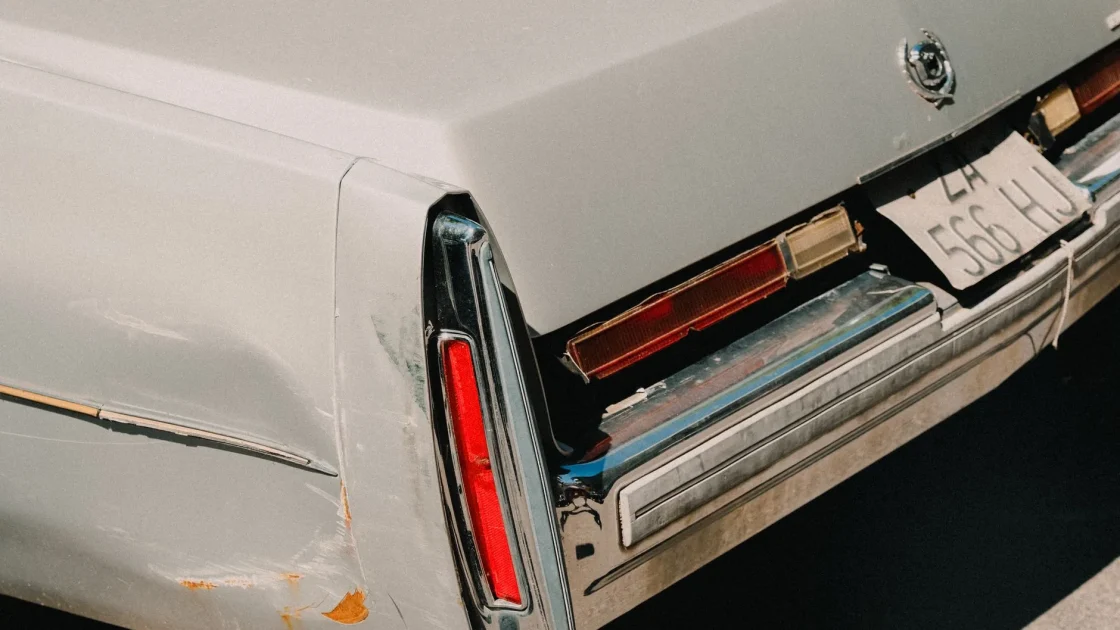
Blind spot monitoring runs on short-range radar, not the camera up front. There are two units, one behind each rear corner of the bumper, angled outward and slightly back. They watch the lanes to your left and right, covering the zone your mirrors miss and a stretch of road behind it.
These are cousins of the corner radar used for rear cross-traffic alerts, and on many cars the same physical units handle both jobs. If you back out of a parking spot and get a warning about a car crossing behind you, that is the same family of sensors at work. The rundown on what corner radar sensors do maps out how these units pull double duty, and rear cross-traffic alert, explained covers the reversing side of the story.
Because they mount inside the rear bumper skin, they read through the plastic the same way the front radar does. That works fine until something coats or covers the plastic right over the sensor.
How it decides to light the mirror
The radar constantly measures the position and speed of objects in the neighboring lanes. When a vehicle enters the defined blind spot zone and stays there, the system lights the icon in the matching mirror. Signal a lane change toward an occupied zone and most cars escalate: the light flashes, and many add a chime or a buzz through the wheel or seat.
The system is tuned to ignore things it should. Guardrails, parked cars you are passing, and your own shadow do not trigger it, because it filters for objects moving with traffic in an adjacent lane. That filtering is why a healthy system rarely nags you without reason. The deeper walkthrough in blind spot monitoring explained simply covers the logic in plain terms, and the guide to the blind spot monitor warning light decodes the dash symbol when the system itself has a fault.
Tip
The mirror light is a backup, not a replacement for a shoulder check. Radar has a small delay and a defined zone. A motorcycle splitting fast or a car diving up from far back can beat the system, so keep turning your head.
Why the warning goes quiet or cries wolf
Two failures bring people to me: the light stops working entirely, or it fires when nothing is there. Both usually trace back to the sensor face.
A dead or intermittent system is most often a blocked sensor. Road salt film, caked mud, slush, or ice over the rear corner of the bumper deadens the radar. In winter I saw this weekly. A thick plastic bumper sticker or a bike rack strap sitting over the sensor area does it too. Clean the rear corners of the bumper and drive a short cycle before assuming anything is broken. The full checklist lives in the guide to a blind spot monitor not working.
False alerts, where the light stays on with an empty lane, point the other way. A sensor knocked slightly out of aim by a rear-end tap, or one confused by a metal object mounted nearby, can see phantoms. A trailer or a bike rack is the classic trigger, which is why many cars let you disable blind spot monitoring while towing.
Watch out
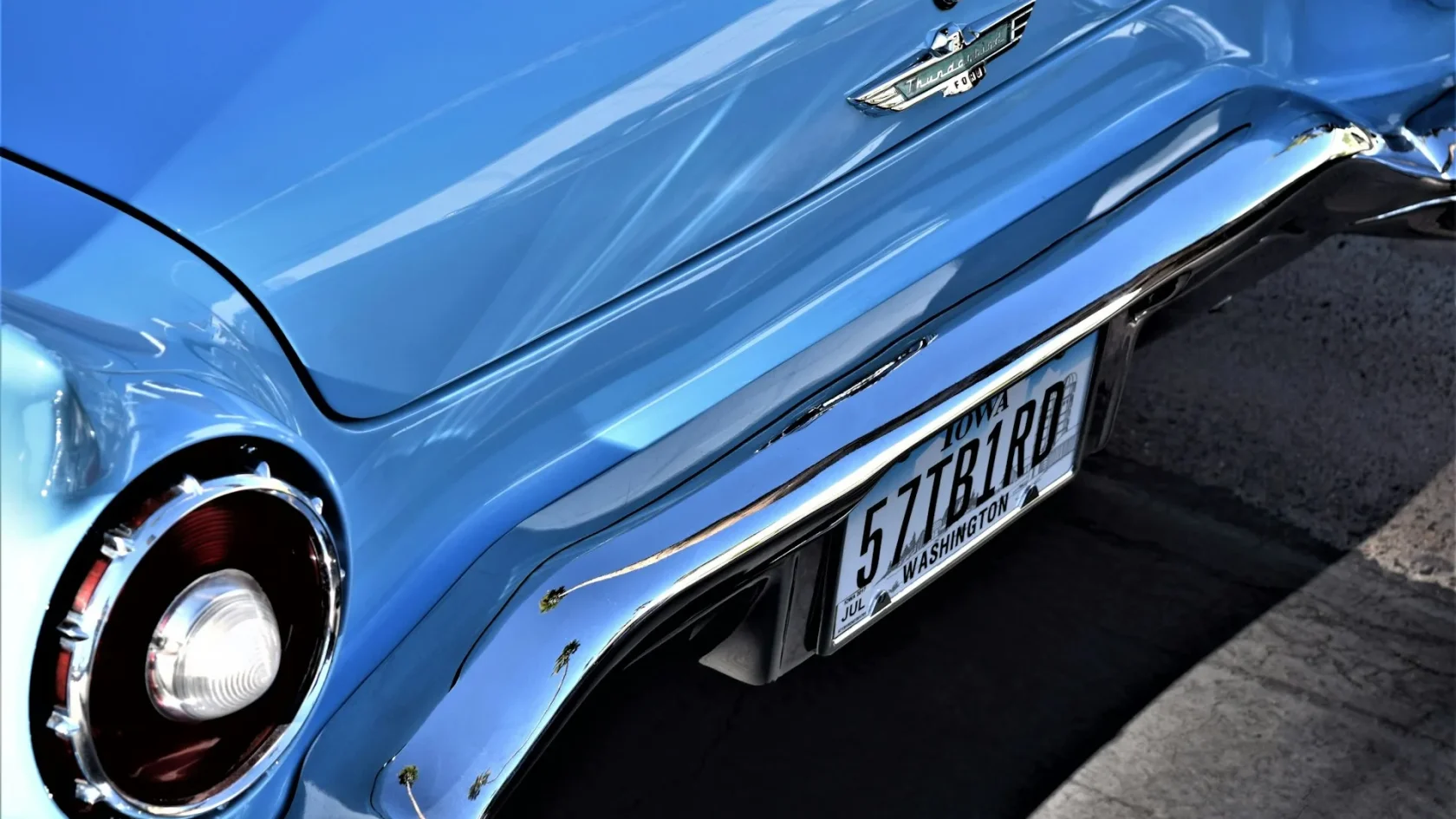
Do not stick metal-backed stickers, chrome trim, or a license plate frame over the rear corners of the bumper. Anything reflective in the radar’s path can create false alerts or dead spots that no amount of cleaning will fix.
What a rear-end hit does to it
Just like the front radar, a blind spot sensor is only as accurate as its aim. A rear bumper hit, even a light one, can shift the unit or its bracket. After that the coverage zone points slightly wrong, and you get either missed cars or false warnings. This is why a rear bumper repair often calls for a recalibration of these sensors.
Shops re-aim them the same careful way as the front radar, on level ground with the correct ride height. If you had rear body work done and the blind spot system has been off ever since, calibration is the likely culprit. The guide to calibration after a bumper repair covers when it is needed and why.
A Honda owner swore her blind spot warning was broken. It was flawless. She had fitted a chrome license plate surround across the rear that was throwing the left sensor into constant false alerts. Ten minutes with a screwdriver fixed a problem she thought needed a new module.
Keeping it working through winter
Ninety percent of blind spot complaints I ever saw were seasonal. Salt, slush, and ice collect on the rear corners of the bumper and quietly kill the radar. The fix is boring and effective: keep the rear corners of the bumper clean.
- Wipe the rear corners of the bumper when you clear snow off the car.
- Rinse road salt off the back end regularly in winter.
- Check that no sticker, frame, or rack strap covers the sensor area.
- If a warning light appears, clean first and drive a short cycle before worrying.
The Insurance Institute for Highway Safety has solid data on how much blind spot monitoring cuts lane-change crashes, which is a fair reminder of why it is worth keeping the sensors clear: IIHS advanced driver assistance.
The short version worth remembering
Two small radar units, one in each rear corner of the bumper, watch the lanes your mirrors miss and light the icon when a car sits in your blind spot. They read through the bumper plastic, which means salt, ice, and mud can blind them, and a rear-end knock can throw their aim off.
When the mirror light quits, clean the rear corners and drive a bit before you assume the worst. When it cries wolf, look for something metal stuck over the sensor or a recent tap that moved it. And no matter how good the system is, keep checking your mirrors and your shoulder. The radar is a second set of eyes, not a substitute for your own.
Frequently asked questions
There are two of them, one behind each rear corner of the bumper, angled outward and slightly back. They sit inside the bumper skin and read through the plastic. On many cars these same units also handle rear cross-traffic alerts when you reverse.
The most common reason is a blocked sensor. Road salt film, caked mud, slush, or ice over the rear corner of the bumper deadens the radar and the system goes quiet. Clean the rear corners and drive a short cycle before assuming the module has failed.
False alerts usually mean the sensor is seeing a reflection or has been knocked out of aim. A chrome license plate frame, a metal-backed sticker, or a bike rack near the sensor is a classic trigger. A light rear-end tap that shifted the unit can also make it see phantom cars.
It can. Because the sensors mount to brackets inside the rear bumper, a hit or a bumper removal can shift their aim. After that the coverage zone points slightly wrong, causing missed cars or false warnings, so a recalibration is often needed after rear body work.
Keep reading
Related guides
Where Is the Forward ADAS Camera?
The forward driving-assist camera hides behind your mirror, and finding it takes about thirty seconds.
Read guide
Snow and Ice on ADAS Sensors
Winter warnings usually mean snow or ice is sitting on a sensor, not that anything expensive has broken.
Read guide
Cleaning ADAS Sensors the Right Way
A microfiber cloth and two minutes can fix more driver-assist complaints than most drivers realize.
Read guide