Rear Cross-Traffic Alert, Explained
The two little radar units in your back bumper that watch for traffic while you reverse, decoded in plain English.

Key takeaways
- Rear cross-traffic alert uses corner radar in the rear bumper to warn you of cars, and sometimes people, crossing behind you as you back up.
- It only runs while you are in reverse and is built for pulling out of parking spots and driveways.
- A dirty, iced, or snow-packed rear bumper is the number one reason it stops working.
- It sees sideways very well but has a shorter range than you might expect, so it is a backup, not a substitute for looking.
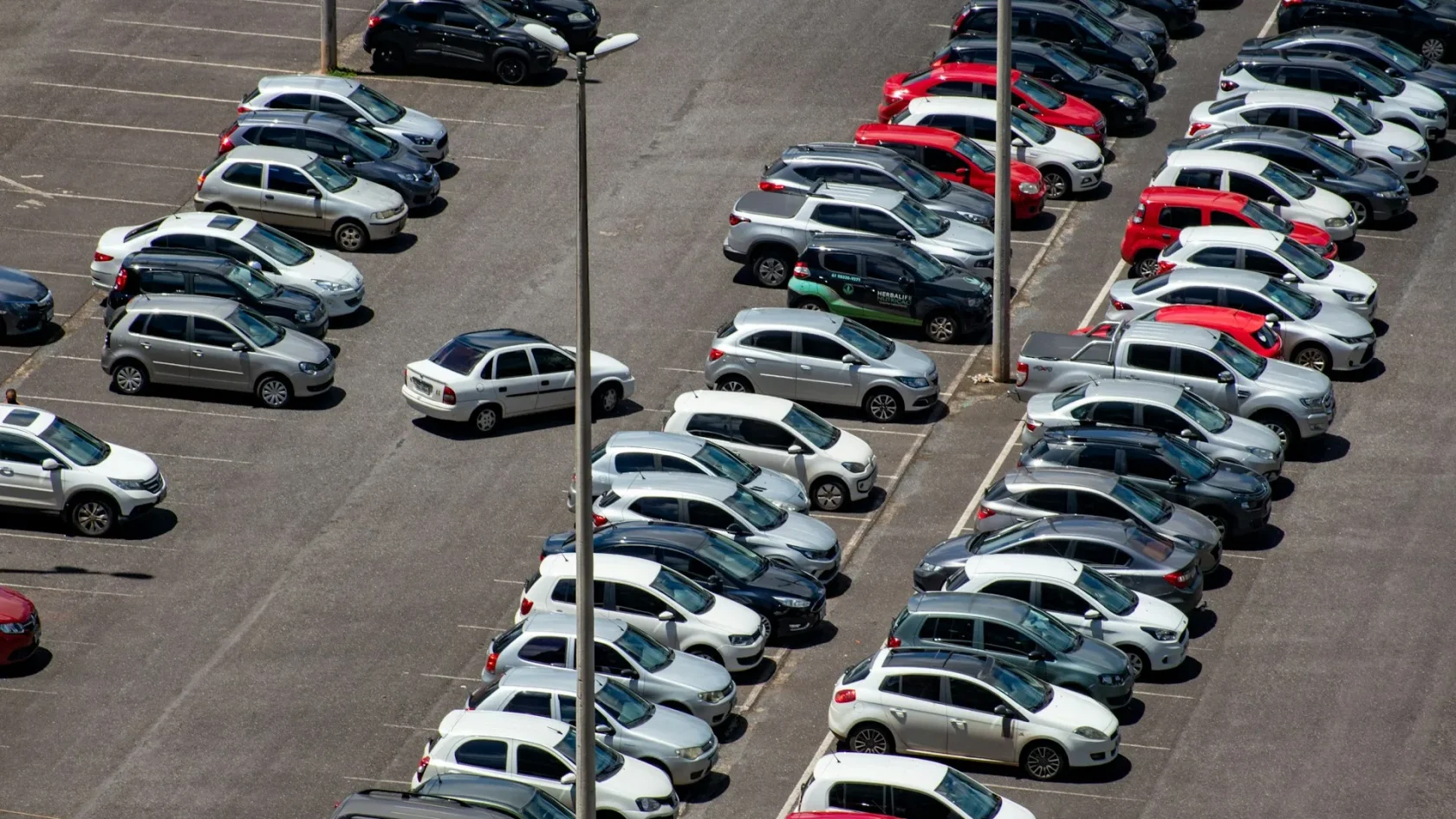
Backing out of a parking spot at a busy grocery store is one of the most nerve-wracking things you do all week, even if you never think about it that way. You are staring at a wall of parked SUVs on both sides, edging backward into a lane you cannot see, hoping nobody comes barreling around the corner. Rear cross-traffic alert was built for exactly that moment, and when it chirps at you it can save a very expensive afternoon.
I calibrated the radar behind these systems for years, and I still think it is one of the most genuinely useful features on a modern car. It is also one of the most misunderstood, because people assume it watches everything behind them all the time. It does not. It has a specific job, a specific range, and a specific set of blind spots. Knowing all three is the difference between trusting it wisely and trusting it too much.
Rear cross-traffic alert, often shortened to RCTA, watches for traffic crossing your path from the sides while you reverse. Think of it as a set of eyes pointed left and right out of your back bumper, looking down the lane you are about to back into. Here is how it actually works and where it falls short.
The radar doing the watching
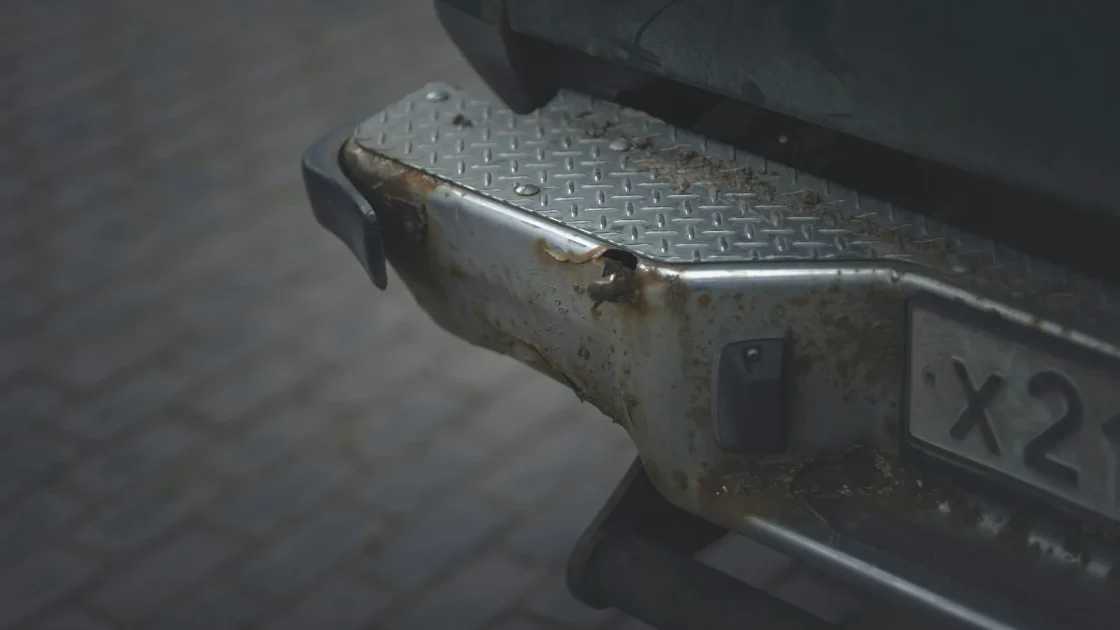
The system runs on two small radar units, one tucked in each rear corner of the bumper. These are the same corner sensors that power blind spot monitoring, just used for a different task. If you have ever wondered what those hidden units are, the guide to corner radar sensors and what they do covers them in full.
Radar is the right tool for this job for one big reason: it does not care about light. Unlike a camera, it works in the dark, in glare, and in weather that would blind an optical sensor. It sends out radio waves, listens for the echo bouncing off a moving car, and calculates how fast that object is closing and from which side. To understand the technology under the plastic, the explainer on how car radar sensors work lays out the basics without the jargon.
Because the units sit in the corners and aim outward, they can see well down the lane to your left and right even when your view is completely blocked by the vehicles parked beside you. That is the whole value of the feature. Your eyes cannot see past the minivan next to you; the radar can see the car coming from thirty feet down the aisle.
When it turns on and what it warns you about
RCTA only runs when you are in reverse. Shift into R, and the system wakes up and starts scanning both sides. Shift out, and it goes back to sleep. This is deliberate: the feature is purpose-built for backing out of a space, not for driving forward.
When it detects a vehicle crossing behind you, it warns you two or three ways at once. You get a beep, usually rapid and insistent, an arrow or icon that lights up on the side the threat is coming from, and often a warning in the backup camera view on your screen. Some newer systems add rear automatic braking, meaning the car will actually stop itself if you keep backing into a car it detects.
Good to know
Many recent cars extend rear cross-traffic alert to detect pedestrians and cyclists, not just cars. The radar picks up a person walking behind you the same way it picks up a vehicle, though smaller and slower objects are harder for it, so never rely on it alone in a crowded lot.
The braking version is worth calling out because it changes what the feature is. A plain alert leaves the stopping to you; a system with rear autonomous braking can intervene. That is closer to the philosophy behind how automatic emergency braking works up front, just pointed the other direction.
Where it falls short
Every driver-assist feature has an honest list of limits, and RCTA has a few you need to know because they are not obvious.
The first is range. It is built to catch traffic in the immediate lane behind you, not a car flying across a parking lot from far away. A vehicle moving very fast can be on top of you before the radar flags it, especially if it only appears at the last second. The feature is tuned for the slow, blind crawl out of a parking spot, and that is where it shines.
The second is dirt and weather. This is the failure I saw constantly. The radar sits low in the rear bumper, right where road grime, salt spray, mud, and snow collect. Pack that bumper with slush on a winter day and the system goes blind and throws a warning. The same thing happens with snow and ice on ADAS sensors all over the car.
- Wipe the rear bumper corners clean, especially in winter and after off-road or muddy driving.
- Clear snow and ice out of the bumper before you rely on the alert.
- Check for a bike rack, trailer hitch accessory, or ball mount that sits in the radar’s path and confuses it.
- If it stays blind after cleaning, a stored fault may need clearing.
A common trigger for a false or missing alert is a trailer hitch or bike rack blocking the beam. If you tow, some cars have a menu setting to account for a hitch. If your alert died right after you mounted a rack, that is your culprit, not a broken sensor.
A real example from the shop
A Subaru Outback came in last February with a complaint that rear cross-traffic alert had quit entirely. No beeps, no arrows, just a message that the system was unavailable. The owner was convinced a sensor had failed and braced for a bill.
I pulled it into the bay and found both rear corners of the bumper packed solid with frozen slush from a week of snowy commuting. Ten minutes with warm water and a cloth, a short drive to let the system re-check itself, and it came right back to life. No parts, no calibration, no charge beyond the diagnostic. That is the single most common cause I ever saw for this feature dropping out, and it is one you can fix in your own driveway.
Watch out
Rear cross-traffic alert is a second set of eyes, not your only set. It can miss a fast approach, a small child, or a cyclist in certain conditions. Always turn and physically check over your shoulder as you back up. The radar is there to catch what you miss, not to let you stop looking.
How it fits with the rest of your car’s safety net
RCTA is part of a family of features that all lean on the same idea: put sensors where your eyes cannot reach and let them warn you. The corner radar that watches behind you while reversing is the same hardware that watches your blind spots while driving, which is why the blind spot monitoring explainer pairs naturally with this one. Understanding one helps you understand the other, because they share sensors and logic.
For the bigger picture of how all these pieces work together, from front radar to rear corners to windshield cameras, the overview of how modern driver-assist systems work ties the whole system together. Rear cross-traffic alert is one node in that network, and it makes the most sense once you see where it sits.
The National Highway Traffic Safety Administration lists rear cross-traffic and backing safety among the driver-assist technologies it tracks, and its plain-language overview is worth a look if you want the regulator’s framing: NHTSA driver assistance technologies.
The habit worth building
After years of calibrating these units, my advice is simple. Treat rear cross-traffic alert as the excellent backup it is, keep the rear bumper corners clean so it can actually see, and never let it replace the over-the-shoulder look. The best drivers I know use it as a confirmation, not a crutch. They check their mirrors, they turn to look, and they let the radar catch the car sneaking up from a lane they genuinely could not see. That combination is far safer than either one alone, and it is the way the feature was meant to be used.
Frequently asked questions
No. Rear cross-traffic alert only activates when the car is in reverse, because it is designed specifically for backing out of parking spots and driveways. The moment you shift out of reverse, the system goes idle. The forward-facing equivalent that watches for cross traffic while driving is a separate, less common feature on most cars.
The most common cause is a dirty, snow-packed, or iced-over rear bumper, since the radar units sit low where grime and slush collect. Clean the rear corners of the bumper and drive a short cycle to let the system re-check itself. A bike rack, trailer hitch, or accessory blocking the sensor's path can also disable it, as can a stored fault that needs clearing.
Many newer systems can detect pedestrians and cyclists in addition to vehicles, but smaller and slower objects are harder for the radar to catch reliably. Do not depend on it alone in a busy parking lot or anywhere children might be present. Always turn and physically check behind you as you back up, and treat the alert as a second set of eyes.
No, they are different tools that work together. A backup camera shows you a live picture directly behind the car, while rear cross-traffic alert uses radar to watch for traffic crossing from the sides, including areas the camera cannot show. Cars that have both usually overlay the alert arrows on the camera image so you get the warning and the view at once.
Keep reading
Related guides
Cross-Traffic Braking: How It Works
The alert warns you; this stops the car. A former calibration tech explains cross-traffic braking and its real limits.
Read guide
Semi-Autonomous Driving Levels Explained
Six levels, one honest question: is the person driving or the car? A former ADAS tech decodes the automation scale.
Read guide
How Lane Departure Warning Works
The windshield camera, the lane math, and the buzz in your seat, explained by someone who aimed these systems for a living.
Read guide