How Modern Driver-Assist Systems Work
The sensors, the individual features, and the honest limits of the helpers built into every new car, from someone who calibrated them.

Key takeaways
- Driver assist is an umbrella term for features that help you drive while you stay fully in charge, not self-driving.
- Almost every car sold today is Level 1 or 2: it can help with steering or speed, but you keep hands on the wheel.
- Cameras, radar, and ultrasonic sensors each cover one job, and most features share them, so one bad sensor hurts several features.
- Every system is a backup for an attentive driver, never a replacement, and all of them degrade in weather and glare.
Buy almost any new car today and it arrives with a small crowd of helpers built in. One watches the lane lines. One keeps its eye on the car ahead. One is ready to slam the brakes if you are not. Together these are what the industry calls driver-assist systems, or ADAS for short, and for a lot of drivers they are equal parts reassuring and baffling.
I spent years as a calibration technician, aiming the cameras and radar units that make these features work, before I started writing about them full time. The single biggest thing I learned is that none of this is magic and none of it is one system. It is a set of separate tools, each doing one narrow job, sharing a handful of sensors, and handing off to each other in the background.
This guide is the map. I will walk through what a driver-assist system actually is, the sensors that feed it, the individual features you are most likely to have, and the honest limits of all of it. Wherever a feature deserves its own deep look, I will point you to the full guide on it so you can go as deep as you want.
What “driver assist” actually means
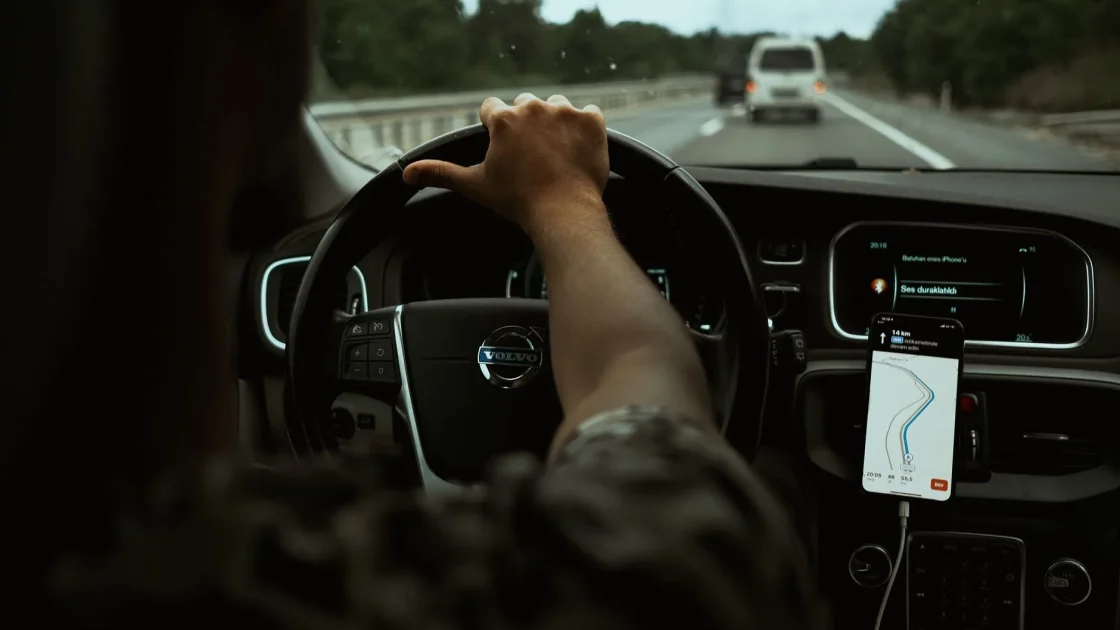
Driver assist is an umbrella term. It covers any feature that helps you drive but still leaves you fully in charge. The car might warn you, nudge you, or briefly act on its own, but you are the driver and the law treats you that way. If you have ever wondered whether this counts as self-driving, the short answer is no; it helps you drive, it does not drive for you.
Engineers sort these features into levels from 0 to 5, where 0 is a plain car and 5 is a car that never needs a human. Almost everything sold today sits at Level 1 or Level 2, which means the car can help with steering or speed but you keep your hands on the wheel and your eyes on the road. Anything higher is still rare and heavily restricted, so treat your car as a very capable assistant, not a chauffeur.
The sensors doing the watching
Every driver-assist feature is only as smart as what it can see. That is worth repeating, because most of the frustration people have with these systems traces straight back to a sensor that cannot see well. There are three main types, and most cars blend them.
The first is the camera. Most cars have a forward camera mounted high on the windshield, behind the rearview mirror, looking out at the road. It reads lane lines, traffic signs, brake lights, and the shapes of cars and people. It works in visible light, so glare, dirt, snow, and darkness all limit it the same way they limit your own eyes.
The second is radar. A radar unit sends out radio waves and listens for the echo, which tells it how far away an object is and how fast it is closing. Radar does not care about darkness or light rain, which is why it handles the speed-and-distance jobs. Most cars hide one behind the front grille or bumper, out of sight.
The third is ultrasonic sensors, the little round dots in your bumpers. They measure very short distances, which makes them the parking specialists. Most cars blend all three types so each one covers what the others miss, and the features on top simply draw from whichever sensor suits the job.
Note
No single sensor sees everything. Cameras read detail but hate glare and dark. Radar reads speed and distance but ignores fine shapes. Cars fuse them so each one covers the other’s blind spot. When a feature quits, a blocked or dirty sensor is the usual reason.
The features you probably have
Here is where the umbrella opens up. Each of these is a distinct feature with its own logic, and most modern cars carry a handful of them. I will keep each summary short and link to the full guide so you can dig in on the ones that matter to you.
Adaptive cruise control
Regular cruise holds a set speed. Adaptive cruise holds a set speed and a set following distance, easing off the throttle and even braking when the car ahead slows, then resuming when the road clears. It leans on that front radar. The full walk-through is in how adaptive cruise control works, and if you want the plain contrast with old-school cruise, see adaptive cruise versus regular cruise control.
Lane departure warning and lane keeping
These two get blurred constantly, so it is worth being precise. Lane departure warning only alerts you when you drift over a line without signaling. Lane keeping actually nudges the wheel to pull you back, and lane centering steers continuously to hold the middle. The warning-only version is covered in how lane departure warning works, and the difference between the steering versions is laid out in lane keeping assist versus lane centering.
Automatic emergency braking
This is the one that can genuinely save your life. If the car senses a crash coming and you are not reacting, it brakes on its own. It usually pairs with a forward collision warning that beeps first. The full mechanics, and how far you can trust it, are in the guide to how automatic emergency braking works.
Blind spot monitoring
A light in your side mirror warns you when a car is sitting where you cannot see it, and it often beeps if you signal toward it. Many cars pair it with rear cross-traffic alert for backing out of parking spots. The full explainer is blind spot monitoring explained simply.
How the features work together
The clever part is not any single feature; it is the handoff. On a highway, adaptive cruise manages your speed while lane centering manages your position, and the two running at once feel a lot like the car driving itself, even though it is not. Automatic braking sits underneath all of it, ready to override everything if a crash looms.
This is exactly why calibration matters so much. If the forward camera is aimed even a degree off, several features that share that camera all get the wrong picture at once. One bad sensor can quietly degrade three or four features you rely on, which is why I always tell people not to skip recalibration after glass or body work. The aim is what keeps every feature honest.
The features feel like one smart co-pilot, but under the skin they are a committee of narrow specialists sharing a few eyes and ears. Understand the specialists and the whole thing stops feeling mysterious.
The honest limits
Here is the part the brochures skip. Every one of these systems is a backup for an attentive driver, never a substitute for one. They degrade in weather. They get confused by faded paint and low sun. They can miss a stopped object your eyes would catch instantly. The National Highway Traffic Safety Administration is blunt about this in its own materials on driver assistance technologies, and it is worth reading before you lean on any of it.
The mistake I saw most often as a tech was drivers who trusted a feature past its limits because they did not understand what it could not do. Someone assumes automatic braking will always stop the car, or that lane centering means they can look at their phone. Both assumptions can hurt you. These tools reduce crashes on average, and the safety data backs that up, but they do it while you stay engaged, not while you check out.
Watch out
A warning light for any assist feature usually means that feature is off, so its safety net is gone. Drive as if you have no assist at all until it clears. Never let a green “on” light convince you to stop paying attention.
Keeping all of it working
The upkeep is mostly simple and mostly about keeping the sensors able to see. Keep the windshield clean where the camera looks. Keep the grille and bumpers clear of mud, snow, ice, and bugs. After a windshield replacement, a front-end repair, or new tires and suspension, get the affected sensors recalibrated, because the aim is what makes the math correct.
When something acts up, resist the urge to assume the worst. Nine times out of ten a driver-assist feature that quit is looking at a blocked sensor, a stored fault from a dead battery, or a camera that drifted out of aim after body work. A cleaning, a reset, or a recalibration fixes the large majority of complaints I ever handled.
My honest advice after aiming hundreds of these cars: learn what each feature on your own car actually does, keep the sensors clean, and treat every one of them as a helpful second set of eyes rather than a chauffeur. Do that and the whole crowd of helpers earns its keep, quietly, in exactly the moments you need them most. Pick any feature above that you want to understand better and follow its guide; that is what they are there for.
Frequently asked questions
No. Driver-assist features help with steering, speed, or braking, but you remain the driver and the law holds you responsible. Almost every car sold today is Level 1 or Level 2, which means hands on the wheel and eyes on the road. True self-driving would be Level 4 or 5, and those are not on sale to the public in any normal car.
Most new cars carry somewhere between four and eight. Common ones include adaptive cruise control, lane departure warning, lane keeping or lane centering, automatic emergency braking, blind spot monitoring, and rear cross-traffic alert. The exact mix depends on the trim level and the brand, so check your window sticker or owner's manual to see what yours includes.
Largely yes, which is why calibration matters so much. The forward windshield camera feeds lane and braking features, the front radar feeds cruise and collision features, and the bumper sensors handle parking. Because several features share one camera or one radar, a single misaimed or blocked sensor can quietly weaken multiple systems at once.
Some features can be added as aftermarket kits, such as a dash camera with lane warning or a stick-on blind spot radar, but factory-grade systems that steer or brake are very hard to retrofit because they are wired deep into the car. Aftermarket options tend to warn rather than act. For a serious upgrade, buying a newer car is usually more practical than converting an old one.
The most common causes are a dirty or blocked sensor, bad weather, or a fault stored after a low battery or a repair. A camera covered in road grime or a radar packed with snow will shut its feature off on purpose rather than act on bad data. Cleaning the sensor, clearing the fault, or recalibrating after body work fixes the large majority of cases.
Keep reading
Related guides
Lane Keeping Assist vs Lane Centering
One is an occasional nudge, the other steers with you every mile. A former calibration tech sorts the two by what they actually do at the wheel.
Read guide
Highway Driving Assist: How It Works
The highway mode that steers, holds speed, and keeps its distance, broken down by a former ADAS tech.
Read guide
Evasive Steering Assist, Explained
The last-resort feature that adds steering force to your swerve, explained by a former ADAS tech.
Read guide