Evasive Steering Assist, Explained
The last-resort feature that adds steering force to your swerve, explained by a former ADAS tech.

Key takeaways
- Evasive steering assist adds controlled steering force to a swerve you start; it rarely turns the wheel on its own.
- It works as a second layer after automatic braking, for when braking alone cannot avoid the crash.
- It relies on forward and corner sensors to confirm an escape path is actually clear before helping.
- It almost never activates because it targets a rare, narrow set of imminent-crash situations.
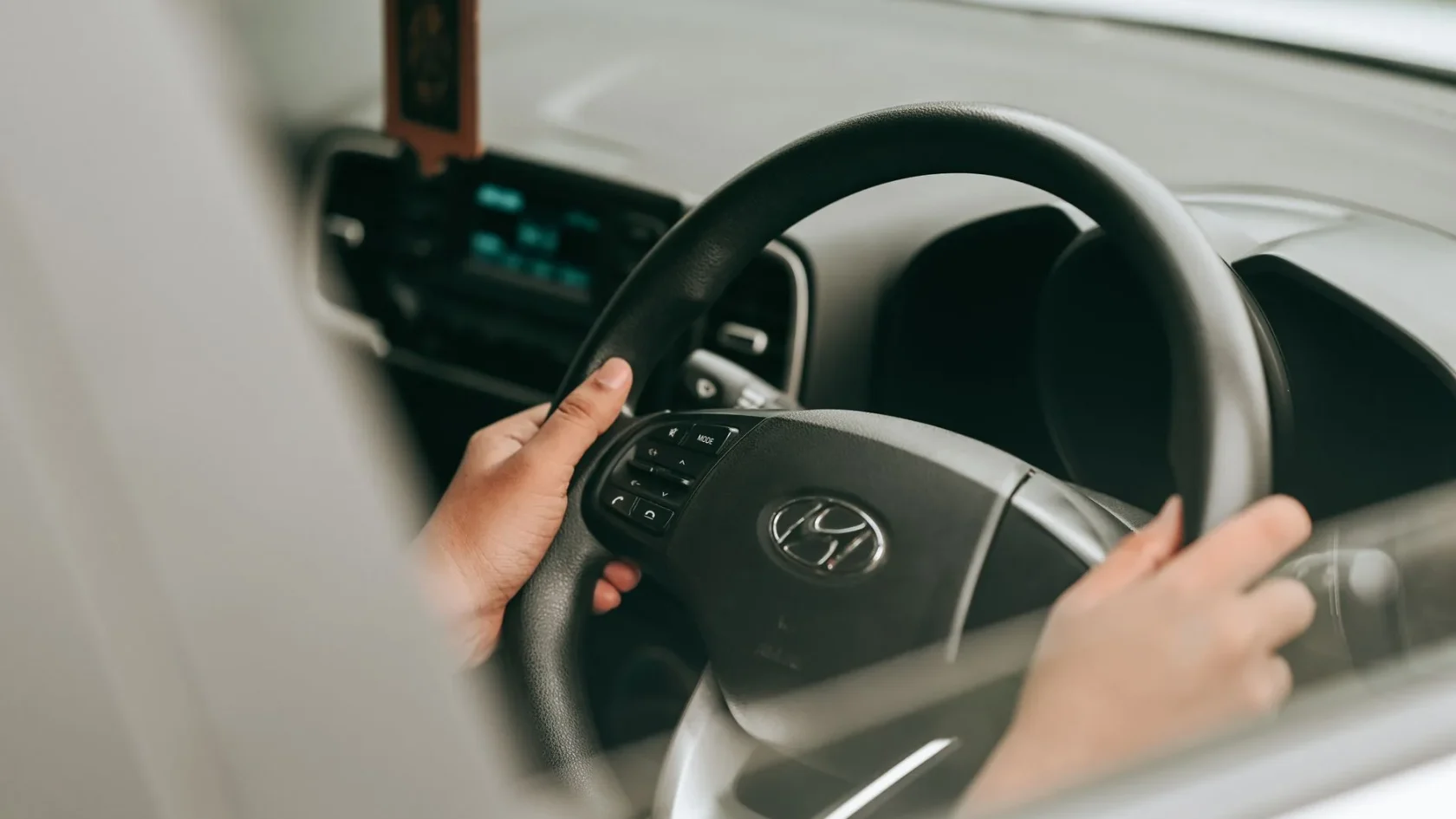
You brake hard for a stopped car, and braking alone is not going to be enough. In that split second, some newer cars will do something braking cannot: help you steer around the obstacle. That is evasive steering assist, and it is one of the more advanced tricks in the driver-assistance toolbox. It is also one of the most misunderstood, because it does not drive for you. It sharpens a move you start.
I spent years calibrating the sensors that make features like this work, and evasive steering assist sits at the sophisticated end of what those sensors can do. It is not lane keeping. It is not automatic braking. It is a specific, rare intervention for the moment when swerving is the only way out.
Here is what evasive steering assist really does, how it works with the braking systems around it, and why it will almost never activate in normal driving. I will keep it grounded in how the system behaves on the road, not the brochure version.
What evasive steering assist actually does

Evasive steering assist helps you steer around an obstacle when braking alone will not avoid a crash. The key word is helps. In almost every system, it does not swerve on its own. It waits for you to begin turning the wheel, then adds precise, controlled steering force to make your swerve sharper, smoother, and better aimed at the gap.
Think of it as a co-pilot’s hand joining yours on the wheel at the exact instant you decide to dodge. You provide the intent. The car provides the accuracy, keeping the maneuver stable so you do not oversteer, spin, or clip the very thing you are trying to miss. This is a different job from the routine lane help most drivers know, and it belongs to the wider set of features covered in the pillar on how modern driver-assist systems work.
You steer, it sharpens
Evasive steering assist almost never turns the wheel by itself. It detects that you have started to swerve around an obstacle and adds controlled steering force to make that move precise and stable. The decision to dodge is still yours.
How it works with automatic braking
Evasive steering assist rarely acts alone. It is usually the second layer of a two-part safety response, and it helps to understand the order.
When the forward sensors detect a likely collision, the car’s first move is to warn you and, if needed, apply the brakes. That is automatic emergency braking, described fully in the guide on how automatic emergency braking works. If the system calculates that braking alone cannot stop in time, and it senses you beginning to steer away, evasive steering assist joins in to help you go around. Braking scrubs speed; steering finds the escape route. The two are designed to cover each other.
This is also why the feature is closely tied to forward collision warning. The same radar and camera that raise the alarm feed the steering logic. If you want to see how that early warning stage works, the guide to the forward collision warning light covers the sensors that start the whole chain.
The sensors that make it possible
Evasive steering assist asks a lot of the car’s sensors, because it has to understand not just the obstacle ahead but the space around it. Here is what has to be working.
- A forward camera and radar to detect the obstacle and judge that braking alone will not avoid it.
- Corner or side sensors to check whether the escape path is actually clear of other traffic.
- An electric power steering system precise enough to add measured force without yanking the wheel.
- Stability and yaw sensors to keep the sudden maneuver from turning into a skid.
Those corner sensors matter more than people expect. There is no point steering you into a gap that has a car in it, so the system leans on side-facing radar to confirm the path is open. The role those units play is covered in the overview of the corner radar sensors, and when they are blocked or misaimed, features like this quietly stop offering help.
Why it almost never activates
This is the part that surprises drivers. You could own a car with evasive steering assist for years and never once feel it work, and that is completely normal. It is built for a narrow, dangerous slice of situations.
It only steps in when a crash is imminent, braking cannot fully prevent it, you have started to steer away, and the sensors confirm a clear path exists. That is a rare combination. In everyday driving, ordinary braking handles almost everything, so the steering layer stays dormant. If it fired often, it would be a nuisance and a hazard, so the engineers set the bar high on purpose.
Watch out
Never drive expecting evasive steering assist to save you. It will not swerve for you if you sit frozen, it needs a clear escape path to exist, and it can be switched off if a sensor is blocked. It is a last-resort helper, not a reason to leave more room for error.
When it backs off or will not help
Like every ADAS feature, evasive steering assist depends on clean, correctly aimed sensors, and it will decline to help when it cannot see clearly. A radar caked in road salt or a camera looking through a grimy windshield gives the system too little confidence to intervene at speed.
Calibration is just as critical. If the front or corner sensors were disturbed by a bumper repair or a windshield swap and never recalibrated, the car cannot trust its own read of the escape path, and a feature this aggressive simply will not activate. If your dash shows a steering-related warning, the guide on steering assist reduced explains what a reduced-assist message means and how to sort a real fault from a blinded sensor. Because it also watches for people, it overlaps with the system in the guide to how pedestrian detection systems work, and both rely on the same forward camera being clear and aimed right.
The Euro NCAP crash-test body has pushed carmakers to add evasive steering support and publishes how they test it, which is a good window into how the feature is meant to perform: Euro NCAP safety assist.
So think of evasive steering assist as a highly trained reflex sitting quietly in the background. It will not drive for you, and it may never announce itself, but in the one moment where braking runs out of room and a gap exists, it can turn a panicked swerve into a clean one. Keep your sensors clean, keep them calibrated, and keep steering like it is not there, because most of the time, as far as you can tell, it is not.
Frequently asked questions
In almost every system, no. It waits for you to begin turning the wheel to avoid an obstacle, then adds precise, controlled steering force to make that swerve sharper and more stable. The decision to dodge and the initial input come from you; the car supplies accuracy so you do not oversteer or spin.
That is normal and expected. The feature only steps in when a crash is imminent, braking alone cannot prevent it, you have started to steer away, and the sensors confirm a clear escape path exists. That combination is rare, so ordinary braking handles nearly every situation and the steering layer stays dormant for years.
Lane keeping gently nudges or centers the car within its lane during normal driving to stop you drifting. Evasive steering assist is a rare, high-stakes intervention that helps you swerve around an obstacle when a collision is about to happen and braking will not be enough. They use some of the same sensors but do very different jobs.
Yes. The system needs clear forward and corner sensors to detect the obstacle and confirm the escape path is open, so a radar caked in salt or a grimy windshield can make it decline to help. Calibration matters just as much; if the sensors were disturbed by a bumper repair or windshield swap and never recalibrated, the feature will not trust its own read and stays off.
Keep reading
Related guides

Speed Limit Assist: What It Does
The system that reads speed limit signs and nudges you back, explained by a former ADAS tech.
Read guide
How Pedestrian Detection Systems Work
The forward camera and radar that watch for people, explained by a former ADAS calibration tech.
Read guide
Traffic Jam Assist: What It Does
The feature that handles the crawl of rush-hour traffic for you, and the fine print on why you cannot check out.
Read guide