Highway Driving Assist: How It Works
The highway mode that steers, holds speed, and keeps its distance, broken down by a former ADAS tech.


Key takeaways
- Highway driving assist is not one sensor; it combines adaptive cruise, lane centering, and speed awareness into one mode.
- It holds your lane and speed and keeps a safe gap from traffic on divided highways while you supervise.
- It is a Level 2 system, so you remain fully responsible and must keep your hands on the wheel.
- Driver monitoring is built in and will slow or stop the car if you ignore its prompts to stay engaged.
You merge onto the interstate, press a button, and the car settles into the lane, holds its speed, keeps its distance from traffic, and steers gently through the curves while you keep your hands on the wheel. That bundle of behaviors, working together on the highway, is what most brands call highway driving assist. It is the closest a mainstream car gets to driving itself, and it is still nowhere near a robot.
I worked on the sensors that make this possible before I started writing, and highway driving assist is a good example of how ADAS features stack. On its own, no single system is that dramatic. Combine adaptive cruise, lane centering, and speed awareness into one coordinated package, and the highway suddenly feels a lot calmer.
Let me explain what highway driving assist actually is, the pieces it is built from, and the one rule that matters most: it is an assistant, not a driver. The names change by brand, but the job is the same.
What highway driving assist really is
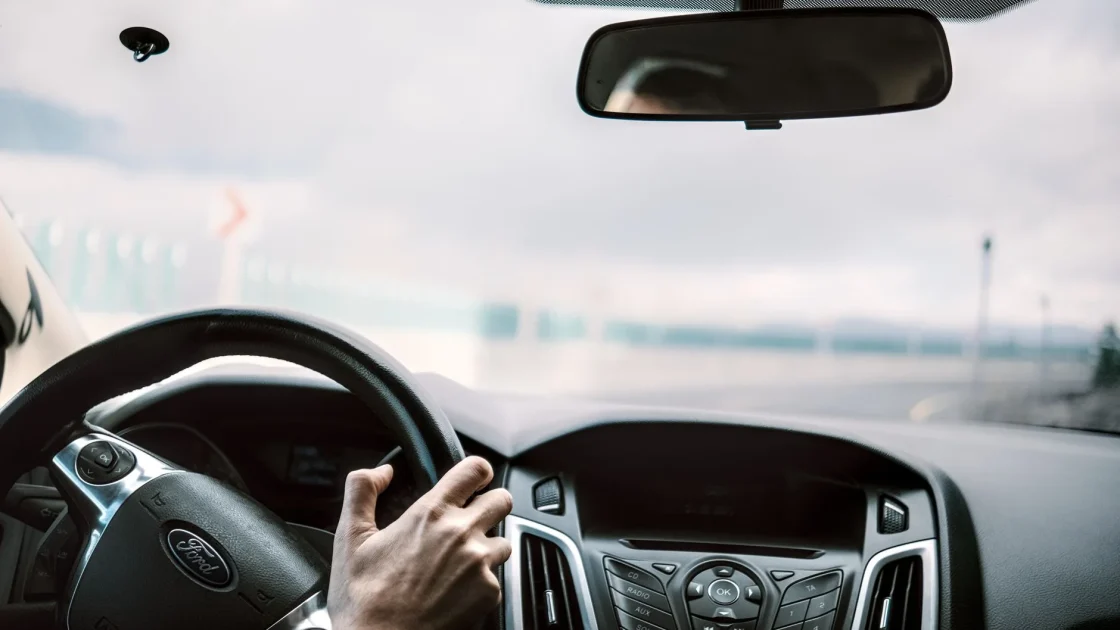
Highway driving assist is not one new sensor. It is a coordinated blend of features you may already know, tuned to work together at highway speeds. Different automakers sell it under different names, but under the badge it comes down to three jobs done at once.
First, it holds your speed and following distance using adaptive cruise. Second, it keeps the car centered in its lane with active steering. Third, it stays aware of the posted speed limit and often the curve ahead, easing off when needed. Put together, you get a car that follows traffic, stays in its lane, and manages its own speed on a divided highway, all while you supervise.
Because it is a stack of features rather than one gadget, understanding the parts helps. The pillar on how modern driver-assist systems work lays out the full family, and highway driving assist is essentially the top-tier combination of several of them switched on together.
Not one feature, but several
Highway driving assist combines adaptive cruise, lane centering, and speed-limit awareness into a single mode. The magic is the coordination, not any one part working alone.
The building blocks under the name
Here is what is actually running when you switch highway driving assist on. Each piece has its own dedicated guide if you want to go deeper on one.
Adaptive cruise control
This is the speed and distance brain. A front radar measures the car ahead and keeps a set gap, slowing and accelerating on its own. If this idea is new to you, the guide on how adaptive cruise control works covers it in full. Without adaptive cruise, highway driving assist has no way to manage traffic.
Lane centering
This is the steering brain. Using the windshield camera to read lane lines, it keeps the car in the middle of the lane rather than just warning you when you drift. There is a real difference between a system that nudges and one that centers, spelled out in the comparison of lane keeping assist versus lane centering. Highway driving assist relies on the centering kind.
Speed and curve awareness
Many systems read speed limit signs with the camera and map data, and some slow the car for a sharp curve or an approaching exit. This keeps the package from carrying you into a bend too fast.
How it handles a normal highway drive
On a good stretch of interstate, the experience is smooth and, honestly, a little uneventful in the best way. Here is the typical flow.
- You set your speed and following gap, then engage the system with a button on the wheel.
- The car centers itself in the lane and holds your speed, backing off automatically when traffic slows.
- In stop-and-go, it can slow to a stop and pull away again, overlapping with the feature in the guide to traffic jam assist.
- It asks you to keep light pressure on the wheel so it knows you are still there and ready to take over.
That last point is the whole deal. Highway driving assist is a supervised system. It expects you to stay engaged, and it will nag you if you let go of the wheel for too long.
Why it keeps checking that you are awake
Every highway driving assist system I have worked with is paired with driver monitoring, and for good reason. Because the car is doing so much, the temptation to check out is strong, and that is exactly when it becomes dangerous.
Some cars watch your hands through a torque sensor in the wheel. Others use a small camera aimed at your face to confirm your eyes are on the road. If you ignore the prompts, the system slows down, flashes warnings, and eventually pulls itself over. The guide on driver attention monitoring explains how these watchdogs work and why they are not optional on a system this capable.
Watch out
Highway driving assist can lull you into trusting it too much. It can misread faded lines, get confused at merges and construction zones, and drop out with little warning. Keep your hands on the wheel and your eyes on the road every second it is on.
Where it sits on the automation scale
This matters because the marketing can blur it. Highway driving assist is a Level 2 system. That means the car can steer, brake, and accelerate at the same time, but you are still driving and fully responsible at all times. It is not self-driving, and no mainstream highway assist available today is. The full ladder from a plain car to a true robot is laid out in the guide to ADAS levels 0 to 5, and knowing where your car sits keeps your expectations honest.
The National Highway Traffic Safety Administration draws the same line, treating these as driver support features that require your constant supervision, and its overview is a solid reference: NHTSA driver assistance technologies.
Used the right way, highway driving assist takes a lot of the grind out of long interstate drives. It holds your lane, manages your speed, and keeps a safe gap so you are not fighting traffic for two hours straight. Just treat it as what it is: a very capable co-pilot that still needs you in command. Keep supervising, and it will make the miles easier without ever asking you to stop paying attention.
Frequently asked questions
No. Highway driving assist is a Level 2 system, which means the car can steer, brake, and accelerate together, but you are still driving and legally responsible at all times. It expects you to keep your hands on the wheel and your eyes on the road, and it will warn and eventually stop the car if you disengage. No mainstream highway assist sold today is true self-driving.
It bundles three things that work together: adaptive cruise control for speed and following distance, lane centering for active steering, and speed-limit and curve awareness to manage how fast you take the road. Some versions also handle stop-and-go traffic. The coordination of these parts, not any single one, is what makes the mode feel capable.
Because it is a supervised system that needs to confirm you are still engaged and ready to take over. Many cars sense light pressure or small steering inputs through the wheel, while others use a camera to watch your eyes. If you ignore the prompts, the system escalates its warnings, slows down, and can bring the car to a controlled stop.
Not as well. The system leans on a windshield camera to read lane lines and a front radar to track traffic, and heavy rain, snow, fog, or a dirty sensor can degrade both. When visibility drops, the system may reduce what it does or switch off entirely and hand full control back to you. Treat any weather warning as a cue to drive it yourself.
Keep reading
Related guides
How Pedestrian Detection Systems Work
The forward camera and radar that watch for people, explained by a former ADAS calibration tech.
Read guide
Semi-Autonomous Driving Levels Explained
Six levels, one honest question: is the person driving or the car? A former ADAS tech decodes the automation scale.
Read guide
How Adaptive Cruise Control Works
A former calibration tech explains the radar, the following-distance math, and how to actually use adaptive cruise without getting surprised.
Read guide