Semi-Autonomous Driving Levels Explained
Six levels, one honest question: is the person driving or the car? A former ADAS tech decodes the automation scale.

Key takeaways
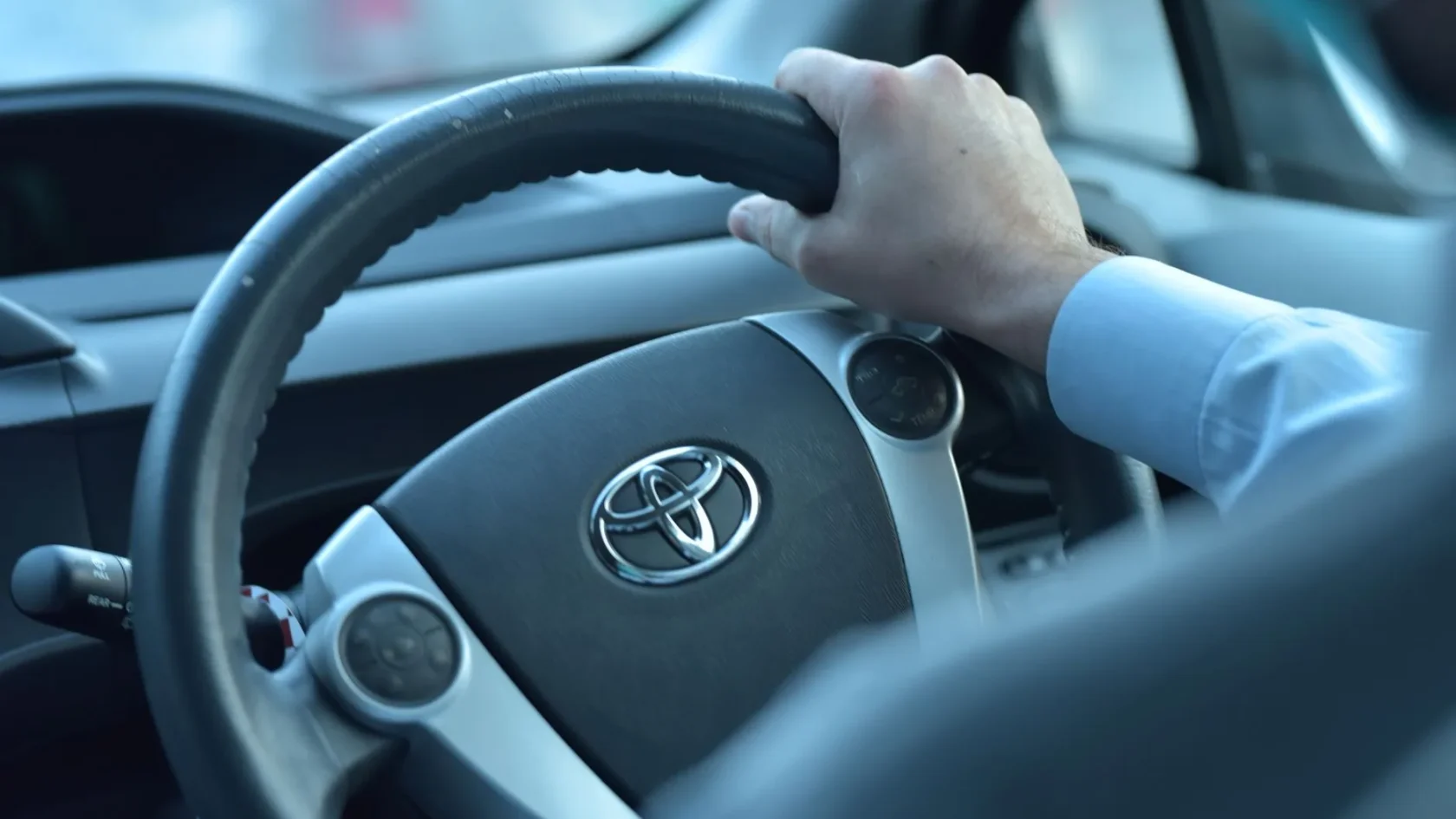
- Driving automation runs from Level 0 (warnings only) to Level 5 (drives anywhere), and the scale is about who is responsible, you or the car.
- Almost every car you can buy today is Level 2: it steers and manages speed together, but you are still the driver at all times.
- The real divide is between Level 2 and Level 3, because Level 3 is the first level where the car takes over responsibility in set conditions.
- Brand names like pilot or autopilot are trademarks, not ratings, and most of them still require your hands and full attention.
- Judge a feature by its behavior, not its badge: if it asks you to watch the road, it is Level 2 and you are driving.
Ask ten drivers what “semi-autonomous” means and you will get ten different answers, most of them too generous. The car ads do not help. They show a driver sipping coffee with hands in their lap while a calm voice promises the future. The reality sold in showrooms today sits far lower on the scale than the marketing suggests.
There is an actual framework behind all of this, a set of six levels from zero to five, and once you understand it you stop being fooled by clever names. I have calibrated the sensors that power these systems on cars from a dozen brands, and every single one of them, no matter how impressive, lives at Level 2. Knowing why is the difference between using these features well and trusting them too much.
Here is what each level of driving automation really means, where today’s cars actually fall, and why the gap between Level 2 and Level 3 is the one that matters most to you.
Where the levels come from
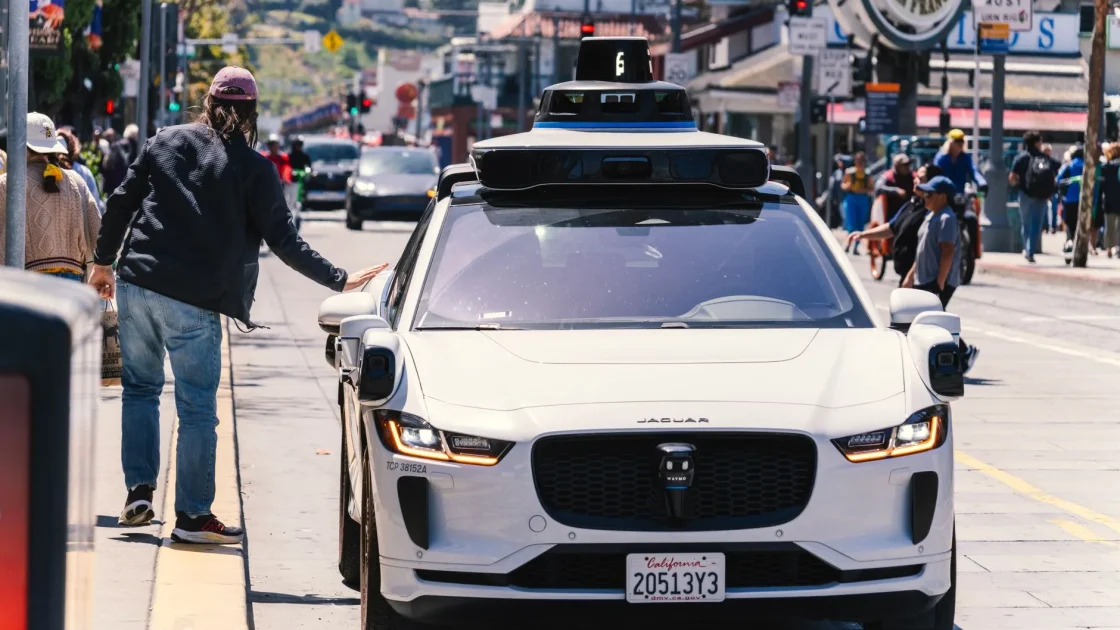
The six-level scale was written by SAE International, the engineering body that standardizes a lot of automotive terms. It runs from Level 0, no automation, up to Level 5, a car that drives anywhere a human could with no wheel needed. The whole point of the scale is to answer one question: who is responsible for driving, the person or the car?
That is the lens to keep. It is not about how fancy the features feel. It is about who must watch the road and be ready to act. If you want the shorter primer on this before we go deeper, the guide to ADAS levels 0 to 5 covers the same scale in plain terms.
The levels split into two worlds. Levels 0 through 2 keep the human fully responsible. Levels 3 through 5 shift responsibility to the car under set conditions. That line, between Level 2 and Level 3, is where everything important happens.
Levels 0, 1, and 2: you are driving
Level 0 is a car with warnings but no control. It might beep for a blind spot or flash a collision alert, but it never steers or brakes for you. Plenty of cars with safety features still count as Level 0.
Level 1 adds a single automated function, either steering or speed, but not both at once. Basic adaptive cruise that manages your speed is Level 1. So is lane keeping that only nudges the wheel. One task, handled for you, while you do the rest.
Level 2 is where almost every driver-assist car sits today. The car can steer and manage speed at the same time, for example lane centering combined with adaptive cruise. It feels like the car is driving. It is not. You are driving with help, and you must watch the road every second. The pillar on how modern driver-assist systems work explains how these features stack up to create that Level 2 experience.
| Level | Who drives | What the car does | Example |
|---|---|---|---|
| 0 | You | Warnings only, no control | Blind spot alert, collision warning |
| 1 | You | Steering or speed, one at a time | Adaptive cruise, or lane keeping |
| 2 | You | Steering and speed together | Lane centering plus adaptive cruise |
| 3 | Car, in set conditions | Drives itself, you take over when asked | Traffic jam pilot on a few luxury cars |
| 4 | Car, in set areas | Fully drives, no takeover needed in its zone | Robotaxi in a mapped city |
| 5 | Car, everywhere | Drives anywhere a human could | Does not exist yet |
The wall between Level 2 and Level 3
This is the jump that changes everything, and it is not a small step up in capability. It is a complete handoff of responsibility.
At Level 2, you are legally and practically the driver at all times, even while the car steers and brakes. If it misses a stopped vehicle, that is on you to catch. At Level 3, the car takes over the driving task within a specific set of conditions, say a mapped highway below a certain speed, and you are allowed to stop watching the road. If something exceeds what it can handle, it warns you and gives you time to take back control.
Watch out
Nearly every system you can buy today, no matter how advanced the name sounds, is Level 2. That means you are the driver and must watch the road at all times. Believing a Level 2 system is Level 3 is exactly how people get into trouble.
A handful of Level 3 systems exist on select luxury cars in limited traffic-jam conditions, and they are hedged with tight speed and location limits. Everything else is Level 2 dressed in confident branding. This is the same confusion behind the common question of whether these features count as self-driving, which the guide on whether ADAS is the same as self-driving settles directly.
Why the marketing muddies it
Brand names for these systems rarely mention a level, and some of them imply far more than they deliver. A name with the word pilot or autopilot or full self-driving in it can still be a Level 2 system that needs your hands and eyes. The name is a trademark, not a rating.
I have watched owners genuinely believe their car was driving itself because the badge on the screen sounded like it should be. That belief is dangerous. The safe habit is to ignore the name entirely and ask the only question that matters: does the manual tell me I can stop watching the road? For almost every car on sale, the answer is no. If you are new to any of this, the beginner overview in the ADAS explainer is a good place to build the foundation.
Tip
Judge any driver-assist feature by its behavior, not its badge. If it ever asks you to keep your hands on the wheel or nags you to watch the road, it is Level 2, and you are the driver. No exceptions on cars you can buy today.
What this means for how you drive
Understanding the levels is not trivia. It changes how you should use these features. On a Level 2 car, treat lane centering and adaptive cruise as tools that reduce fatigue on a long highway drive, not as a chance to check your phone. The systems that make highway cruising easier are covered in the guide to how highway driving assist works, and they are excellent, as long as you stay in the driver’s seat mentally.
The uncomfortable truth is that Level 2 asks something hard of people: stay alert while the car does most of the work. That is genuinely tiring, and it is why attention matters more, not less, with these features. The reasons behind that are laid out in the piece on whether you still need to pay attention, and the short answer is a firm yes.
So the next time an ad shows a relaxed driver and a self-steering car, place it on the scale. Almost certainly it is Level 2, which means the person in that seat is still driving. The framework was written by engineers to cut through exactly this kind of hype, and you can read the source itself: SAE J3016 levels of driving automation. Know your level, and you will use your car for what it truly is.
Frequently asked questions
Almost every car you can buy is Level 2, meaning it can steer and control speed at the same time but you remain the driver and must watch the road. A very small number of luxury models offer Level 3 in narrow traffic-jam conditions. Level 4 exists only in mapped robotaxi zones, and Level 5 does not exist yet.
At Level 2 you are the driver at all times, even while the car steers and brakes, so you must stay alert and ready. At Level 3 the car takes over the driving task within specific conditions and lets you stop watching the road, then warns you to take back control when it reaches its limits. That handoff of responsibility is the single most important line on the scale.
No. Names like autopilot, pilot, or full self-driving are trademarks, not automation ratings, and most of them are Level 2 systems that require your hands on the wheel and your eyes on the road. Judge the feature by whether the manual says you can stop watching the road, which for nearly every car on sale is a no.
The six-level scale was defined by SAE International, an engineering standards body, in a document known as J3016. It runs from Level 0 through Level 5 and is designed to answer one question clearly: who is responsible for the driving, the human or the vehicle.
Keep reading
Related guides
Lane Keeping Assist vs Lane Centering
One is an occasional nudge, the other steers with you every mile. A former calibration tech sorts the two by what they actually do at the wheel.
Read guide
Driver Attention Monitoring Explained
The steering sensors and face-tracking cameras that decide you need a break, decoded in plain English.
Read guide
Traffic Jam Assist: What It Does
The feature that handles the crawl of rush-hour traffic for you, and the fine print on why you cannot check out.
Read guide