Amber Steering Wheel Warning Light Guide
An amber steering wheel warning light usually points to reduced power steering assist or a driver-assist fault, not a total failure.

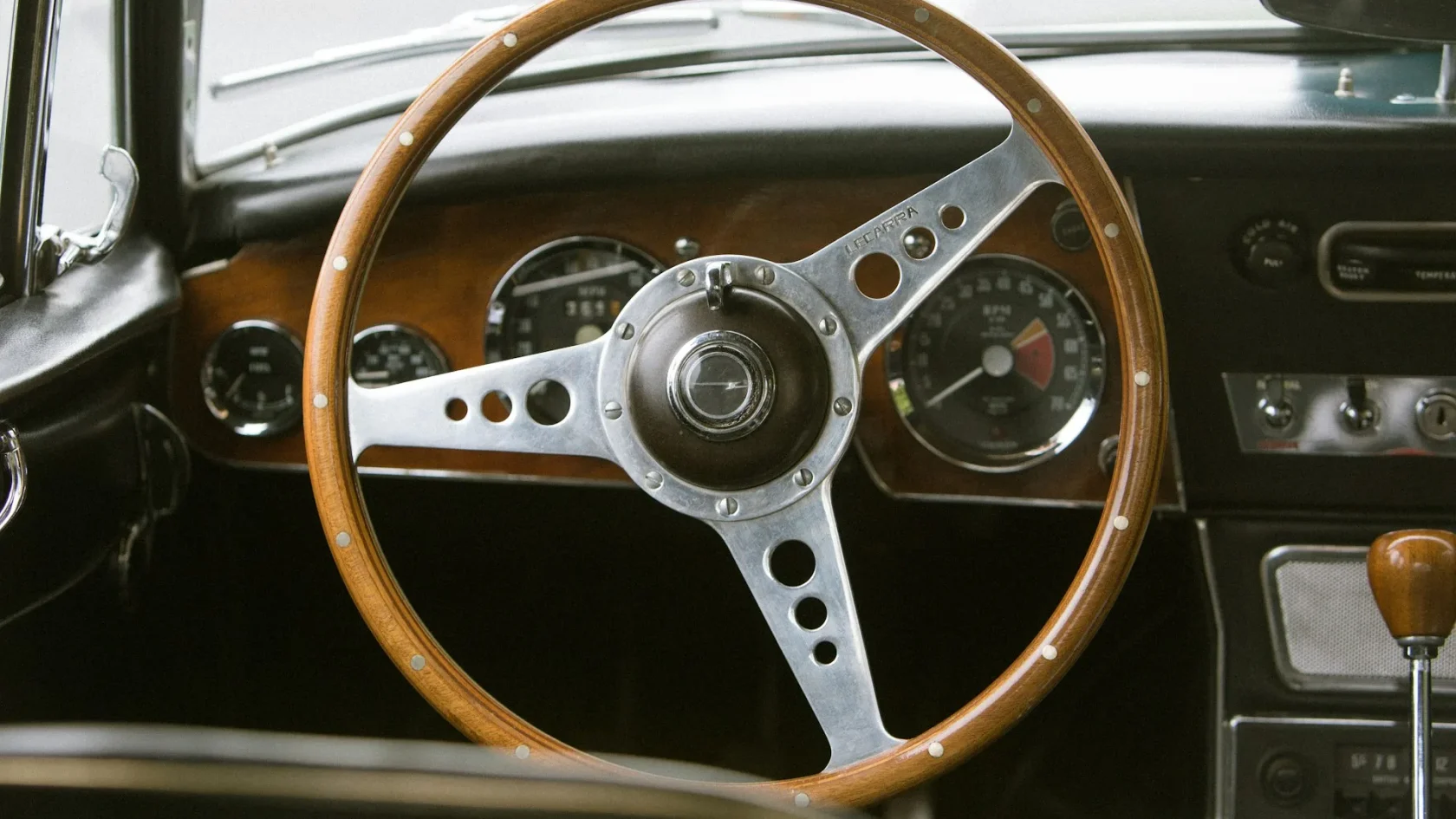
Key takeaways
- An amber steering wheel symbol usually means reduced or limited assist, while a red one means stop and get help.
- A quick restart clears many amber steering warnings caused by a one-time glitch or overheated assist.
- If it appears with a lane or driver-assist message, the cause is often a camera or calibration issue, not the steering itself.
- Persistent amber warnings, heavy steering, or a red light mean it is time for a proper diagnostic.
An amber steering wheel glowing on your dash is one of those lights that makes you grip the wheel a little tighter and wonder if the car is about to fight you. The color is the first clue, and it is mostly reassuring: amber means caution, not emergency.
A yellow or amber steering wheel symbol generally tells you the steering system, or a driver-assist feature tied to it, is running in a reduced or limited state. The car still steers. It is warning you that some help has been dialed back or a fault has been logged. That is very different from a red steering warning, which means pull over.
I have chased this light across a lot of makes, and the causes range from a trivial glitch to a real calibration need. Here is how to tell which one you are looking at.
What an amber steering wheel light means

Modern cars use electric power steering, a motor that adds effort so the wheel feels light. That same electric system is woven into driver-assist features like lane keep and lane centering, which physically nudge the wheel for you. So a steering symbol can be about the power assist, the assist features, or both.
When the symbol is amber, the usual meaning is one of these: the power steering assist has reduced itself, a driver-assist steering feature has faulted, or the system needs to relearn or recalibrate after some event. The steering still works, but you may feel it get heavier, or you may notice lane keep has quietly stopped nudging. Our pillar on what your ADAS warning lights actually mean places this symbol alongside the rest of your dash so you can compare.
Watch out
If the steering wheel light is red, not amber, treat it as urgent. Red usually signals a significant power steering fault. Find a safe place to stop, because the wheel can suddenly become very heavy, especially at low speed and when parking.
Amber versus red, and why it matters
This color split is the single most useful thing to understand here. Amber is a caution: the system is degraded but you can usually drive on carefully and get it looked at soon. Red is a demand: something is seriously wrong and you should stop.
With an amber light, the steering will typically feel normal or only slightly heavier, and the main loss is often a driver-assist feature rather than basic steering. When the reduction is specifically about the assist features stepping back, our article on steering assist reduced digs into exactly what that state feels like and why it happens.
Why lane keep and steering warnings overlap
Because lane keep and lane centering work by turning the same electric steering motor, a fault in those features can light a steering symbol even when your basic power steering is perfectly fine. If your amber light shows up together with a lane message, the trouble is frequently on the camera or calibration side, not the steering rack. Understanding how modern driver-assist systems work makes this overlap click into place.
The common causes I see
Here is the spread of what actually triggers an amber steering wheel light, from the trivial to the real.
| Cause | Severity | Typical fix |
|---|---|---|
| One-time electronic glitch | Minor | Restart the car |
| Assist reduced from overheating in hard parking | Minor | Let it cool, restart |
| Driver-assist camera lost calibration | Moderate | Recalibrate |
| Low battery voltage affecting the assist motor | Moderate | Test and charge battery |
| Steering angle sensor needs relearn after alignment | Moderate | Relearn procedure |
| Genuine power steering fault | Serious | Diagnose and repair |
That overheating one catches people during a tight parallel-parking session. Crank the wheel back and forth enough at a standstill and some systems briefly reduce assist to protect the motor, lighting the amber symbol. Let it rest a few minutes and it usually clears on its own.
What to do when you see it
Work from simple to serious.
-
Note the color and feel
Confirm it is amber, not red, and check whether the wheel feels heavier than normal. Red or very heavy steering means stop safely now.
-
Restart the car
Pull over when safe, turn it fully off, wait a moment, and restart. A single glitch or a heat-related reduction often clears with a clean key cycle.
-
Look for a paired message
Check if a lane keep or driver-assist warning came up at the same time. That points you toward a calibration cause rather than the steering itself.
-
Check recent history
Think about whether you just had an alignment, a windshield swap, or a front-end repair. Any of those can require a relearn or recalibration.
-
Get it scanned
If the amber light stays after a restart, a scan tool reads the stored code and tells you whether it is steering, a sensor, or calibration.
Calibration comes up a lot with this light, especially after glass or suspension work. If your amber steering symbol appeared following a windshield replacement or new tires, the camera or steering angle sensor may simply need to be reset to true. Our complete ADAS calibration guide explains the process, and the checklist in signs your ADAS needs recalibration helps you confirm whether that is your situation.
Good to know
An amber steering light that appears only during hard, repeated parking and clears after a short rest is almost always the assist motor protecting itself from heat. It is designed behavior, not a failure.
When to stop driving
Draw a hard line at the color. If the light goes red, or the wheel becomes noticeably heavy and hard to turn, stop somewhere safe and arrange help rather than pressing on. Steering is not a system to gamble with, and the National Highway Traffic Safety Administration treats power steering faults as a genuine safety concern for exactly that reason.
An amber light that clears with a restart and leaves the wheel feeling normal is far less dramatic, usually a glitch or a calibration nudge. Get it scanned when convenient, address any calibration need, and you are typically fine to keep driving in the meantime. Read the color first, feel the wheel second, and let those two things tell you whether this is a quiet fix or a stop-the-car moment.
Frequently asked questions
It usually means the power steering assist or a driver-assist steering feature is running in a reduced or limited state. The car still steers, but some help has been dialed back or a fault has been logged. Amber is a caution, unlike a red steering light, which means stop.
Usually yes, at least to get it checked soon, since the wheel typically still works and may feel only slightly heavier. But if the light turns red or the steering becomes noticeably heavy and hard to turn, stop somewhere safe and get help instead of continuing.
Because lane keep and lane centering steer by turning the same electric steering motor, a fault in those features can light a steering symbol even when basic steering is fine. When both appear together, the cause is often a camera or calibration issue rather than the steering rack itself.
Often, yes, when it follows a windshield replacement, an alignment, or new tires. The forward camera or steering angle sensor may just need to be reset to true. If a restart does not clear the amber light, a scan will confirm whether calibration is what it needs.
Keep reading
Related guides
Automatic Emergency Braking Warning Symbol
That amber car-with-brackets symbol means your last line of crash defense may not be fully armed.
Read guide
Parking Sensor Warning Light Explained
A steady parking sensor warning light means the system has a fault, not just a nearby obstacle.
Read guide
Cruise Control Unavailable Warning Guide
A cruise control unavailable message usually points to a blocked sensor, a system fault, or a simple condition the car does not like.
Read guide