How Many Sensors Does a Car Have?
A former calibration tech counts the sensors packed into a modern car, group by group, from engine to airbags.

Key takeaways
- A typical modern car has roughly 60 to 100 sensors, and a loaded luxury model can exceed 200.
- Engine and powertrain sensors are the biggest group on a combustion car, at 20 to 30 units.
- A full ADAS suite adds 15 to 25 sensors, including cameras, radar, and ultrasonic units.
- Trim level and the driver-assistance package are the biggest factors in the final count.
People ask me this expecting a tidy number, and the honest answer is that a modern car carries somewhere between 60 and 100 sensors, and a loaded luxury model can push past 200. It depends heavily on the trim, the driver-assistance package, and how you count. A base economy car sits near the low end. A car with full ADAS, air suspension, and a big infotainment stack sits near the top.
The reason the range is so wide is that a sensor is just any device that measures something and reports it to a computer, and cars measure a staggering amount. I spent years working on the driver-assistance sensors specifically, but those are a fraction of the total. Your engine alone runs on a dozen or more.
Rather than argue about a single figure, let me break the count into the groups that make up the total, roughly from most numerous to least, so you can see where all those sensors actually go.
1. Engine and powertrain sensors (the biggest group)
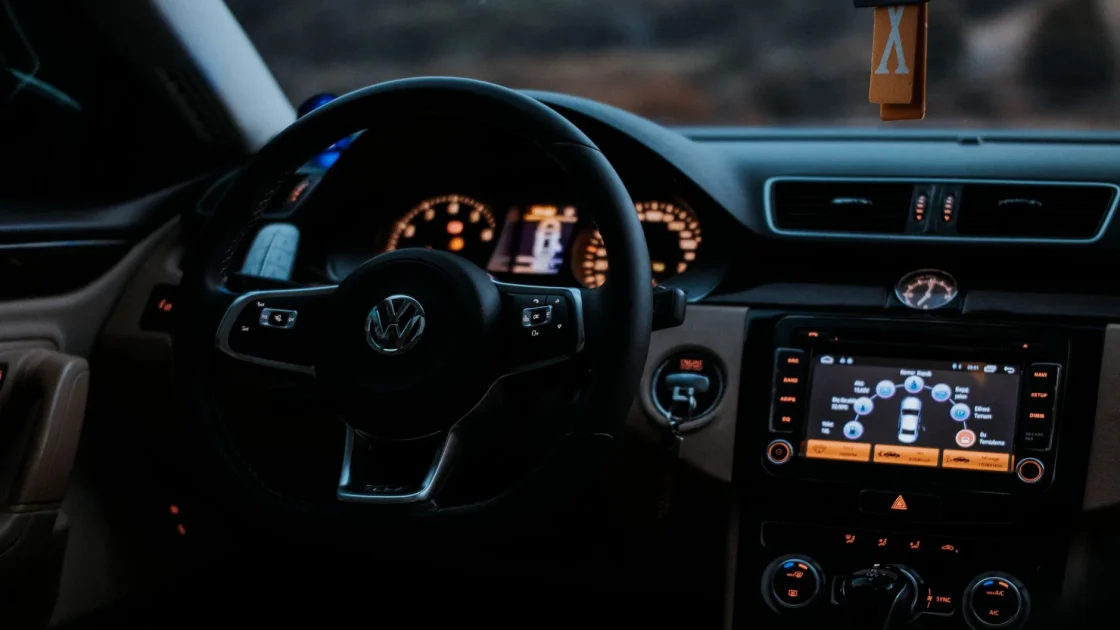
This is where the raw numbers pile up. A combustion engine is a cloud of sensors feeding the engine control unit dozens of times a second. Oxygen sensors in the exhaust, the mass airflow sensor, the manifold pressure sensor, coolant and oil temperature sensors, the crankshaft and camshaft position sensors, knock sensors, throttle position, fuel rail pressure, and more.
Count them up and a typical gasoline engine carries 20 to 30 sensors on its own, sometimes more on a turbocharged or larger engine. Electric cars trade many of these for battery and motor sensors, but they are not sensor-light. A big EV battery pack monitors the temperature and voltage of its cells with its own network of sensors, which can run into the hundreds.
Why the total varies so much
Trim level is the single biggest factor. Two cars off the same line can differ by 50 or more sensors depending on whether they have adaptive cruise, air suspension, a 360-degree camera, and a premium climate system.
2. ADAS sensors: cameras, radar, and ultrasonics
This is my old territory, and it is the group that has grown fastest. A car with a full driver-assistance suite carries a surprising spread of these, and each type does a different job.
- Front camera behind the windshield for lane and object detection, covered in the guide to where the forward ADAS camera sits.
- Forward radar for adaptive cruise and automatic braking, explained in the piece on how car radar sensors work.
- Corner and blind-spot radar, usually two to four units, detailed in the guide to blind spot radar sensors.
- Ultrasonic parking sensors, often 8 to 12 around the bumpers, explained in the article on ultrasonic parking sensors.
- Surround-view cameras, typically four, for the 360-degree parking image.
Add those up and a well-equipped car easily carries 15 to 25 ADAS-related sensors before you count the software that fuses them. The full overview lives in the guide to the cameras and radar behind ADAS if you want to understand how they cooperate.
3. Wheel, brake, and chassis sensors
Every car sold today has at least four wheel-speed sensors, one per wheel, feeding the anti-lock brakes and stability control. On top of those sit the steering angle sensor, the yaw rate sensor, and lateral and longitudinal accelerometers that tell the car how it is moving through a corner.
Cars with adjustable or air suspension add ride-height sensors at each corner. Brake systems add pressure sensors. Tally the chassis group and you are looking at 10 to 20 sensors on most cars, more on a performance model with active suspension.
4. Tire pressure sensors
Since tire pressure monitoring became mandatory, most cars carry a pressure sensor inside each wheel, so four of them, sometimes five with a monitored spare. They matter more to ADAS than people realize, because incorrect tire size or pressure can throw off the calibration of driver-assist systems and quietly skew what the wheel-speed data reports.
5. Climate, cabin, and comfort sensors
The interior hides more sensors than most people would guess. Cabin and outside temperature sensors, a sunlight and solar-load sensor for the climate system, humidity sensors, air-quality sensors on higher trims, and seat occupancy sensors that decide whether to arm the passenger airbag.
Automatic wipers add a rain sensor, and automatic headlights add a light sensor, both usually clustered near the windshield next to the forward camera. That comfort group alone can be 10 to 15 sensors on a nicely equipped car.
6. Safety and airbag sensors
The airbag system runs on its own set of crash sensors, accelerometers positioned around the car that detect an impact and decide which airbags to fire and how hard. Seatbelt tension and buckle sensors join them, along with rollover sensors on many models. This safety group typically adds 8 to 15 sensors, all of them quietly waiting for an event that hopefully never comes.
Watch out
More sensors means more things that can throw a warning light. A single dirty or failed sensor, especially an ADAS one, can disable a whole feature and light up the dash. That is not a fragile car, it is a car being honest about what it can no longer verify.
So what is the real number?
If you want one figure to carry around, say 70 sensors for a typical modern car and be roughly right. A stripped base model might have 60. A loaded luxury car with every driver-assistance feature, air suspension, a big EV battery, and a premium cabin can genuinely run past 200 once you count every cell-monitoring and comfort sensor.
What matters more than the exact count is that these sensors work together, and that a failure in one can cascade into a warning you did not expect. The ones I fielded most questions about were the driver-assist sensors, because they fail in visible, annoying ways, and because they degrade with age and grime, which I cover in the guide on how ADAS sensors fail over time. For the regulator’s plain-language rundown of the driver-assistance sensors specifically, the National Highway Traffic Safety Administration keeps a good page: NHTSA driver assistance technologies.
The takeaway I leave people with is this: your car is less a machine with a few gauges and more a rolling network of small measuring devices, all reporting to computers that make decisions in milliseconds. When one of them speaks up on your dash, it is usually one voice out of a hundred asking for a wipe, a reset, or a look. Knowing which group it belongs to is half the battle in figuring out what to do next.
Frequently asked questions
A typical modern car carries roughly 60 to 100 sensors, with 70 being a fair round number. A base economy model sits near the low end, while a loaded luxury car with full driver-assistance features, air suspension, and a large EV battery can exceed 200 once every cell-monitoring and comfort sensor is counted.
The engine and powertrain group is usually the largest on a combustion car, with 20 to 30 sensors feeding the engine computer. On an electric car, the battery pack takes the lead, since it monitors the temperature and voltage of its cells with a network that can run into the hundreds of individual sensors.
A car with a full driver-assistance suite typically carries 15 to 25 ADAS-related sensors. That includes a front camera, forward radar, two to four corner or blind-spot radar units, eight to twelve ultrasonic parking sensors, and usually four surround-view cameras for the 360-degree image.
Not inherently, but more sensors do mean more components that can trigger a warning. A single dirty or failed sensor, especially a driver-assist one, can disable a whole feature and light the dash. That is the car being honest about what it can no longer verify, not a sign the vehicle is fragile.
Keep reading
Related guides
How ADAS Sensors Fail Over Time
Cameras and radar rarely die overnight; they degrade in specific, predictable ways you can learn to spot.
Read guide
Why Rain Disables Driver-Assist Sensors
Rain switches your driver-assist systems off on purpose, and knowing why keeps a stormy dashboard from rattling you.
Read guide
Snow and Ice on ADAS Sensors
Winter warnings usually mean snow or ice is sitting on a sensor, not that anything expensive has broken.
Read guide