How Lane Centering Handles Curves
Your car holds a straight lane with ease, so why does it wander in a bend? A former calibration tech explains lane centering in curves.

Key takeaways
- Lane centering steers by predicting where the lane goes next, so tight curves that hide the lines quickly are the hardest for it.
- Every system caps how hard it will turn the wheel, so a sharp bend can simply exceed the steering it is allowed to apply.
- Higher speed shortens the reaction time the camera has, so slowing before a curve makes the system far steadier.
- Faded lines, low sun, crests, and rain all cut a curve short and can hand steering back to you mid-bend.
- Keep a hand on the wheel through every corner and take over early on tight switchbacks and exit ramps.
The first time you let a car steer itself through a sweeping highway bend, your hands hover over the wheel like a parent watching a toddler on a bike. That is the right instinct. Lane centering is genuinely good at holding a straight lane, but curves are where it earns or loses your trust.
I spent years aiming the cameras that make lane centering work, and curves were the number one thing customers asked about after a calibration. Why did the car handle one bend beautifully and then ping-pong through the next one? The answer is not magic, and it is not a defect. It is physics, camera range, and the honest limits of what a front-facing camera can see.
Here is how lane centering actually reads and steers a curve, why tighter and faster corners give it trouble, and what you can do to make it behave. No brochure talk, just what these systems do on real roads.
What lane centering is trying to do in a corner
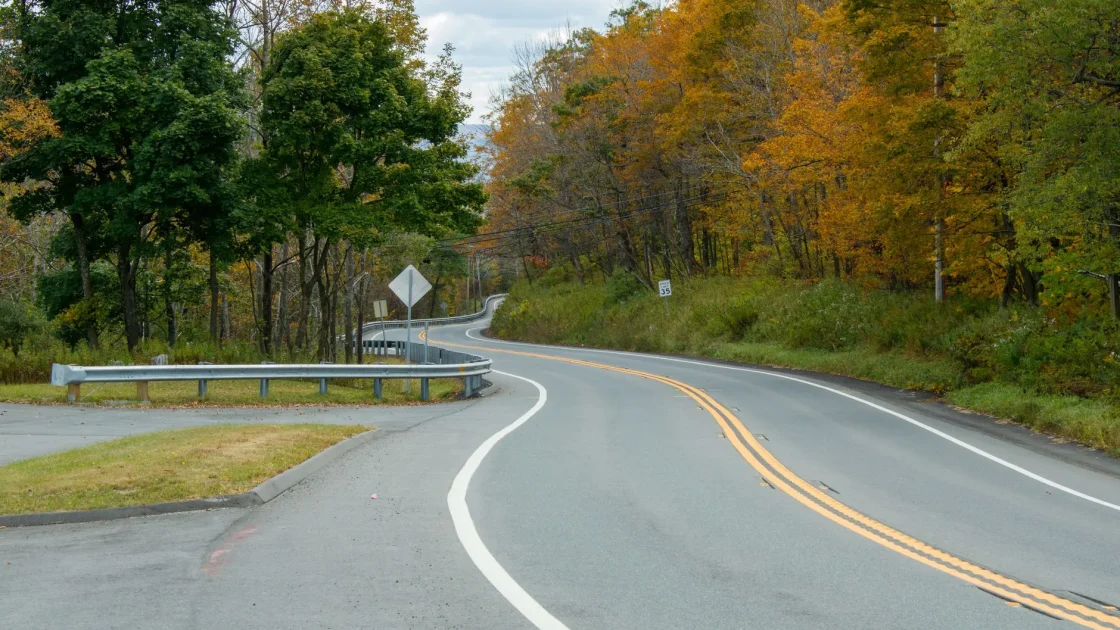
Lane centering keeps your car in the middle of its lane by watching the painted lines through the windshield camera and making small steering corrections. On a straight road that is easy. The lines run parallel and the math is simple.
A curve changes the problem. Now the lane is bending away from you, and the system has to predict where the lane will be a second or two ahead, not just where it is right now. It builds a model of the curve from the lines it can see, calculates how much steering angle that curve needs, and feeds in torque to follow it. If you want the wider picture of how this fits with other features, the pillar on how modern driver-assist systems work lays out where lane centering sits in the stack.
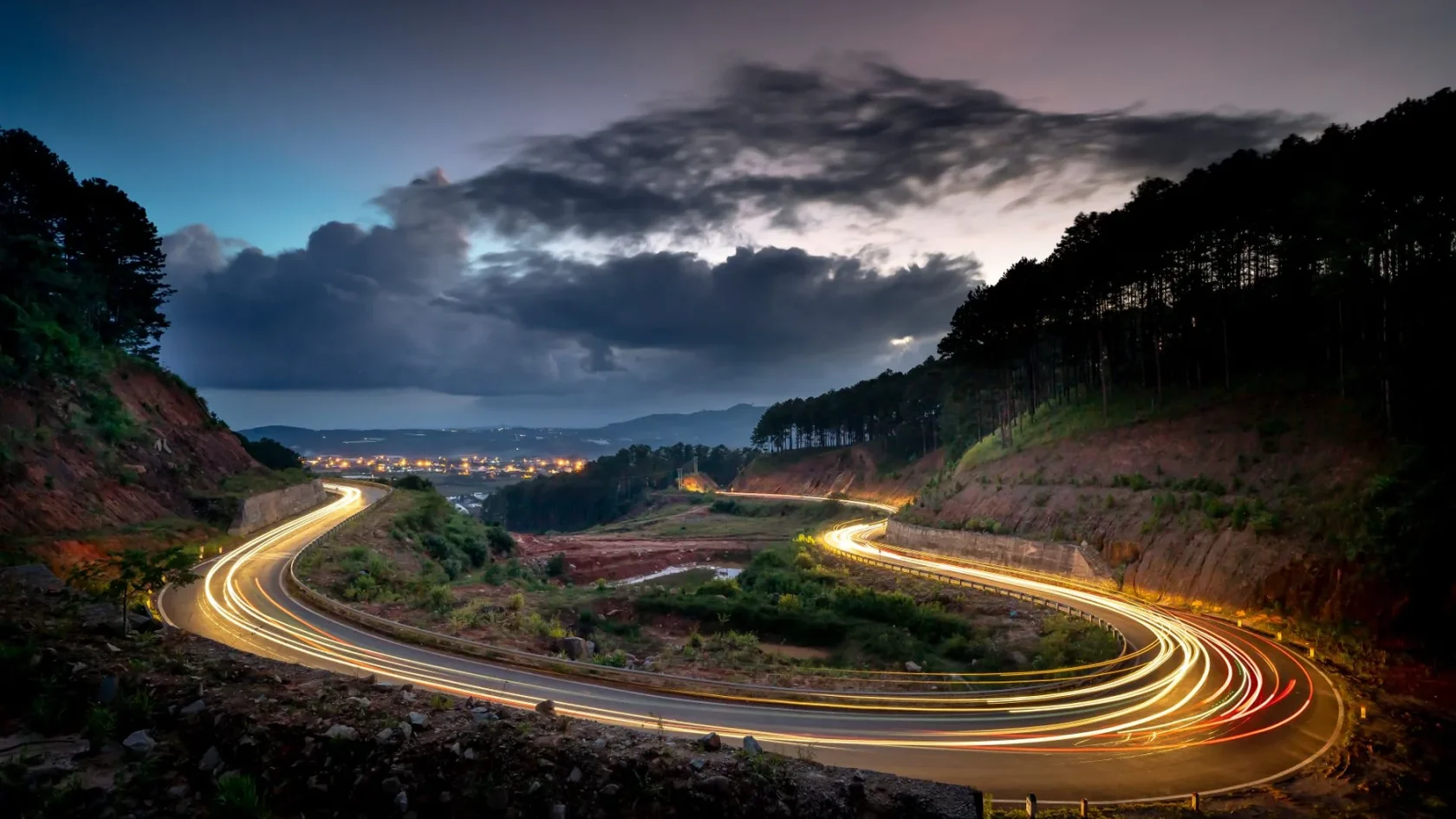
The key word is predict. The camera can only see so far down the road, and the tighter the curve, the sooner the lane disappears out of frame. That is the root of almost every curve problem people notice.
Why tight curves are harder than gentle ones
A gentle motorway bend has a large radius, so the lines stay in the camera’s view for a long way ahead. The system sees plenty of road, predicts confidently, and steers smoothly. You barely feel it working.
A tight curve has a small radius. The lane curls out of the camera’s field of view quickly, so the system has less road to work with and less time to react. On top of that, tight curves usually need more steering angle than lane centering is allowed to apply. Most systems cap how hard they will turn the wheel, partly for safety and partly because the hardware behind the feature was tuned for highway geometry, not back roads.
The short version
Lane centering steers by predicting where the lane goes next. Gentle curves keep the lines in view, so it steers smoothly. Tight curves hide the lines fast and often need more steering than the system will apply, so it may drift wide or hand control back to you.
What speed does to the whole thing
Speed makes every curve harder. At 45 mph the car covers a lot of ground in the second the system uses to plan, so it has to commit to a steering angle earlier and get it right. Enter a bend too fast and the system can run out of steering authority, meaning it simply cannot turn the wheel enough to stay centered.
When that happens you feel the car drift toward the outside line, and usually a warning chimes and the steering hands back to you. That is not a failure. It is the system telling you the corner is beyond what it was designed to handle, which is exactly the honesty you want from a driver aid. Lane centering is a close cousin of lane keeping, and the differences matter here; the comparison in lane keeping assist vs lane centering explains why one nudges and the other actively holds the middle.
Faded lines, crests, and the things that confuse the camera
Curves rarely fail on their own. They fail with a little help from the road. A worn or faded outer line on a bend gives the camera less to lock onto right where it needs it most. Sun low on the horizon can wash the lines out. A crest in the middle of a curve hides the road surface for a moment, and the system loses its prediction.
Rain and road spray on a bend are a classic combination. The lines go dim, the camera loses confidence, and lane centering quietly bows out. This is the same behavior you see when the camera is physically obstructed, which is worth understanding on its own; the guide on what blocks your ADAS camera covers the dirt, ice, and glare that cut a curve short. If the car keeps warning that steering help is reduced, the walkthrough on what steering assist reduced means explains the dashboard side of it.
Watch out
Lane centering can wash out mid-corner without much warning on a faded or rain-soaked bend. Keep a hand on the wheel and stay ready to steer through every curve. Treat the system as help through the corner, not a driver of the corner.
How to help your car through curves
You can get noticeably better curve behavior without any parts or software. Most of it comes down to setting the car up well and reading the road with it.
-
Slow before the bend, not in it
Set your speed a touch lower entering a curve. Giving the system a slower closing speed buys it the reaction time it needs, and it will hold the line far more calmly.
-
Keep the windshield and camera clean
A smeared windshield in front of the camera costs you exactly when the lines get faint. Clean the glass inside and out, especially the small patch ahead of the mirror housing.
-
Keep light hands on the wheel
Rest your hands on the rim and let the system lead, but be ready to add steering. A gentle assist from you through a tight bend keeps the car centered and keeps the system engaged.
-
Learn which corners it dislikes
Every road has a bend or two where the lines fade or the radius tightens. Once you know them, you take over early and stop being surprised.
On the highway, lane centering paired with adaptive cruise becomes a genuinely relaxing tool for long drives, and gentle interstate curves are its comfort zone. If your car offers the fuller package, the overview of how highway driving assist works shows how the two features combine on open road.
When to just take the wheel
There is no prize for making lane centering finish a corner it does not want to finish. On tight mountain switchbacks, sharp exit ramps, and construction zones with shifted lines, take over early and steer it yourself. The system will thank you by staying available for the easy stretches.
Independent testing backs this up. The Insurance Institute for Highway Safety has been clear that lane centering varies a lot between brands and is a convenience aid, not a substitute for a driver, and its work on the topic is worth a read: IIHS advanced driver assistance. A Mazda I calibrated one spring handled fast sweepers beautifully and gave up on a tight cloverleaf every single time, and that was the car working exactly as intended.
So treat curves as the place where you and the car share the work. Let it hold the gentle bends, take the tight ones yourself, and keep your eyes up. Used that way, lane centering makes a long, curvy drive easier without ever pretending to be something it is not.
Frequently asked questions
On a straight road the lane lines stay parallel and easy to read, so the system steers confidently. In a curve the lane bends out of the camera's view quickly, and the system has less road to predict from. Tight or fast bends can also need more steering than the car is allowed to apply, so it drifts wide or hands control back to you.
Usually not well. Sharp turns have a small radius that pulls the lane out of the camera's view fast, and they often need more steering angle than the system will use. On tight switchbacks and sharp exit ramps you should take over early and steer yourself rather than expecting the car to finish the corner.
Yes, a lot. Slowing before a bend gives the camera and software more time to read the curve and apply steering smoothly. Entering a curve too fast is the most common reason the system runs out of steering authority and drifts toward the outside line.
No. Lane centering is a driver aid that can wash out mid-corner on a faded or rain-soaked bend with little warning. Keep at least one hand on the wheel and stay ready to steer through every curve, and treat the feature as help through the corner rather than something driving the corner for you.
Keep reading
Related guides
Highway Driving Assist: How It Works
The highway mode that steers, holds speed, and keeps its distance, broken down by a former ADAS tech.
Read guide
Junction Assist and Turn Assist Explained
Turning left across traffic is one of the riskiest moves you make. A former ADAS tech explains the feature built to help.
Read guide
Driver Attention Monitoring Explained
The steering sensors and face-tracking cameras that decide you need a break, decoded in plain English.
Read guide