Junction Assist and Turn Assist Explained
Turning left across traffic is one of the riskiest moves you make. A former ADAS tech explains the feature built to help.

Key takeaways
- Junction assist targets intersection crashes, mainly turning left across oncoming traffic and pulling into crossing traffic.
- It uses the front camera and radar to spot a conflicting vehicle, warns you, and can brake to stop you entering its path.
- The system works in stages: detect your intent to turn, scan for a conflict, warn you, then brake if impact becomes likely.
- It struggles with fast oncoming traffic and can miss motorcycles, so you must still judge every turn yourself.
- Keep the windshield camera clean and treat any intervention as a firm, last-resort backup, not a routine helper.
Turning left across oncoming traffic is statistically one of the riskiest routine moves a driver makes. You are judging a gap, watching for pedestrians, and committing the whole car across a lane of cars coming the other way. Junction assist is the feature built to help with that exact moment, and it is one of the more quietly clever systems on a modern car.
It goes by different names depending on the brand. Junction assist, turn assist, intersection assist, they all describe systems that watch for the crash risks unique to turning and crossing at an intersection. I have calibrated the cameras and radars they depend on, and while the feature is genuinely useful, it is also widely misunderstood. People expect it to do far more than it does.
Here is what junction assist and turn assist really watch for, how they decide to intervene, and where their limits sit. Clear, first-hand, and free of the marketing shine.
What junction assist is actually watching
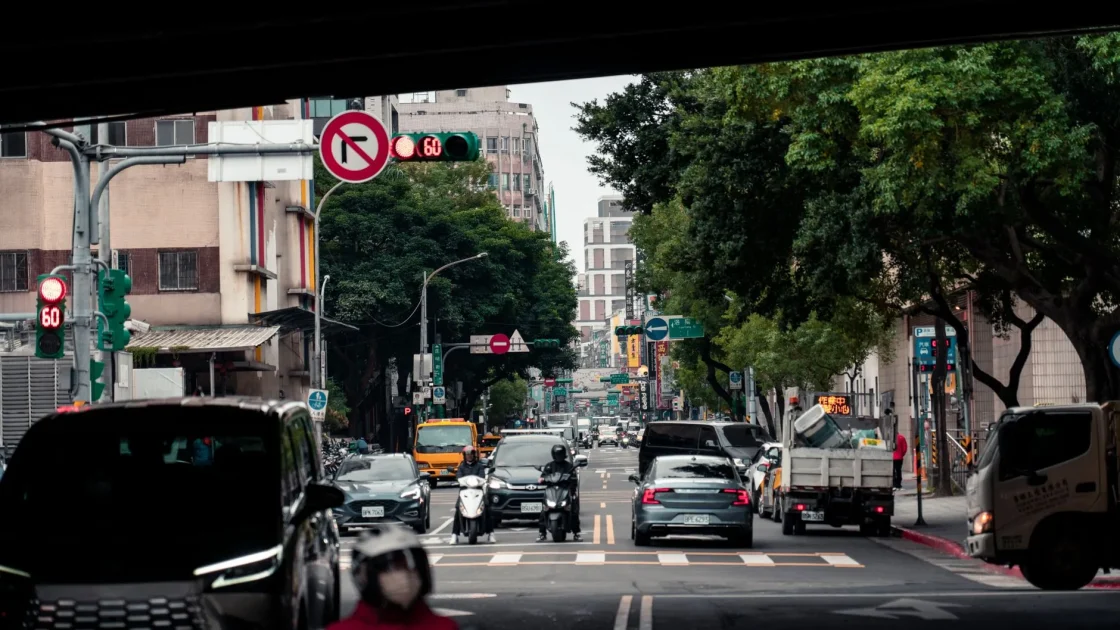
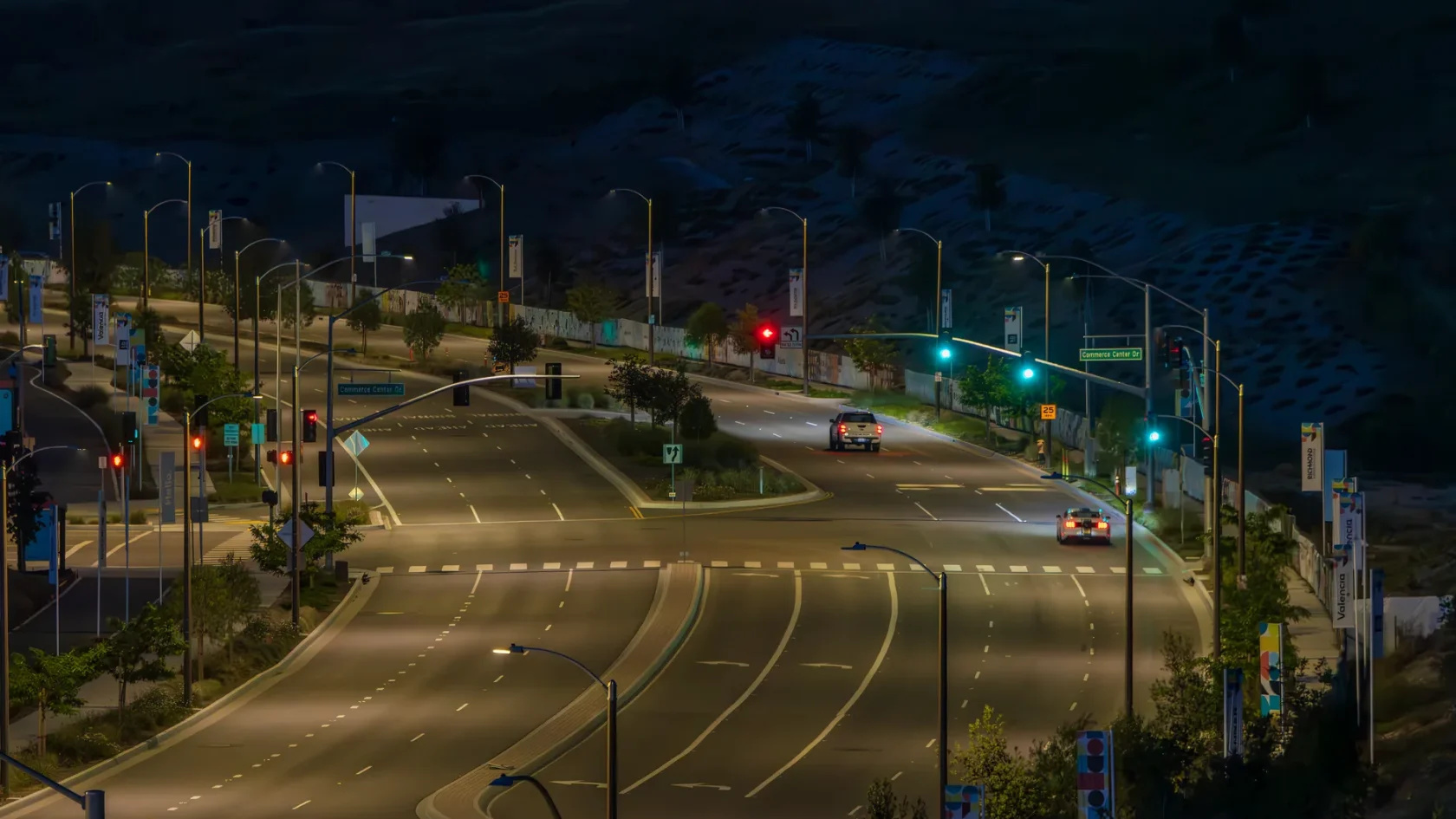
Junction assist targets the specific crashes that happen at intersections, not the general road ahead. The headline scenario is the left turn across oncoming traffic. When you signal and begin turning left, the system checks whether a car is coming the other way, and if a collision looks likely, it warns you and can brake to stop you from pulling into its path.
Turn assist often adds a second scenario: crossing traffic at the junction itself, a car coming from the side as you pull out. Both are situations where a driver’s attention is split and the geometry hides the threat until late. These features are close relatives of the forward safety systems, and the logic is shared; the overview of how automatic emergency braking works explains the same brake-to-avoid principle that junction assist points at oncoming and crossing cars.
The point is precision. This is not lane keeping or adaptive cruise. It is a targeted safety net for the handful of intersection moves that cause a large share of injury crashes.
The sensors behind the feature
Junction assist leans on the same core hardware as the rest of your safety suite, used in a smarter way. The forward camera behind the windshield identifies oncoming vehicles and reads their approach. The front radar measures the distance and closing speed of a car coming toward you.
Turning that data into a left-turn decision is the hard part. The system has to know you intend to turn, usually from your indicator and steering input, then judge whether the gap in oncoming traffic is safe given your speed and theirs. The front radar doing this work is the same kind of unit explained in the guide to how car radar sensors work, and its aim has to be exact for the geometry of a turn to compute correctly.
The short version
Junction assist watches the risky intersection moves, mainly turning left across oncoming traffic and pulling into crossing traffic. It uses the front camera and radar to spot the threat, warns you, and can brake to stop you entering a car’s path. It is a targeted safety net, not a general driver aid.
How it decides to step in
The system works in stages, and understanding them tells you what to expect. First it detects your intent to turn or cross, from the indicator, the steering angle, and your position at the junction. Then it scans for a conflicting vehicle, oncoming for a left turn or crossing for a pull-out.
If it sees a conflict and you are still moving into it, you get a warning first, a visual and audible alert to stop. If you keep going and impact becomes likely, it applies the brakes to hold you short of the other car. The intervention is usually a hard, brief stop meant to buy a moment, not a smooth maneuver. It shares this staged warn-then-brake pattern with pedestrian systems, which matter enormously at junctions where people cross; the guide on how pedestrian detection systems work covers that overlap directly.
Where junction assist falls short
This is the part the ads skip. Junction assist has real and important limits, and treating it as a guarantee is how people get hurt.
It struggles with fast oncoming traffic, because a car approaching quickly gives the radar and camera very little time to judge the gap and act. It can miss a motorcycle, which presents a smaller radar and camera signature than a car. Complex intersections with odd angles, multiple lanes, or heavy pedestrian flow can exceed what the geometry allows it to compute. And it will not read every crossing threat from every angle, because the sensors mostly face forward.
Watch out
Junction assist can miss motorcycles and reacts poorly to fast oncoming traffic. Never pull into a gap trusting the car to save you. Judge the turn yourself, and treat any intervention as a last-resort backup you hope never triggers.
Living with it day to day
Used correctly, junction assist is a valuable backstop for the times your judgment slips, a misjudged gap, a distraction, a pedestrian you did not clock. The habit that gets the most from it is simple: keep making every turn decision yourself, and let the system be the safety net you never lean on.
- Signal early so the system reliably knows you intend to turn.
- Judge every gap in oncoming traffic yourself, exactly as you always have.
- Keep the windshield camera area clean so it can see oncoming cars clearly.
- Expect a firm, abrupt brake if it does intervene, and do not fight it.
The camera side of this deserves a note. Because the front camera identifies oncoming vehicles, anything blocking it undercuts the feature, and junction geometry gives it little margin. The guide on what blocks your ADAS camera covers the dirt, glare, and obstructions that can quietly disable it right when you need it at an intersection. Junction assist also sits alongside more aggressive interventions like the one in the piece on evasive steering assist, which some cars pair with it for the moments braking alone is not enough.
Independent crash researchers have pushed hard for these intersection features precisely because left-turn and crossing crashes cause so many serious injuries. The Insurance Institute for Highway Safety has written extensively on why these moves are so dangerous and how automation can help: IIHS advanced driver assistance. A Volkswagen I calibrated for a customer who had been through a left-turn collision gave her back real confidence at intersections, but she still checked every gap herself, which is exactly right. Let junction assist watch your back at the intersection, keep your own judgment in charge, and the riskiest turn you make gets a little safer.
Frequently asked questions
It watches for the specific crash risks of turning and crossing at a junction, mainly turning left across oncoming traffic and pulling out into crossing traffic. If it detects a conflicting vehicle and you are moving into its path, it warns you and can brake automatically to stop you short. It is a targeted safety net for intersection moves, not a general driving aid.
They overlap and the names are often used interchangeably by different brands. Junction assist usually covers intersection crash risks broadly, while turn assist commonly emphasizes the left turn across oncoming traffic and crossing vehicles. Both rely on the front camera and radar and both can warn and brake, so the practical behavior is very similar.
Not reliably. A motorcycle presents a smaller radar and camera signature than a car, so it can be missed, and fast oncoming traffic gives the sensors very little time to judge the gap and react. For these reasons you should always judge the turn yourself and never pull into a gap trusting the system to intervene.
Common reasons include a blocked or dirty windshield camera, a fast or small oncoming vehicle the sensors could not read in time, or a complex intersection geometry beyond what the system can compute. Junction assist is a backup that can miss threats, so keep the camera area clean and treat it as a last resort rather than a guarantee.
Keep reading
Related guides
How Automatic High Beams Work
The camera that flips your brights on and off for you at night, and how to get it to behave.
Read guide
Lane Keeping Assist vs Lane Centering
One is an occasional nudge, the other steers with you every mile. A former calibration tech sorts the two by what they actually do at the wheel.
Read guide
Traffic Jam Assist: What It Does
The feature that handles the crawl of rush-hour traffic for you, and the fine print on why you cannot check out.
Read guide