Why a Stone Chip Can Disable Assist
A former calibration tech explains why a tiny stone chip in the wrong spot can shut down your driver-assist features.

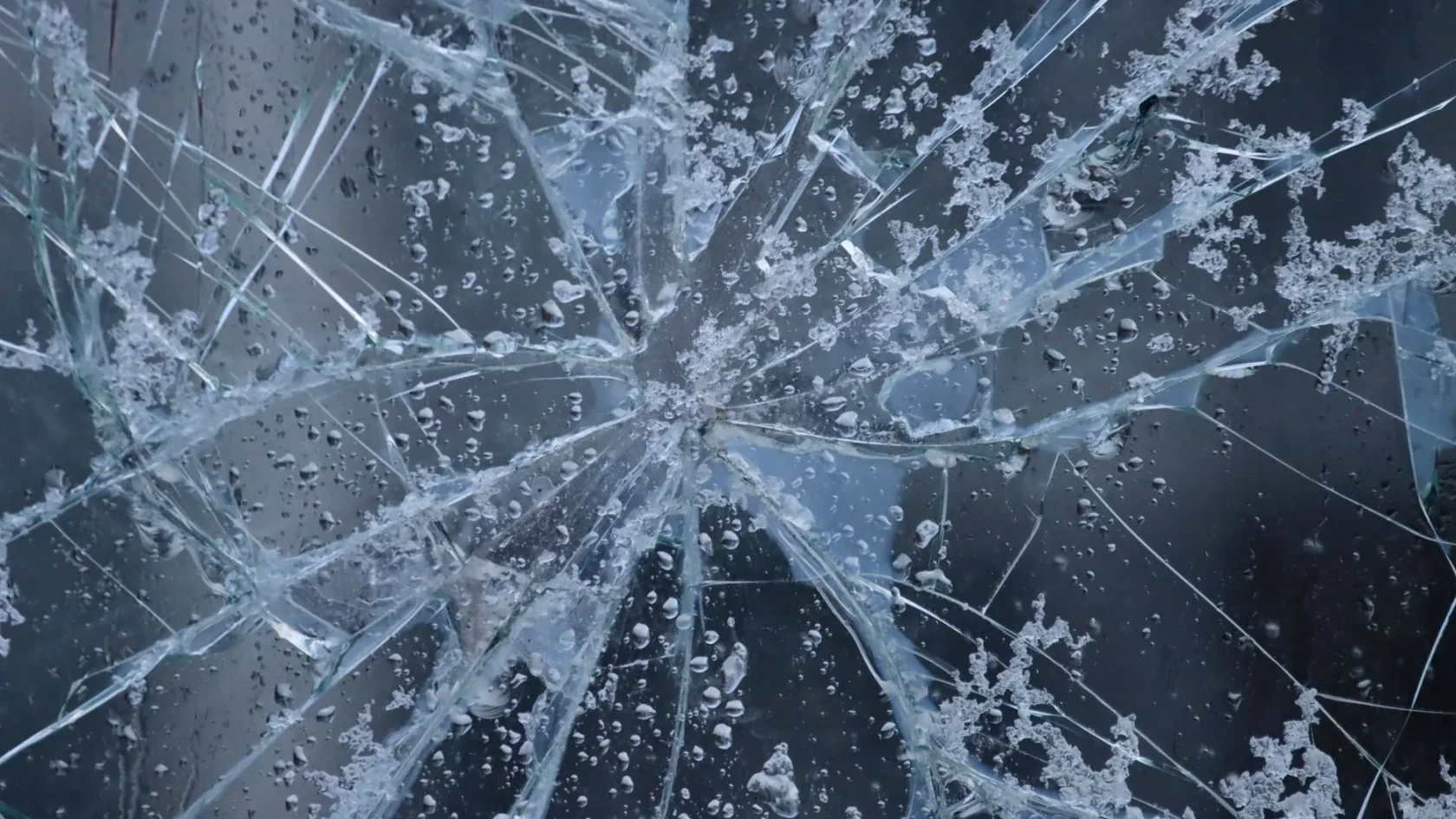
Key takeaways
- The forward ADAS camera looks through a small patch of windshield, so a chip there can disable lane keeping instantly.
- Location matters more than size: a tiny chip in the camera's view outranks a big one off to the side.
- A resin repair often works if the chip is outside the camera zone, but may not satisfy the camera if it is in view.
- A full windshield replacement almost always requires recalibrating the camera afterward.
A customer once rolled in genuinely angry that a chip the size of a grain of rice, way over on the passenger side, had switched off her lane-keeping and thrown a driver-assist warning. It seemed absurd to her that something so small and so far from her line of sight could disable a whole system. I get it. But once you know where the camera looks, it makes complete sense.
The forward ADAS camera lives right behind your windshield, and it looks out through the glass to read lane lines, cars, and pedestrians. That glass is part of the camera’s lens. A chip, a crack, or even a bad repair in the wrong spot distorts what the camera sees, and the car would rather switch the system off than trust a warped view.
Here are the questions I got asked over and over about windshield damage and driver assistance, answered in plain terms, so you know when a chip is harmless and when it is a real problem.
How can a small chip disable a whole system?

The camera behind your windshield has a narrow, specific field of view, a cone that looks forward and slightly down through a small patch of glass high on the windshield, usually right behind the rearview mirror. If a chip or crack falls inside that cone, it sits directly in the camera’s optical path.
Light passing through damaged glass scatters and bends. To the camera, a lane line might blur, double, or vanish for an instant as the car moves and the light angle shifts. The software sees its input become unreliable and does the safe thing: it flags the camera as obstructed and shuts down the features that depend on it. The full detail on where the camera sits is in the guide to where the forward ADAS camera is.
Location is everything
A chip low on the windshield or off to the far side is usually harmless to ADAS, because it sits outside the camera’s view. The same chip directly in front of the camera, high and central behind the mirror, can disable lane keeping and other features instantly.
Why was the chip far from the camera and still a problem?
This is the part that confuses people, and it was the case with that angry customer. Sometimes the chip itself is not in the camera’s direct view, but the crack has spread, or the glass has flexed, or a previous resin repair left a cloudy patch that catches light and throws glare into the camera at certain sun angles.
Cameras are also more sensitive than your eye. A distortion you would never notice while driving can be enough to drop the camera’s confidence below the threshold the software needs. The same logic covers dirt, ice, and stickers, which is why the general guide to what blocks your ADAS camera treats a chip as just one more thing standing between the lens and the road.
Can I just repair the chip instead of replacing the glass?
Often yes, and it is the cheaper path, but location decides everything. A resin repair fills a chip and stops it spreading, and if the chip is outside the camera’s field of view, a good repair usually restores full function with no further steps. A typical chip repair runs $60 to $150.
The problem comes when the chip is right in the camera’s line of sight. Even a well-done resin repair leaves a small optical blemish, and in the camera’s cone that blemish can keep scattering light. In that case the camera may stay unhappy even after the repair, and you are looking at a windshield replacement instead.
Watch out
Never let a shop repair a chip inside the camera zone without warning you that ADAS may still complain afterward. A cheap repair that leaves the camera obstructed is money wasted, and you may end up paying for the glass anyway.
Does a new windshield need calibration?
Yes, almost always, and this is the step people skip at their peril. When the glass is replaced, the camera comes off and goes back on, and its aim through the new glass is never guaranteed to match the old setup. The new windshield may also have slightly different optical properties. The camera has to be recalibrated so it knows exactly where it is pointing.
Skip that recalibration and the lane-keeping might steer a touch off center, or the automatic braking might misjudge distance, all while the dash looks perfectly normal. I cannot stress this enough, and I wrote a whole guide on why a windshield swap needs recalibration because it is the most commonly botched job in the whole ADAS world. A reputable glass shop either calibrates in house or sends the car straight to someone who does.
If you want to know what that appointment involves and what it costs, the full ADAS calibration guide walks through the static and dynamic procedures and the typical price range.
What should I do the moment a chip appears?
Act on it sooner than you think, because chips spread, and a chip that starts outside the camera zone can crack its way into it. Here is the order I recommend.
-
Note where the chip is
Look at the patch of glass high and central behind the mirror. If the chip is near there, treat it as urgent. If it is low or far to the side, it is less pressing but still worth repairing.
-
Cover it and keep it clean
A clear chip patch or even clear tape keeps dirt and moisture out until you get it fixed, which improves the odds of a clean resin repair.
-
Get it repaired quickly
A same-week repair often saves the whole windshield. Temperature swings and rough roads turn a chip into a crack fast.
-
Insist on calibration if the glass is replaced
If repair is not possible and you need new glass, confirm the shop will recalibrate the camera, not just fit the windshield.
It is worth taking seriously because these systems genuinely reduce crashes, and a disabled camera means the safety net is off. The National Highway Traffic Safety Administration keeps a clear overview of the driver-assistance features that depend on that forward camera: NHTSA driver assistance technologies.
The part I want you to remember
A stone chip is not just cosmetic once your car has a camera behind the glass. The windshield is a precision optical component now, and where the damage lands matters more than how big it is. A tiny chip in the wrong spot outranks a larger one off to the side.
So do not shrug off a chip because it looks small, and do not panic because a system light came on. Check where the chip sits, get it repaired fast while a repair is still possible, and if you need new glass, treat the calibration as non-negotiable. Do that and you keep both a clear windshield and the safety features that quietly watch the road through it. That angry customer, by the way, needed new glass and a recalibration, and her lane-keeping has worked perfectly ever since.
Frequently asked questions
Yes, if the chip sits inside the forward camera's narrow field of view, high and central behind the rearview mirror. The camera looks through that patch of glass, so a chip there scatters light and blurs what it sees. The car then flags the camera as obstructed and switches off features like lane keeping until the glass is fixed.
Cameras are more sensitive than your eye, so a distortion you would not notice can still drop the camera's confidence below its threshold. A spreading crack, flexing glass, or a cloudy old repair can also throw glare into the camera at certain sun angles even when the chip itself looks far from the lens.
A resin repair on its own does not usually require recalibration, since the camera never comes off. Recalibration becomes essential when the whole windshield is replaced, because the camera is removed and its aim through the new glass must be reset. Always confirm calibration is included with any full windshield replacement.
It depends on where the chip is. If it sits outside the camera's view, a resin repair is usually enough and costs far less. If it is directly in the camera's line of sight, even a good repair can leave an optical blemish the camera dislikes, and you may need a full replacement plus recalibration.
Keep reading
Related guides
Do Aftermarket Bumpers Affect Radar?
A former calibration tech explains when a replacement bumper quietly kills your forward radar, and how to keep it working.
Read guide
Radar Sensor Behind the Bumper Guide
Your forward radar hides low behind the bumper skin, and knowing why explains half the warnings it throws.
Read guide
Why Rain Disables Driver-Assist Sensors
Rain switches your driver-assist systems off on purpose, and knowing why keeps a stormy dashboard from rattling you.
Read guide