Do Aftermarket Bumpers Affect Radar?
A former calibration tech explains when a replacement bumper quietly kills your forward radar, and how to keep it working.

Key takeaways
- Radar shoots through the front bumper on most cars, so the cover is part of the sensor, not just bodywork.
- Cheap uncertified covers and thick metallic paint are the two things most likely to block the beam.
- A blocked or unavailable radar message right after a bumper swap usually points at the bumper, not dirt.
- Removing the bumper moves the radar, so recalibration is almost always required afterward.
Short answer up front, because I know that is what you came for: yes, an aftermarket bumper can affect your radar, and sometimes it kills the system entirely. Whether it does depends on the material, the thickness, the paint, and how carefully the shop put your radar sensor back behind it. I have pulled bumpers off cars where the radar worked fine afterward, and I have seen $40 replacement covers turn adaptive cruise into a paperweight.
I spent years calibrating these systems, and radar behind a bumper is one of the fussiest setups to get right. The sensor is firing radio waves straight through a piece of painted plastic, and that plastic is now part of the sensor’s optical path whether the manufacturer designed it that way or not. Change the plastic and you change what the radar sees.
Let me walk through the questions I get asked most, in the order people usually ask them, so you can figure out whether your new bumper is going to be a problem before you spend money you did not need to.
Does the radar actually shoot through the bumper?
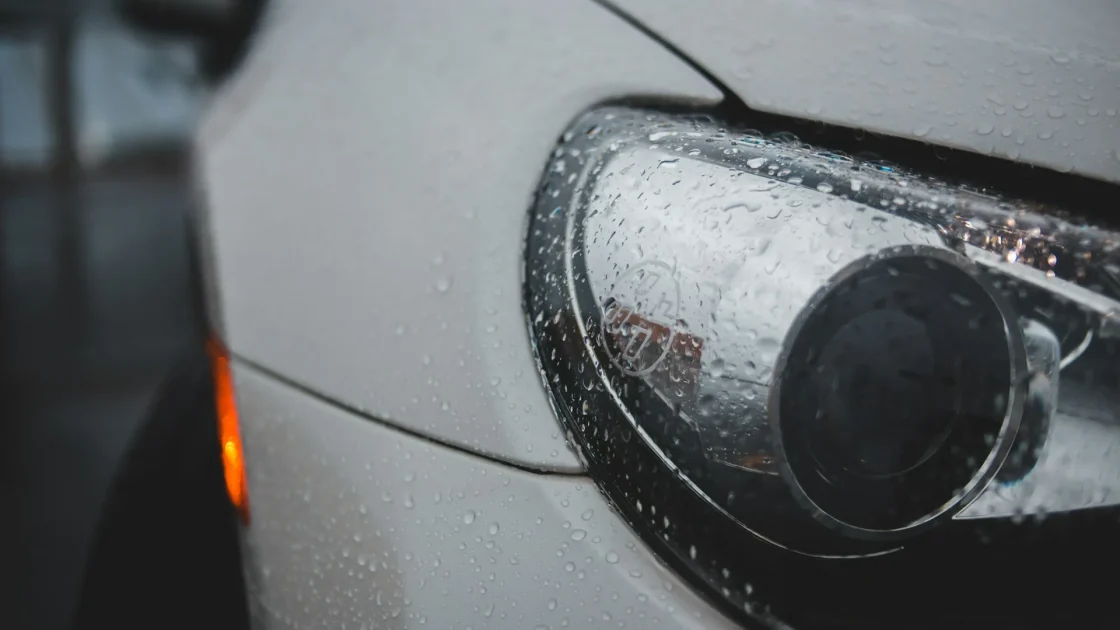
On most modern cars, yes. The forward radar that runs adaptive cruise and automatic emergency braking usually lives behind the front bumper cover or behind the grille emblem, tucked out of sight so it does not spoil the styling. The radio waves pass through the cover to see the road ahead. If you want the full picture of where it hides, I laid it out in the guide to the radar sensor behind the bumper.
Because the signal travels through that cover, the cover is not neutral. The factory bumper was designed and tested with the radar in mind. The plastic blend, the thickness, and the paint were all chosen so the beam passes through cleanly. An aftermarket cover was designed to look like the original and bolt on. Radar transparency is rarely on the maker’s checklist, and on cheap copies it is an afterthought at best.
The short version
Radar sees through the bumper on most cars. The factory cover was tuned for that. A replacement cover may not be, and you often cannot tell by looking.
Which aftermarket bumpers cause the most trouble?
Not all replacement bumpers are equal. Here is how I rank the risk after years of chasing radar faults back to body panels.
Genuine manufacturer parts are the safe bet. An original bumper from the dealer is built to the same spec as the one that came off, so the radar behaves. You pay more, but you are paying for a known quantity.
Certified aftermarket parts, the kind that carry a CAPA certification, are usually fine. They are made to match the original closely, including material and thickness, and they are tested against the real thing.
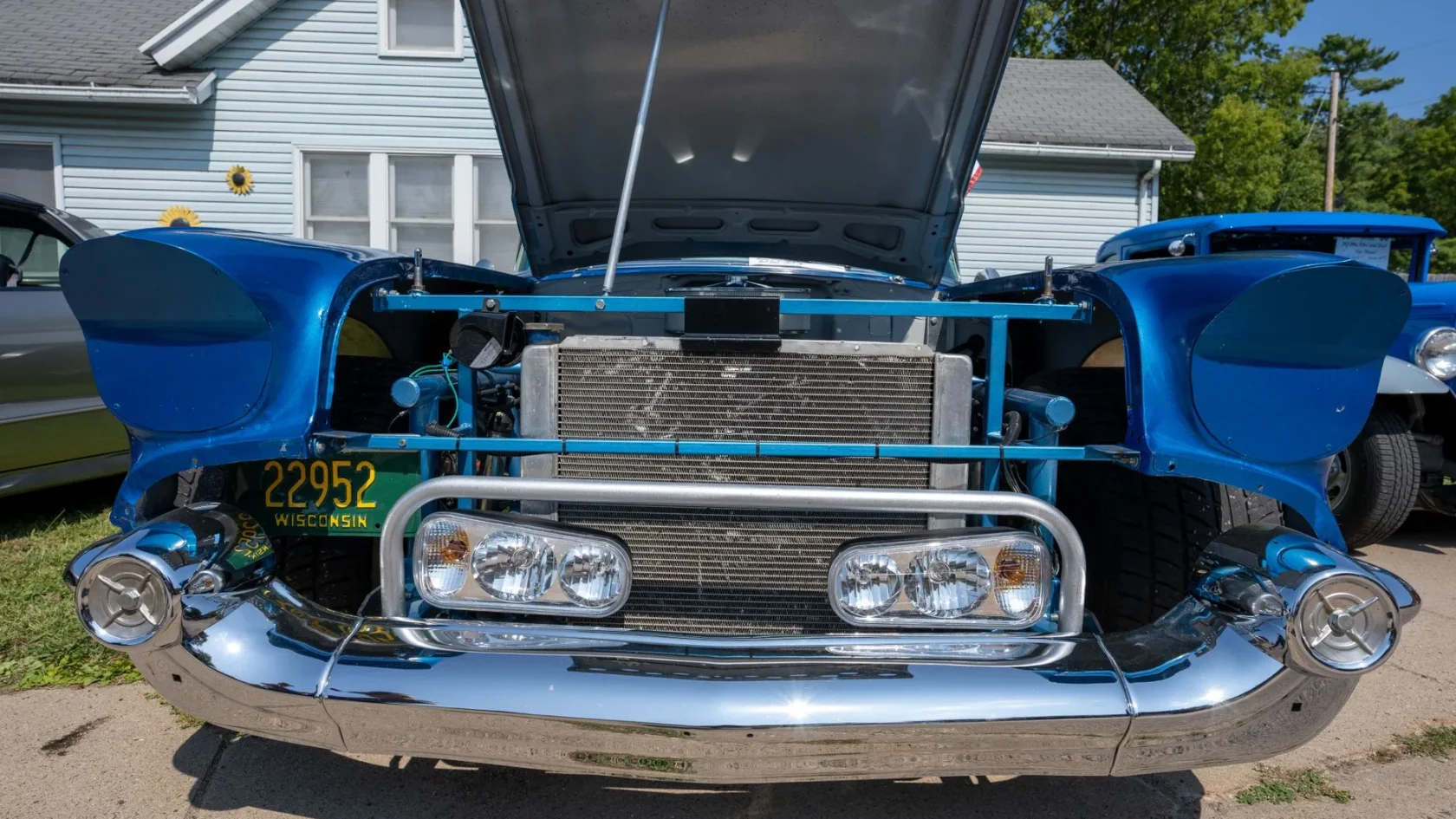
Uncertified economy covers are where I saw the failures. A $50 cover from an unknown supplier might use a denser plastic, an extra layer, or a filler that scatters the radar beam. The car looks perfect and the radar cannot see past its own front bumper.
Watch out
Metallic and pearl paints are radar’s other enemy. The tiny metal flakes in metallic paint reflect and absorb radio waves. A thick metallic respray over any bumper, factory or not, can weaken the signal even when the plastic underneath is fine.
What does it actually feel like when the radar is blocked?
You will not get a dramatic failure. Instead you get the quiet, annoying symptoms of a radar that cannot see clearly. Adaptive cruise refuses to set, or drops out a mile into the highway. You get a message that the front radar is blocked or unavailable, sometimes with a note to clean it even though it is spotless. Automatic emergency braking may switch itself off.
If you are seeing that blocked message after a bumper change, the bumper is my first suspect, and the fix guide for a front radar blocked message walks through how to confirm it. The tell is timing: the system worked before the bumper and stopped after, with no other change. That is not a coincidence.
Radar is not the only sensor a new bumper can disturb. Corner radar units for blind spot monitoring often sit inside the rear bumper, and ultrasonic parking sensors are mounted right in the cover. Swap a bumper and you may be moving several sensors at once. I cover the side units in the piece on corner radar sensors if your blind spot warning went dark at the same time.
Do I need a recalibration after an aftermarket bumper?
Almost always, yes, if the forward radar was removed or disturbed. Taking a bumper off usually means unbolting or unclipping the radar bracket, and any time that sensor moves, its aim can shift. A radar pointed even one or two degrees off will misjudge the distance and closing speed of the car ahead and throw faults or, worse, misfire.
This is the part body shops skip most often, and it is the part that bites owners. A collision shop replaces the bumper, the car looks perfect, and nobody recalibrates the radar. The system works badly for months. If you are having any bumper work done, read the guide to ADAS calibration after a bumper repair before you approve the job, and ask the shop directly whether calibration is included.
- Ask whether the replacement is a genuine, certified, or economy part before it goes on.
- Confirm the radar will be recalibrated after the bumper is fitted, not just bolted back.
- Avoid a thick metallic respray over the radar area if you can.
- Test adaptive cruise and automatic braking on a quiet road within the first drive.
- If a blocked message appears, do not assume it is dirt. A new bumper is the likelier cause.
The Insurance Institute for Highway Safety has published research on how sensitive these systems are to alignment and mounting, which is worth a look if you want the safety case for taking recalibration seriously: IIHS advanced driver assistance.
Can I keep an aftermarket bumper and still have working radar?
Usually, yes, if you choose the part with the radar in mind. Buy a genuine or CAPA-certified cover rather than the cheapest listing. Keep the paint over the radar zone thin and skip heavy metallic layers there. Have the radar recalibrated once the cover is on. Do that and most aftermarket bumpers behave exactly like the original.
Where people get burned is treating the bumper as pure bodywork. It is not, on a car with front radar. It is part of the sensor. To understand why the whole system is so particular about what sits in front of it, the overview of the cameras and radar behind ADAS is the best place to start, and the general guide to what blocks your ADAS camera covers the same logic for the windshield side.
My honest take after all those calibrations: an aftermarket bumper is not automatically a problem, but it is never zero risk either. Spend a little more on a quality cover, insist on the recalibration, and check the systems yourself on the first drive. Do that and you get the look you wanted without quietly disabling the safety features you paid for when you bought the car.
Frequently asked questions
No. A quality genuine or certified replacement cover, fitted and recalibrated correctly, usually leaves the radar working normally. The failures I saw came from cheap uncertified covers made of the wrong plastic, or from shops that never recalibrated the sensor after the swap. Choose the part carefully and the risk drops sharply.
Thick metallic or pearl paint can weaken the radar signal because the metal flakes reflect and absorb radio waves. Standard solid paint at normal thickness is rarely an issue. If you are repainting the bumper over the radar area, keep the coats thin and avoid heavy metallic finishes right in front of the sensor.
Watch for adaptive cruise that will not set, a front radar blocked or unavailable message, or automatic emergency braking switching off, all appearing right after the bumper change. If the system worked before and failed immediately after with no other cause, the bumper is the prime suspect. A scan tool will confirm the stored fault.
Yes, in almost every case where the forward radar was removed or disturbed. Unbolting the bumper typically moves the radar bracket, and even a couple of degrees of misalignment causes faults or misjudged braking. Have the sensor recalibrated with a scan tool and target after the new bumper is fitted.
Keep reading
Related guides
Thermal Cameras in Night Vision Systems
How the thermal camera behind automotive night vision sees warm bodies in the dark, and where its limits are.
Read guide
How Lidar Differs From Radar
Both measure distance by timing a reflection, but one uses radio waves and one uses lasers, and that changes everything.
Read guide
Why a Stone Chip Can Disable Assist
A former calibration tech explains why a tiny stone chip in the wrong spot can shut down your driver-assist features.
Read guide