How Lidar Differs From Radar
Both measure distance by timing a reflection, but one uses radio waves and one uses lasers, and that changes everything.

Key takeaways
- Radar uses radio waves and lidar uses laser light; both time a reflection to measure distance.
- Radar is cheap and works in rain, fog, and dark, but paints a coarse picture of shape.
- Lidar maps fine 3D detail but is expensive and struggles in bad weather.
- Almost every mainstream car uses radar plus a camera; lidar is mostly for self-driving prototypes and luxury flagships.
Ask ten drivers what runs their adaptive cruise control and most will say a camera. A few will say radar. Almost none will mention lidar, and that is fair, because the car you are driving today almost certainly does not have it. Lidar and radar get talked about in the same breath, especially in self-driving headlines, but they are different tools that see the world in different ways.
I spent years working on the radar and camera systems in ordinary cars, and the lidar-versus-radar question comes up more than you would expect from curious owners. So let me lay the two side by side in plain terms: what each one is, how they see, what they are good and bad at, and which one is actually in your driveway. Spoiler: for now, it is radar.
By the end you will know why radar quietly runs your safety features while lidar stars in prototype robotaxis, and why that split exists.
The one-line difference
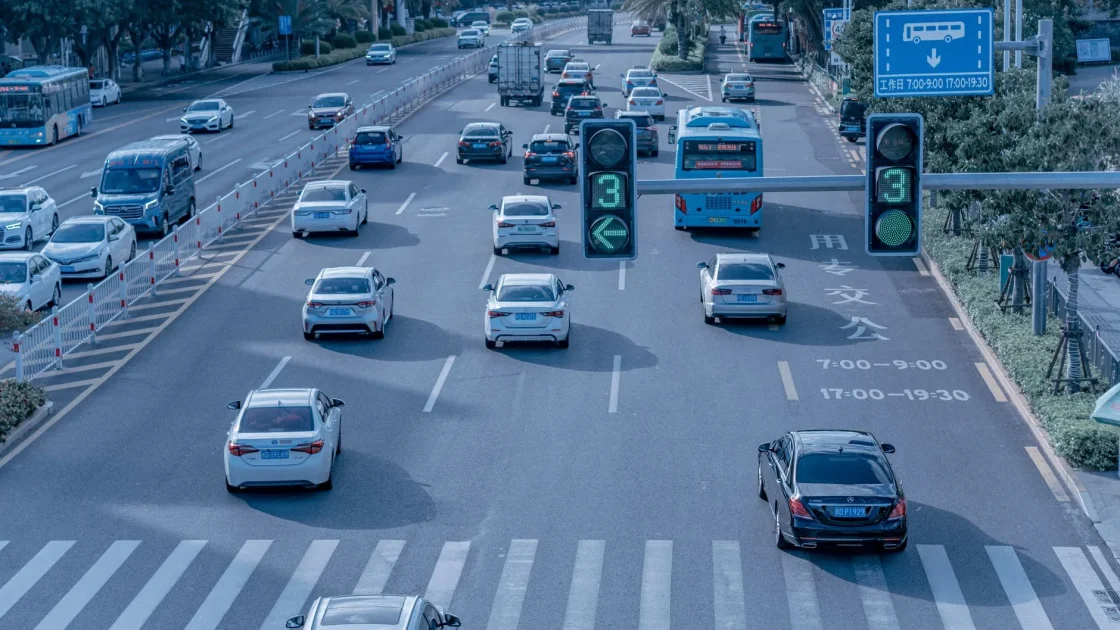
Radar sends out radio waves and listens for the echo. Lidar sends out laser light, thousands of pulses, and times how long each takes to bounce back. Both measure distance by timing a reflection. The difference is what they use to do it: radio waves for radar, light for lidar. That single difference drives everything else about how they behave.
Radio waves are long and forgiving. They punch through rain, fog, and darkness, and they read speed and distance beautifully, but they paint a coarse picture of shape. Laser light is short and precise. It draws a detailed three-dimensional map of everything around the car, down to the shape of a curb, but it is fussier about weather and far more expensive. The explainer on how car radar sensors work covers the radar side in depth if you want the physics.
In one sentence
Radar is a rugged, cheap distance-and-speed sensor that sees in any weather but blurry. Lidar is a precise, pricey shape sensor that maps the world in fine detail but struggles in fog and snow.
Head to head
Here is how the two compare on the things that actually matter for a car. This is the comparison I sketch out for people who want to understand why their car uses one and not the other.
| Trait | Radar | Lidar |
|---|---|---|
| Signal used | Radio waves | Laser light pulses |
| Bad weather | Excellent, sees through rain and fog | Struggles in rain, fog, snow |
| Darkness | Unaffected | Unaffected |
| Detail and shape | Coarse, poor at outlines | Very high, maps fine 3D shape |
| Speed reading | Direct and precise | Indirect, calculated |
| Cost | Low, in most new cars | High, rare on production cars |
| Typical use | Adaptive cruise, collision braking | Self-driving prototypes, some luxury flagships |
Look at that table and it becomes obvious why carmakers reached for radar first. It is cheap, tough, and it works in the exact conditions where you most want a safety net: night, rain, and fog. The guide to how adaptive cruise control works shows radar doing that job, and how automatic emergency braking works shows it triggering the brakes.
Where radar wins
Radar’s superpower is weather and cost. A radar unit behind the bumper sees a car ahead in a blizzard, in fog, at midnight, and it does it for a part cost low enough to put in a base-model economy car. That is why it became the backbone of driver assistance.
It also reads closing speed directly, which is exactly what collision braking and adaptive cruise need to decide whether to slow you. Radar does not care that it cannot tell a motorcycle from a mailbox in fine detail. It knows something solid is fifty feet ahead and closing fast, and that is enough to save you. The rundown on the cameras and radar behind ADAS shows how radar pairs with the camera to cover its blind spots.
Where lidar wins
Lidar’s superpower is detail. By firing thousands of laser pulses and timing each return, it builds a dense three-dimensional map, a point cloud, of everything around the car. It can tell a pedestrian from a lamppost, read the exact edge of a lane, and sense the shape of an obstacle radar would only register as a vague blob.
That precision is why self-driving programs love it. A car trying to drive itself needs to understand its surroundings in fine detail, not just know that something is out there. Lidar gives it that map. The trade-offs are cost and weather: lidar has historically been expensive, and heavy rain, fog, and snow scatter the laser light and cut its range. For how these systems stack up against true autonomy, the guide to whether ADAS is the same as self-driving is worth a read.
The simplest way I explain it: radar tells the car how far and how fast. Lidar tells the car what shape. Your everyday safety features only need the first answer, so that is the sensor you have.
So which one is in your car?
Radar, paired with a camera. That is the setup in the overwhelming majority of cars sold today with adaptive cruise, collision warning, and automatic braking. Radar handles distance and speed, the windshield camera reads lane lines and identifies objects, and software fuses the two. Lidar is not in the picture for almost any mainstream car.
A handful of luxury flagships have begun adding lidar for advanced hands-off driving, and self-driving test fleets rely on it heavily. But if you are driving a normal Toyota, Honda, Mazda, Ford, or VW, your driver-assist systems run on radar and a camera, full stop. To confirm what your own car has, the piece on ADAS features to check on a used car helps you read the spec.
Tip
If a salesperson or a forum post tells you an ordinary new car has lidar, be skeptical. As of now it is a rare, high-end feature. What that car almost certainly has is radar plus a camera, which is plenty for the assist features most people use.
Will lidar ever replace radar in normal cars?
Not replace, more likely join, and slowly. As lidar gets cheaper, more high-end cars will add it to sharpen their sensing, especially for hands-off highway driving. But radar is not going anywhere, because nothing beats it for seeing through weather at a low price. The likely future is cars that carry radar, camera, and lidar together, each covering the others’ weaknesses.
The Insurance Institute for Highway Safety tracks how much today’s radar-and-camera systems already cut crashes, which is a good reminder that the sensor in your car right now is doing real work: IIHS advanced driver assistance.
The takeaway you can actually use
Radar and lidar both measure distance by timing a reflection, but radar uses radio waves and lidar uses laser light, and that changes everything. Radar is cheap, rugged, and weather-proof but blurry. Lidar is precise and detailed but pricey and weather-shy. Your car uses radar and a camera. Self-driving prototypes lean on lidar.
Understanding the split explains a lot. It is why your adaptive cruise still works in a downpour, why nobody is selling you a lidar-equipped economy car yet, and why the headlines about laser-mapping robotaxis have so little to do with the sensor quietly watching the road from behind your bumper. Know which tool you have, and the technology stops being a buzzword and becomes something you can reason about.
Frequently asked questions
Both measure distance by timing a reflection, but radar uses radio waves while lidar uses pulses of laser light. Radar is rugged and sees through weather but paints a coarse picture, while lidar maps fine three-dimensional detail but struggles in rain, fog, and snow and costs far more.
Almost certainly radar, paired with a windshield camera. That is the setup in the overwhelming majority of cars sold today with adaptive cruise, collision warning, and automatic braking. Lidar is rare and mostly limited to self-driving test fleets and a handful of luxury flagships.
Radar is cheap, tough, and works in the exact conditions where you most want a safety net: night, rain, and fog. It also reads closing speed directly, which is what collision braking and adaptive cruise need. Lidar is precise but expensive and weather-shy, so it has stayed in prototypes rather than mainstream cars.
More likely it will join radar than replace it, and slowly. As lidar gets cheaper, more high-end cars will add it for hands-off driving, but radar is unmatched for seeing through weather at low cost. The likely future is cars carrying radar, camera, and lidar together, each covering the others' weaknesses.
Keep reading
Related guides
Ultrasonic Parking Sensors Explained
How the little round sensors in your bumpers judge distance with sound, and why they beep when nothing is there.
Read guide
Sensor Fusion: How ADAS Combines Data
How the software layer behind ADAS combines radar, cameras, and more so no single sensor has to be trusted alone.
Read guide
How Car Radar Sensors Work
A clear, hands-on explanation of the radar units that power adaptive cruise, automatic braking, and blind spot alerts.
Read guide