Buying a Car With ADAS: A Checklist
The exact things I check on the lot before I trust a car's driver-assist tech, in the order I check them.


Key takeaways
- Confirm which ADAS features are actually installed, not just listed on the window sticker.
- Test every system on a real drive: lane keeping, adaptive cruise, and automatic braking cues.
- Ask for calibration and repair records; a repaired bumper or windshield can mean uncalibrated sensors.
- Budget for future calibration costs, which often run $150 to $600 per event.
I spent years calibrating driver-assist systems in a shop, and the cars that came through with problems almost always had a story: a shopper who bought fast, trusted the badge on the trunk, and never checked whether the cameras and radar actually worked. Buying a car with ADAS is not like buying a car with heated seats. These systems can be present but broken, present but turned off, or present but never recalibrated after a fender bender.
So I made myself a routine. Same order, same checks, every single time I look at a car for a friend or family member. It takes about 30 minutes on the lot and it has saved people real money.
Here is the checklist I actually use, written the way I would explain it to you standing in the parking lot.
Start With What Is Really Installed
The first mistake I see is trusting the brochure. A trim level might offer blind spot monitoring, but that does not mean this specific car has it. Options got skipped, packages got dropped, and salespeople repeat features they have not verified.
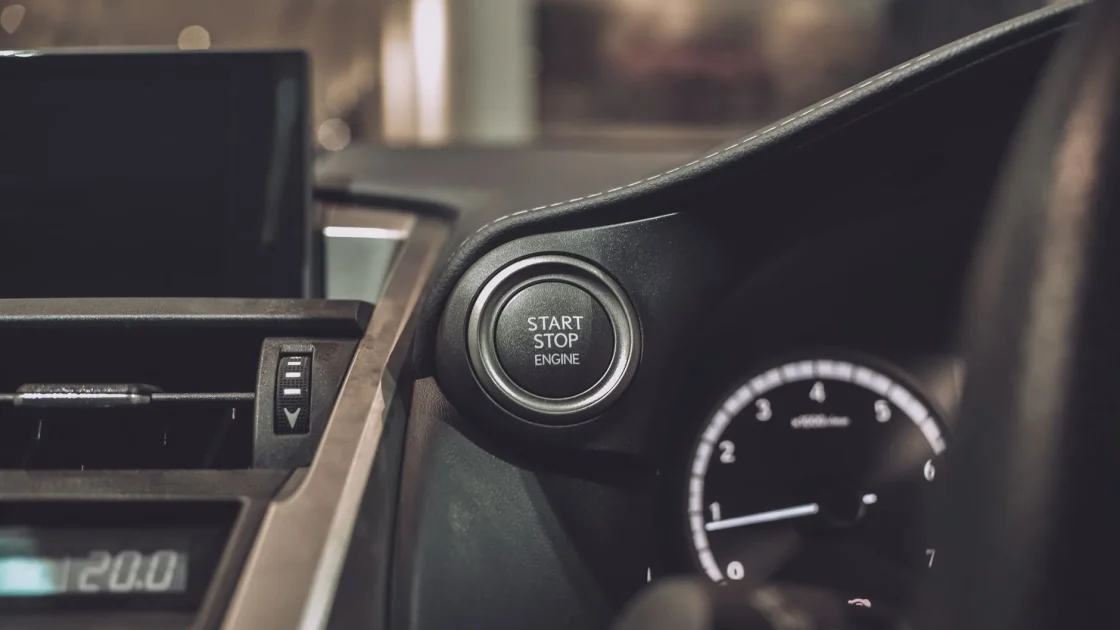
Sit in the driver seat and look for the physical evidence. Blind spot monitors usually put a small light in or near each side mirror. Adaptive cruise adds extra buttons on the steering wheel, often a car icon with distance bars. A forward camera lives up behind the rearview mirror, and you can see it through the windshield.
If you are not sure what a symbol means, our plain-English glossary of ADAS terms is worth a quick read before you go, so the abbreviations on the dash stop looking like alphabet soup. It also helps to know which model years typically got these systems, because a 2015 economy trim and a 2021 loaded trim are very different animals.
- Steering wheel has adaptive cruise buttons (car icon with distance bars)
- Side mirrors show blind spot indicator lights
- Forward camera visible behind the rearview mirror
- Parking sensors visible in the front and rear bumpers
- Dash menu lists the safety systems under settings
Read the Window Sticker and the VIN
If the original window sticker is gone, the VIN can rebuild it. Many manufacturers offer a free build-sheet lookup on their owner site, and it will list the exact options the car left the factory with. That is the ground truth, better than any verbal promise.
The federal safety regulator keeps useful public data too. You can check open recalls by VIN at NHTSA’s recall lookup, and driver-assist components do get recalled. I have seen radar modules and braking software both land on recall lists.
Tip
Take a photo of the VIN and run the build sheet on your phone while you are still on the lot. If the salesperson claims a feature the build sheet does not show, you have just found your first negotiating point.
Drive It and Make Every System Work
A static inspection tells you what is bolted on. Only a drive tells you what is functioning. Plan a route with a stretch of open road, a lane with clear markings, and a low-speed section for parking sensors.
Turn on adaptive cruise and let the car follow traffic. It should slow smoothly and resume without lurching. Switch on lane keeping and feel for gentle steering nudges when you drift toward a line. If nothing happens, the system may be off, faulty, or uncalibrated. You do not have to diagnose it on the spot, but you do need to notice it.
Watch the dash the whole time. A car that flashes a driver-assist fault on a test drive is telling you something important. If you want to understand what those messages mean before you go, our guide to what ADAS warning lights actually mean breaks them down by symbol.
Watch out
If the seller says a light is “just a glitch” or “comes on in the cold,” treat it as a real fault until proven otherwise. Intermittent ADAS warnings are often a sign of a sensor that was never recalibrated after a repair.
Ask About Body Work and Calibration History
This is the check almost nobody does, and it is the one that costs the most. Any front-end collision, windshield replacement, or bumper repair can knock a camera or radar out of alignment. If the car was fixed and never recalibrated, the systems may look fine and act wrong.
Ask two direct questions. Has the windshield been replaced? Has the front or rear bumper been repaired or repainted? A replaced windshield in particular is a red flag, because a new one almost always requires camera recalibration. Our explainer on why a windshield swap needs recalibration covers exactly why.
| Event | Recalibration usually needed? | Rough cost |
|---|---|---|
| Windshield replacement | Yes, front camera | $150 to $400 |
| Front bumper repair | Often, front radar | $200 to $500 |
| Wheel alignment | Sometimes | $100 to $300 |
| Suspension work | Sometimes | $150 to $400 |
If the car has a repair history and no calibration paperwork, factor a calibration into your offer. A Honda I looked at for a coworker had a beautiful repainted bumper and a radar that was aimed slightly high; the automatic braking fired late in testing. We used it to negotiate the price down by more than the calibration cost.
Check the Sensors With Your Own Eyes
Walk around the car. Look at the front grille, the lower bumper, and the badge area, since radar often hides behind an emblem or a plastic panel. Cracks, heavy touch-up paint, or a badge that sits crooked can all mean a sensor was disturbed.
Look at the windshield glass in front of the camera. Chips, aftermarket tint strips, or a cheap replacement windshield can all degrade the camera’s view. A dirty or blocked camera will throw faults, and our guide on what blocks your ADAS camera explains how sensitive that little lens really is.
Note
Parking sensors that beep for no reason, or stay silent when they should not, are cheap to spot and annoying to live with. Test them in a quiet corner of the lot before you fall in love with the car.
Think About the Ongoing Costs
ADAS is not free to own. Calibration events add up over the life of the car, and they tend to come at the worst time, right after you have already paid for a windshield or a repair. Ask yourself whether you are comfortable with that. For many buyers the safety benefit is worth it, and you can weigh that tradeoff in our piece on whether driver-assist systems are worth it.
Insurance is the other side of the ledger. Some carriers offer small discounts for certain safety features, though the savings are usually modest. If that matters to your budget, our overview of whether driver-assist features lower insurance sets realistic expectations.
Before You Sign
Run through the list one last time in your head. You know what is installed, you have driven every system, you have asked about body work, and you have priced in future calibration. That is the whole job. None of it is hard; it just requires slowing down for half an hour when a salesperson wants you to move fast.
The buyers who get burned are the ones who assumed the tech worked because the car looked clean. The ones who stay happy are the ones who made the systems prove themselves in the parking lot. Be the second kind.
Frequently asked questions
Look at the steering wheel for a button showing a car icon with distance bars, which is the giveaway. Then confirm it on a test drive by setting cruise and letting the car approach slower traffic. If it slows and resumes on its own, it is real adaptive cruise, not standard cruise control.
Yes, in most cars with a forward camera. That camera sits against the glass, and swapping the windshield changes its position enough to require recalibration. If the seller replaced the glass but has no calibration record, budget $150 to $400 to have it done.
It depends on how you drive and your budget for upkeep. Features like automatic emergency braking have a strong safety record, but every system adds potential calibration costs later. Decide which features you will actually use before paying a premium for a long options list.
Asking about body work and calibration history. A car can pass a static inspection and still have a misaimed radar or camera from an unrepaired-then-repainted bumper. That check protects you from the most expensive and most hidden ADAS problem.
Keep reading
Related guides

How ADAS Affects Car Resale Value
Driver-assist tech can help or hurt what your car is worth later, and the difference often comes down to paperwork.
Read guide
Common Driver-Assist Mistakes to Avoid
Small misunderstandings about how driver-assist features work lead to the same avoidable mistakes over and over, and every one of them is easy to fix.
Read guide
Teaching a Teen Driver About ADAS
Driver-assist tech can make a new driver safer or lazier, and the difference is entirely in how you teach it.
Read guide