ADAS Calibration for Lifted Trucks
What a suspension lift does to your truck's cameras and radar, and how to keep the safety systems honest.

Key takeaways
- A lift changes the height and angle of every ADAS sensor, so the factory calibration no longer matches the truck.
- Even a small leveling kit can tilt the forward radar and camera enough to misjudge distance and lane position.
- Recalibration after a lift is possible, but it may not fully restore accuracy if the change exceeds the system's range.
- Bigger tires compound the problem by altering ride height and the speed the system thinks you are traveling.
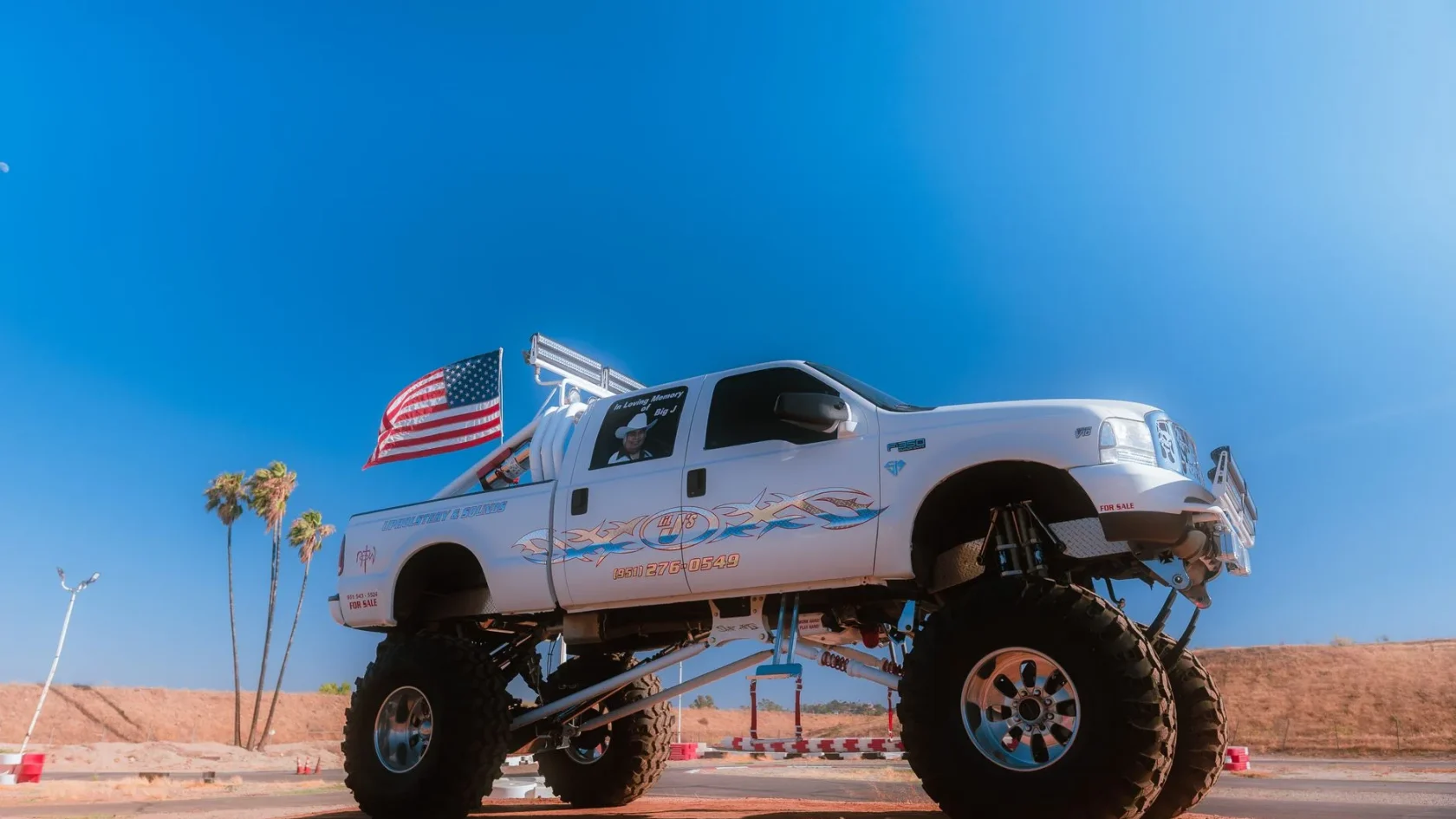
Trucks get lifted for good reasons. More ground clearance, room for bigger tires, a stance the owner actually wanted. What rarely comes up at the lift shop is what all that new height does to the driver-assist sensors bolted to the truck. I calibrated plenty of trucks that came in with a fresh lift and a dashboard full of warnings, and the owners were always surprised that raising the suspension had anything to do with the camera behind the mirror.
It has everything to do with it. ADAS sensors are aimed at very specific angles relative to the road, and those angles are set at the factory for the truck’s original ride height. Change the height, and you change the aim of every sensor at once. The systems do not know you lifted the truck. They just start reading the world from the wrong vantage point.
Here is what actually happens to your sensors when a truck goes up, why a simple recalibration is not always a clean fix, and how to keep the safety systems working the way they should.
Why height is the whole story for a sensor
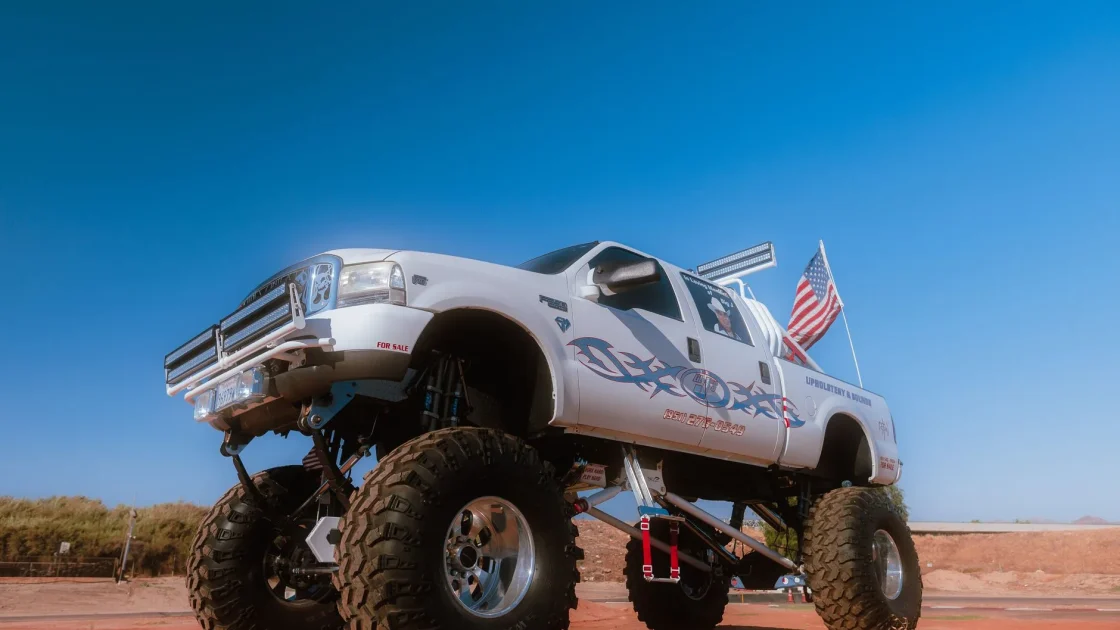
Every camera and radar on your truck was aimed with the vehicle sitting at its factory ride height. The forward radar points slightly down the road at a calculated angle. The windshield camera looks forward and down at the pavement to find lane lines. Those angles are the reference the entire system trusts.
Raise the truck three inches and you have tilted that reference. The radar that used to sweep a patch of road at a certain distance now points a little higher, reaching farther out or catching overhead objects it should ignore. The camera that framed the lane at a known angle now sees it from a raised, tilted position, and its math for where the lane sits no longer matches reality.
This is the same principle behind why calibration after new tires or suspension is necessary at all, just taken to an extreme. A lift is one of the largest ride-height changes you can make to a vehicle, so it is one of the largest disturbances you can hand to an ADAS system. The closely related concept of ride height and ADAS calibration explains why even small changes matter.
Note
The sensors have no idea the suspension changed. They keep aiming at the same angle relative to the truck’s body, which now points somewhere different relative to the road. That mismatch is what triggers the warnings and the misbehavior.
Even a leveling kit counts
People assume this only applies to big lifts, but that is not how the sensors see it. A modest leveling kit, the kind that raises the front an inch or two to match the rear, still tilts the forward-facing sensors. An inch of change at the front bumper translates into a meaningful angular shift for a radar aimed down the road.
That is why a truck with nothing more than a leveling kit can start throwing forward collision or adaptive cruise warnings. The change looks small in the driveway, but to a radar measuring angles to the tenth of a degree, it is significant. The rundown of signs your ADAS needs recalibration covers the symptoms that show up, from phantom braking to lane systems that wander.
So do not assume you are safe just because you went with a mild lift. If the truck sits differently than it did from the factory, the sensors are aimed differently than they were calibrated for.
What the misalignment feels like from the driver’s seat
The symptoms are worth knowing because they can be unnerving if you do not connect them to the lift. A forward radar aimed too high may lose the car ahead sooner than it should, so adaptive cruise gives up or fails to slow in time. A radar catching more of the horizon can also read an overpass or a sign as an obstacle and trigger a phantom braking event.
The camera side brings its own issues. A lane keeping system working from a tilted, raised viewpoint may place the lane lines wrong and steer toward the edge, or simply refuse to engage because the picture no longer makes sense. The overview of how automatic emergency braking works shows why an accurately aimed forward sensor is the foundation of that whole feature, and why a tilt undermines it.
Watch out
A lifted truck with uncalibrated sensors can brake at phantoms or fail to react to a real vehicle ahead. Do not lean on adaptive cruise or automatic braking until the systems have been recalibrated to the new ride height, and be aware they may never be as accurate as they were stock.
Can you recalibrate a lifted truck at all
This is the part owners most want to hear, and the answer is a qualified yes. A shop can attempt to recalibrate the sensors to the truck’s new stance, and in many cases the routine will complete and restore reasonable function. The complete guide to ADAS calibration covers what that process involves.
The qualifier matters, though. Calibration routines have a built-in range of adjustment, an amount of aim correction they are allowed to make. A modest lift or leveling kit usually falls inside that range, and the calibration succeeds. A large lift can push the sensor angle beyond what the software is permitted to correct, and then the routine either fails outright or refuses to certify the result. When a calibration will not complete for this reason, the troubleshooting in why calibration fails and what to do applies directly.
In the extreme cases, the practical answer is that the factory ADAS accuracy simply cannot be fully recovered at that height. Some owners in that situation choose to keep the features but understand their limits, and some accept that certain systems will remain disabled.
Bigger tires make it worse
Lifts and oversized tires usually arrive together, and the tires add a second problem on top of the angle change. Larger-diameter tires raise the truck further and, just as importantly, change the distance the truck travels per wheel revolution. The system that thinks it knows your speed from wheel data is now wrong, which affects how the radar interprets closing distances.
If you fit larger tires, the tire size has to be corrected in the system, a step covered in resetting the tire size for ADAS accuracy. Skipping that leaves the truck miscalculating speed and distance even after a suspension calibration.
For a broader safety perspective on why these systems depend on accurate sensor aim, the National Highway Traffic Safety Administration keeps a plain overview worth reading before you modify a vehicle that has them: NHTSA driver assistance technologies.
My advice to anyone lifting a truck with ADAS is to plan for the calibration as part of the build, not as an afterthought when the warnings appear. Tell the calibration shop exactly how much lift and what tire size you ran, keep the changes modest if you want the systems to stay reliable, and go in understanding that a big lift may cost you some of that factory accuracy for good. The truck can look the way you want and keep its safety net, but only if you treat the sensors as part of the project.
Frequently asked questions
Yes, significantly. A lift raises the truck and tilts every camera and radar, so the aim no longer matches the factory calibration those sensors were set to. The forward radar and windshield camera point at different angles relative to the road, which makes them misjudge distance and lane position. Recalibration to the new ride height is needed, and even a leveling kit is enough to matter.
Often yes, within limits. A shop can attempt to recalibrate the sensors to the new stance, and a modest lift or leveling kit usually falls inside the software's allowed range of correction, so the routine completes. A large lift can push the sensor angle beyond that range, in which case the calibration may fail and factory accuracy cannot be fully restored.
They add a second problem. Larger tires raise the truck further and change the distance traveled per wheel revolution, so the system miscalculates your speed and how fast you are closing on the car ahead. Beyond recalibrating for the lift, the tire size has to be corrected in the system, or the truck keeps reading speed and distance wrong.
Not until the sensors have been recalibrated to the new ride height, and even then with awareness of the limits. An uncalibrated lifted truck can brake at phantom objects like overpasses or fail to slow for a real vehicle ahead. Have the systems recalibrated after any lift, and understand that a large lift may leave them less accurate than they were stock.
Keep reading
Related guides
Can You Calibrate ADAS at Home?
The honest answer on home ADAS calibration, from someone who did it professionally for years.
Read guide
Calibration After Windshield Chip Repair
Whether a resin chip repair touches your forward camera, and when calibration is actually required.
Read guide
Mobile ADAS Calibration: Is It Reliable?
When a technician in your driveway is every bit as accurate as a shop, and when the physics say otherwise.
Read guide