ADAS and Motorcycles: What to Know
Driver-assist tech is arriving on two wheels, but it works differently and carries different risks than it does in a car.

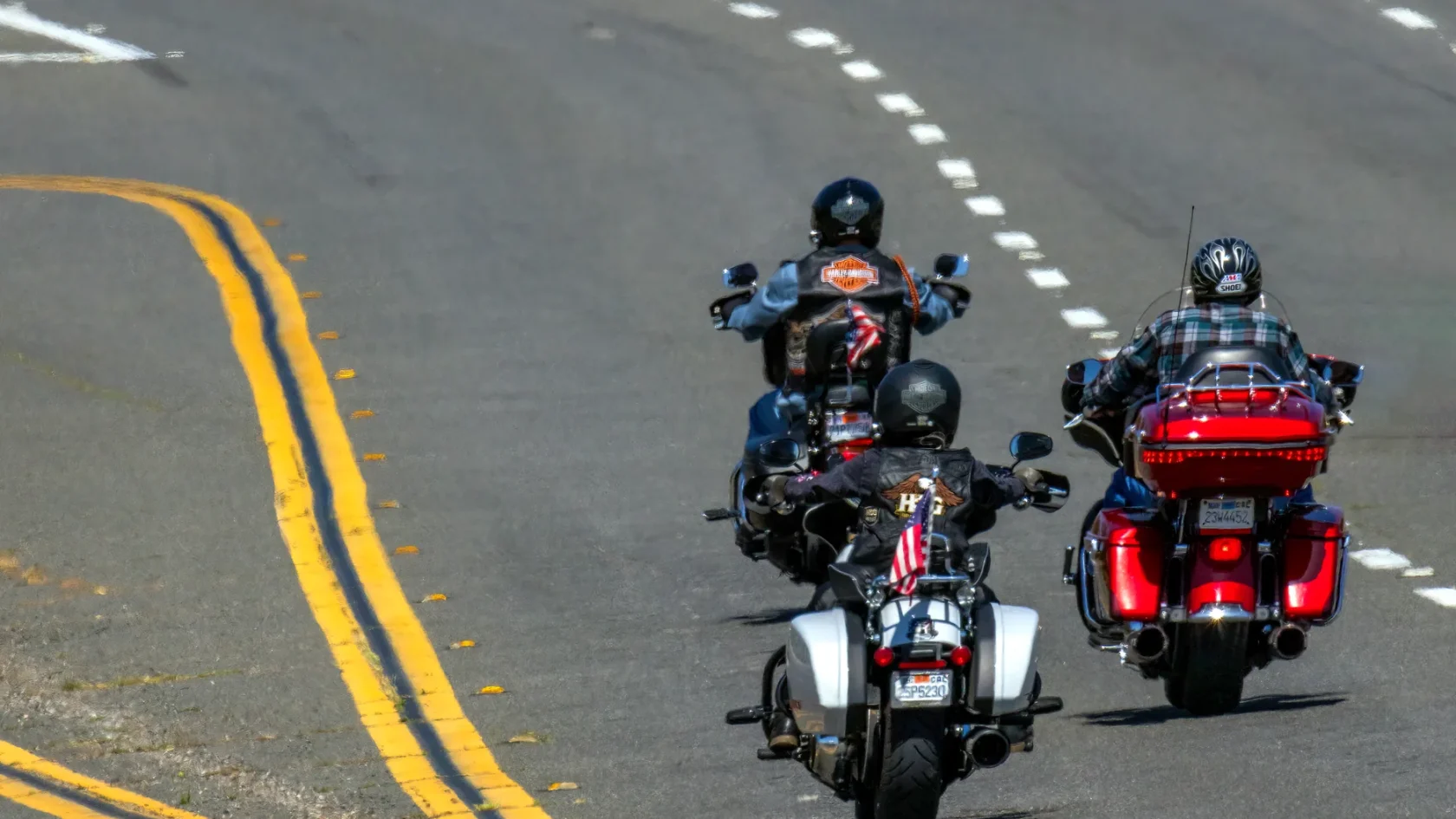
Key takeaways
- Motorcycle ADAS is real and growing, led by radar cruise and blind spot detection.
- Two wheels change everything: braking, lean angles, and rider input all complicate the tech.
- Most bike systems warn or assist gently rather than take control, by design.
- These features reduce some risks but never replace core riding skill and gear.
Most people think driver-assist tech stops at cars, but it has been quietly climbing onto motorcycles for a few years now. I get asked about it constantly, usually by riders who saw radar cruise control advertised on a new bike and want to know whether it works the way it does in a car. The short version: it is real, it is useful, and it behaves very differently on two wheels.
A motorcycle cannot borrow a car’s playbook. There is no lane to gently steer within when the whole machine leans to turn. There is no forgiving four-wheel stance when automatic braking kicks in. So the engineers had to rethink what assistance even means for a rider.
Let me lay out what actually exists, how it differs from the car systems you may already know, and where a rider should keep their expectations grounded.
What Rider-Assist Systems Actually Exist
The most common motorcycle ADAS today is radar-based. Adaptive cruise control, using a small forward radar, can maintain a set gap to the vehicle ahead on the highway. Blind spot detection, using rear-facing radar, warns of a vehicle lurking beside you. Some bikes add forward collision warning that alerts the rider to close a gap.
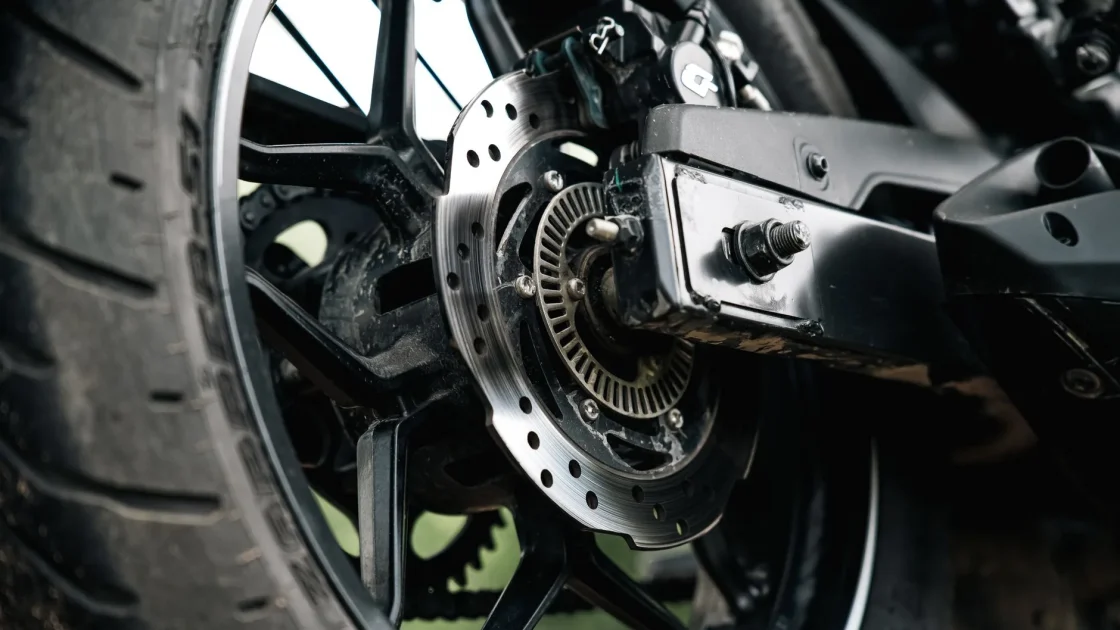
The hardware is familiar if you know cars. It is the same radar concept, just packaged for a bike. If you want a refresher on the underlying tech, our explainer on how car radar sensors work applies directly, and our overview of the cameras and radar behind ADAS covers the components a motorcycle borrows.
What you rarely see on a bike is aggressive intervention. There is generally no system yanking the handlebars to keep you in a lane, for obvious reasons. Two wheels and a lean angle make that both dangerous and pointless.
Note
Motorcycle blind spot detection is arguably more valuable than the car version. Riders are harder for other drivers to see, so a rear radar that flags a closing vehicle addresses one of riding’s most common danger scenarios.
Why Two Wheels Change the Rules
A car is a stable box. A motorcycle is a balancing act that turns by leaning, and that single fact reshapes every assist system. Automatic braking that would be routine in a car could unsettle a bike mid-corner or lock a wheel if applied carelessly. So bike systems tread lightly on purpose.
Rider input also matters far more. On a motorcycle, the human is part of the balance equation in a way a car driver is not. The tech has to assist without disrupting that delicate loop. This is why most motorcycle ADAS chooses to warn rather than to act, leaving the actual control with the rider.
Watch out
Do not assume a bike’s adaptive cruise will brake as hard or as early as a car’s. On two wheels, the system is deliberately gentler to keep you stable, which means you must stay ready to brake yourself, sooner than you might expect.
How It Compares to Car Systems
Riders coming from cars often expect the same behavior. It helps to see the differences laid out plainly.
| Feature | In a car | On a motorcycle |
|---|---|---|
| Adaptive cruise | Can brake firmly to a stop | Gentler braking, rider stays alert |
| Blind spot alert | Helpful convenience | Often a critical safety gain |
| Lane keeping steering | Common | Rare to nonexistent |
| Automatic emergency braking | Standard on many models | Limited and cautious where offered |
The pattern is clear. Car ADAS is comfortable taking control because the vehicle is stable. Motorcycle ADAS mostly informs, because a bike is not. If you want the baseline on how these systems are meant to behave, our guide on how modern driver-assist systems work gives the car version as a reference point.
What These Systems Will and Will Not Do
Set expectations honestly and the tech is a genuine benefit. A radar-based blind spot warning can catch the car you did not see. Adaptive cruise takes some fatigue out of a long highway slog. Forward collision alerts give you an extra beat to react.
What they will not do is ride for you. None of this substitutes for the fundamentals: smooth throttle and brake, good lane positioning, constant scanning, and proper gear. The same truth we tell car drivers applies double here, and our piece on whether ADAS is the same as self-driving is worth internalizing before you trust any of it.
Sensor limits carry over too. Rain, road grime, and mud can blind a bike’s radar just as they do a car’s. Our explainer on why rain disables driver-assist sensors is directly relevant, since a motorcycle’s sensors live low and exposed to exactly that kind of muck.
Tip
Keep the radar area on your bike clean and free of stickers, mud, or aftermarket accessories that block its view. A covered sensor will simply stop working, often without a clear warning to the rider.
Should Riders Care About This Yet?
If you are shopping for a new touring or sport-touring bike, these features are worth understanding, because they are becoming common in that segment. Blind spot detection alone can be a strong reason to consider a model, given how often riders get squeezed by drivers who never saw them.
For riders on older bikes, the practical answer is that adding this tech is rarely feasible, much like it is on older cars. Our piece on whether you can add ADAS to an older car explains the general limits, and they apply to motorcycles even more strictly given the packaging challenges.
For a wider safety view, groups that test vehicles are beginning to study motorcycle tech, and general rider-safety guidance from NHTSA’s motorcycle safety pages remains the sensible foundation no matter what your bike can do.
Where This Leaves Riders
Motorcycle ADAS is a real and welcome development, especially the radar-based warnings that address a rider’s genuine blind spots. Treat it as an extra set of eyes, not a co-pilot. Understand that a bike’s systems are gentler and more advisory than a car’s by necessity, and keep your own skills sharp underneath all of it.
The riders who benefit most are the ones who know exactly what the tech does and where it stops. On two wheels, that awareness has always been the difference, and no radar changes that.
Frequently asked questions
Yes, mainly on newer touring and sport-touring models. The most common features are radar-based adaptive cruise control and blind spot detection, with some bikes adding forward collision warning. Aggressive systems like lane-keeping steering are rare on two wheels for safety reasons.
No, and that is by design. On a bike, the system brakes more gently to avoid unsettling the machine or locking a wheel, so it will not stop as firmly as a car's. Riders need to stay ready to brake themselves, often sooner than they would expect from a car.
For many riders, blind spot detection is the standout. Motorcyclists are hard for other drivers to see, so a rear radar that flags a closing vehicle addresses one of riding's most common dangers. It often adds more real-world safety than the flashier features.
In almost all cases, no. Like older cars, older bikes lack the wiring, mounting points, and integrated software these systems need, and the packaging challenge is even harder on a motorcycle. The practical path is to buy a bike that came with the features from the factory.
Keep reading
Related guides
ADAS Explained: A Beginner’s Guide
A beginner's master guide to advanced driver-assistance systems, written by a former calibration tech.
Read guide
How Reliable Is Automatic Braking?
What automatic emergency braking really catches, where it misses, and how to keep it trustworthy.
Read guide
ADAS Levels 0 to 5, Explained Simply
The six levels of driving automation, decoded in plain English with a table, by a former calibration tech.
Read guide